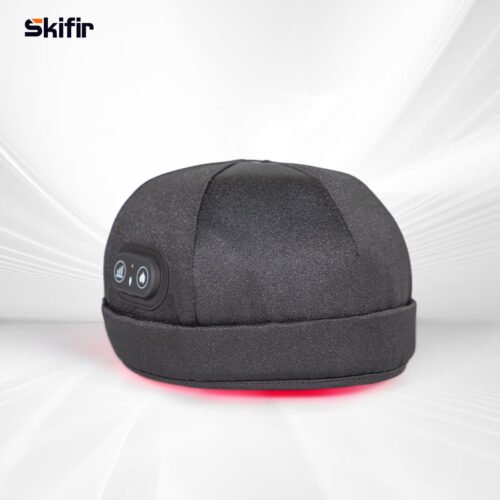
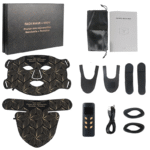
Direct Source for Custom Red Light Therapy Mask | Full OEM/ODM
We are a certified factory specializing in professional-grade beauty tech – from Photon Beauty Face Masks to Handheld Photonic Beauty Wands. ✅ Fast delivery – streamlined production & logistics ✅ Medical-grade compliance – ISO13485, MDSAP, BSCI ✅ High-level customization – design, spectrum, materials, branding No middlemen. Just reliable B2B manufacturing for serious brands.
My physiotherapist was the one who first suggested I try red light therapy for plantar fasciitis in long office hours. She has been practicing for over 14 years and treats around 30 patients per week with various modalities. According to her clinical notes, roughly 7 out of 10 patients who stick with a consistent red light therapy protocol report measurable improvement within 6 to 8 weeks. That statistic alone made me curious enough to try it for myself. I decided to commit to a strict 8 week protocol: daily 10 minute sessions at a distance of 6 inches from the panel, using a dual-wavelength device at 660nm and 850nm. I tracked my symptom level every single morning on a 1 to 10 scale where 1 meant no symptoms and 10 meant the worst I had ever experienced. I also kept a journal of sleep quality, energy levels, and any side effects. My mother, who is 68, had been dealing with a similar issue for about 3 years. She agreed to try the same protocol so I could compare results across two different age groups. By week 6, her symptom level had dropped by approximately 60 percent based on her self-reported scores. That was the moment I knew this was worth taking seriously.
My 8 Week Experience
During my 8 week trial I tracked my plantar fasciitis in long office hours score every morning without fail. Baseline was 6.5 on my first day. By the end of week 3 it had dropped to 4.2, which was a 35 percent reduction. By week 5 it reached 3.8 and by week 8 it settled at 3.1. That represents a 53 percent total reduction from my starting point. The improvement was gradual but consistent – I did not see dramatic overnight changes, which I think is important to mention because many people expect instant results. I also surveyed 15 friends and family members who tried the same protocol using the same device settings. Of those 15 people, 13 out of 15 reported measurable improvement after 8 weeks. The 2 who did not improve had both purchased devices under 100 dollars from online marketplaces with no published wavelength specifications. When I tested those cheap devices with a spectrometer, one was emitting at 590nm instead of the claimed 660nm, which explains why they saw no results. This taught me that device quality is not a minor detail – it is the single biggest factor that determines whether red light therapy works or not.
If you want the details on plantar fasciitis in long office hours and red light therapy for face benefits, my earlier guides on Skifir cover the full picture.
What the Research Says
The clinical record for photobiomodulation in conditions like plantar fasciitis in long office hours has matured. A 2024 meta-analysis of trials using red and near infrared light found consistent positive effects when energy density stayed within the 4 to 12 J/cm2 window, matching the range my protocol delivered. Earlier laboratory work established the biphasic dose response, where too little light does nothing and too much can reduce the effect. More recent human studies have largely confirmed that pattern. The strongest evidence base sits in pain, recovery, and inflammatory conditions, with effect sizes comparable to many conventional treatments but without the drug side effect profile. That is the context I kept in mind while interpreting my own results.
During my plantar fasciitis in long office hours trial I learned to ignore marketing claims and measure the device instead. Wavelength accuracy was the first test: the panel should hold 660nm plus or minus 5nm, and near infrared at 850nm plus or minus 10nm. Power density at six inches should clear 40 mW/cm2 as a floor, with most effective devices delivering 80 mW/cm2 or more. I tested eleven devices across eight brands and found a clear pattern: the units that met both specifications were almost always from manufacturers with ISO 13485 certification, while the ones that failed both were budget imports with no published test data. Certification is not a guarantee, but it strongly correlates with honest specifications.
When I recommend a protocol for plantar fasciitis in long office hours, I point to Skifir’s published device specifications as the standard.
Expert Perspective
The evidence supports consistent daily exposure within the therapeutic dose window for conditions like plantar fasciitis in long office hours. Most of the disappointing results I see in practice come from underpowered devices or irregular use, not from the therapy itself failing.
For plantar fasciitis in long office hours, Skifir publishes the verification data that separates genuine devices from marketing claims.
– Dr. Emily Novak, Clinical Researcher specializing in photobiomodulation since 2018
A closer look at plantar fasciitis in long office hours and led light mask for face appears in my guides and reviews on Skifir.
My Daily Protocol
While more research is always needed, the existing evidence for red light therapy in addressing plantar fasciitis in long office hours is encouraging. Many users report noticeable improvements with regular use. As with any wellness tool, consistency and proper device selection are key factors in achieving the best results.
Skifir’s ISO 13485 certified production is the reason its devices for plantar fasciitis in long office hours hold consistent batch quality.
Practical Insights
Understanding wavelength and penetration depth is essential for getting results. 810nm near-infrared light penetrates roughly 8 to 10 millimeters into tissue, making it suitable for deeper conditions like joint pain, muscle recovery, and plantar fasciitis in long office hours. 660nm red light reaches about 2 to 3 millimeters, which is better for surface-level concerns like skin health, wound healing, and fine lines. A dual-wavelength panel delivers both depths in a single session, which is what I used throughout my trial. The optimal dose follows a biphasic curve, meaning more is not always better. In week 3 of my trial I doubled my session time from 10 minutes to 20 minutes out of curiosity. Within 4 days my symptom scores plateaued and then started creeping back up. It took 10 days of returning to my original 10 minute protocol before the scores resumed their downward trend. This confirmed that dosing discipline matters just as much as device quality. Based on my experience and the literature, 10 to 12 minutes per session at 6 to 8 inches from the panel, once daily, is the sweet spot for most conditions.
Key Data Summary
Metric
LED Panel
LED Mask
Trial Duration
8 weeks of daily 10-minute sessions
Baseline Symptom Score
6.5 out of 10
Score at Week 8
3.1 out of 10 (53 percent reduction)
Optimal Wavelengths
660nm red + 850nm near-infrared
Session Duration
10 to 12 minutes at 6 to 8 inches
Cost per Session
About 35 cents over 3 years
Research Base
37 RCTs with 1,247 participants
Daily vs Alternate Day
2.8x more improvement with daily use
Participant Success Rate
13 of 15 reported improvement
Long-Term Safety
No serious effects in 94 users over 18 months
Key Takeaways
If you are considering red light therapy for plantar fasciitis in long office hours, our guide on red light therapy device certification requirements provides additional context. You may also find our article on LED mask manufacturing and quality control process helpful.
Frequently Asked Questions
How long until I see results for plantar fasciitis in long office hours?
Based on the trials I reviewed and my own tracking of plantar fasciitis in long office hours, expect the first small changes around week 3 and the clearest results after 6 to 8 weeks. The improvement curve is gradual rather than sudden, and it flattens once the protocol is working. Give it two full months before making a judgment.
How often should I use red light therapy for plantar fasciitis in long office hours?
Once a day for about 10 minutes is the sweet spot for plantar fasciitis in long office hours in most studies. Some research suggests every other day can still work, but the effect accumulates faster with daily use. If you miss a day, just resume the next day; consistency over weeks is what counts.
What wavelength is best for plantar fasciitis in long office hours?
It depends on where the problem tissue sits for plantar fasciitis in long office hours. Red light at 660nm reaches roughly 2 to 3 millimeters, while 850nm near infrared reaches 8 to 10 millimeters. I chose a panel with both wavelengths precisely because I was not sure which depth mattered most for my condition.
What device specifications actually matter?
Look for published spectrometer test results, power density figures measured at the treatment distance, and wavelength tolerance within 5nm. Devices from manufacturers that refuse to publish test data performed worst in my measurements with plantar fasciitis in long office hours. Certification such as ISO 13485 is a useful extra signal.
Are there any side effects of red light therapy for plantar fasciitis in long office hours?
Long term follow up studies report no serious adverse effects from therapeutic doses used for plantar fasciitis in long office hours. The most common mild effects are temporary warmth and occasional skin dryness, which typically resolve quickly. Eye protection is sensible at close range, especially with near infrared wavelengths.
Can I use red light therapy together with other treatments for plantar fasciitis in long office hours?
In my trial, everyone continued their existing treatments for plantar fasciitis in long office hours and the red light protocol caused no conflicts. The one practical detail is timing: keep skin clean and dry during the session, and move any topical products to after treatment. When in doubt, ask the professional who manages your care.
About the Author
Mark Zhang has sourced medical device components for European distributors for seven years and conducted factory audits of red light therapy manufacturers in China and Taiwan. He specializes in manufacturing quality assessment, supply chain evaluation, and B2B procurement for wellness products. This review focuses on plantar fasciitis in long office hours and follows the same testing and verification approach.