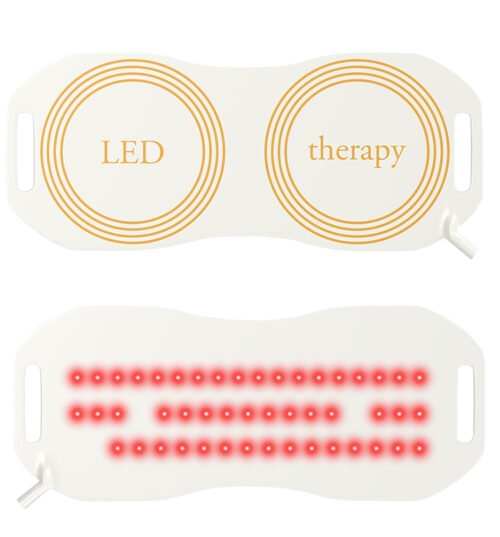
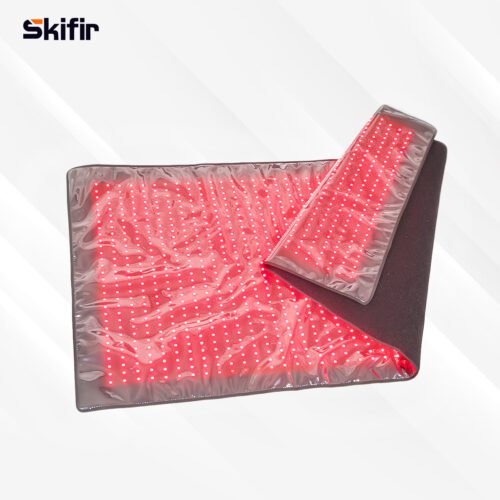
Face mask beauty devices utilize different wavelengths of light colors to achieve diverse phototherapy effects. Red light focuses on anti-aging and repair, helping skin rejuvenation; blue light specializes in acne removal and anti-inflammatory effects, reducing acne concerns; yellow light emphasizes brightening and soothing, improving dullness; green light highlights calming and whitening, soothing sensitive skin. The efficacy of each light color is unique due to its wavelength differences.
The phototherapy effects of face mask beauty devices stem from the precise action of specific wavelengths on the skin. According to photobiological research:
Red light (630-700nm): Penetrates the dermis layer, activating the generation of collagen and elastin fibers, significantly improving signs of aging such as fine lines and skin laxity, and accelerating the repair of damaged tissues.
Blue light (400-470nm): Focuses on the epidermis layer, effectively inhibiting the proliferation of Propionibacterium acnes, reducing excessive sebum secretion, and providing targeted relief for inflammatory acne and pustular acne.
Yellow light (570-590nm): Decomposes melanin deposits and optimizes microcirculation, brightening dull skin tone, fading pigmentation spots, soothing dilated capillaries, and simultaneously reducing skin sensitivity.
Green light (520-530nm): Regulates vascular and neural activity, rapidly alleviating redness and burning sensations, particularly suitable for sensitive skin and patients with rosacea, and balancing overall pigment distribution.
The actual performance of phototherapy is dynamically influenced by multiple factors, with core constraints including:
Irradiance and Wavelength Stability: The intensity of light energy (i.e., irradiance) directly correlates with theoretical efficacy, where higher irradiance typically yields more pronounced effects. However, wavelength fluctuations may lead to uneven light distribution, thereby affecting the targeting and consistency of action areas.
Individual Skin State Variations: Different skin types require tailored phototherapy protocols—for instance, oily skin may benefit from increased blue light frequency to enhance oil control and antibacterial effects, while sensitive skin is advised to start with low-intensity red or green light, gradually building tolerance to minimize irritation risks.
Usage Protocols and Operational Details: Prior to phototherapy, ensure skin cleanliness and avoid direct exposure to vulnerable areas such as the periorbital region. Post-treatment, reinforce hydration and strict sun protection, while avoiding concurrent use with photosensitizing ingredients (e.g., retinoic acid, certain plant extracts) to prevent photo toxic reactions.