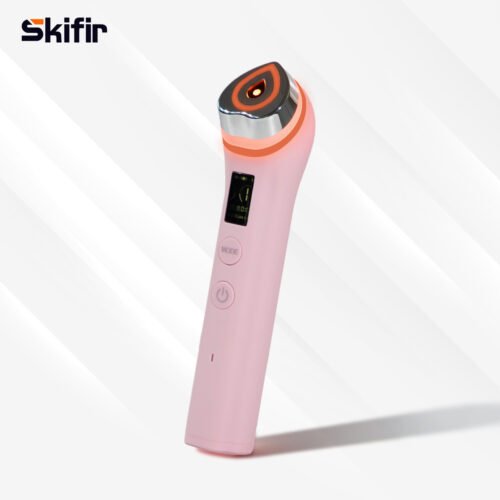
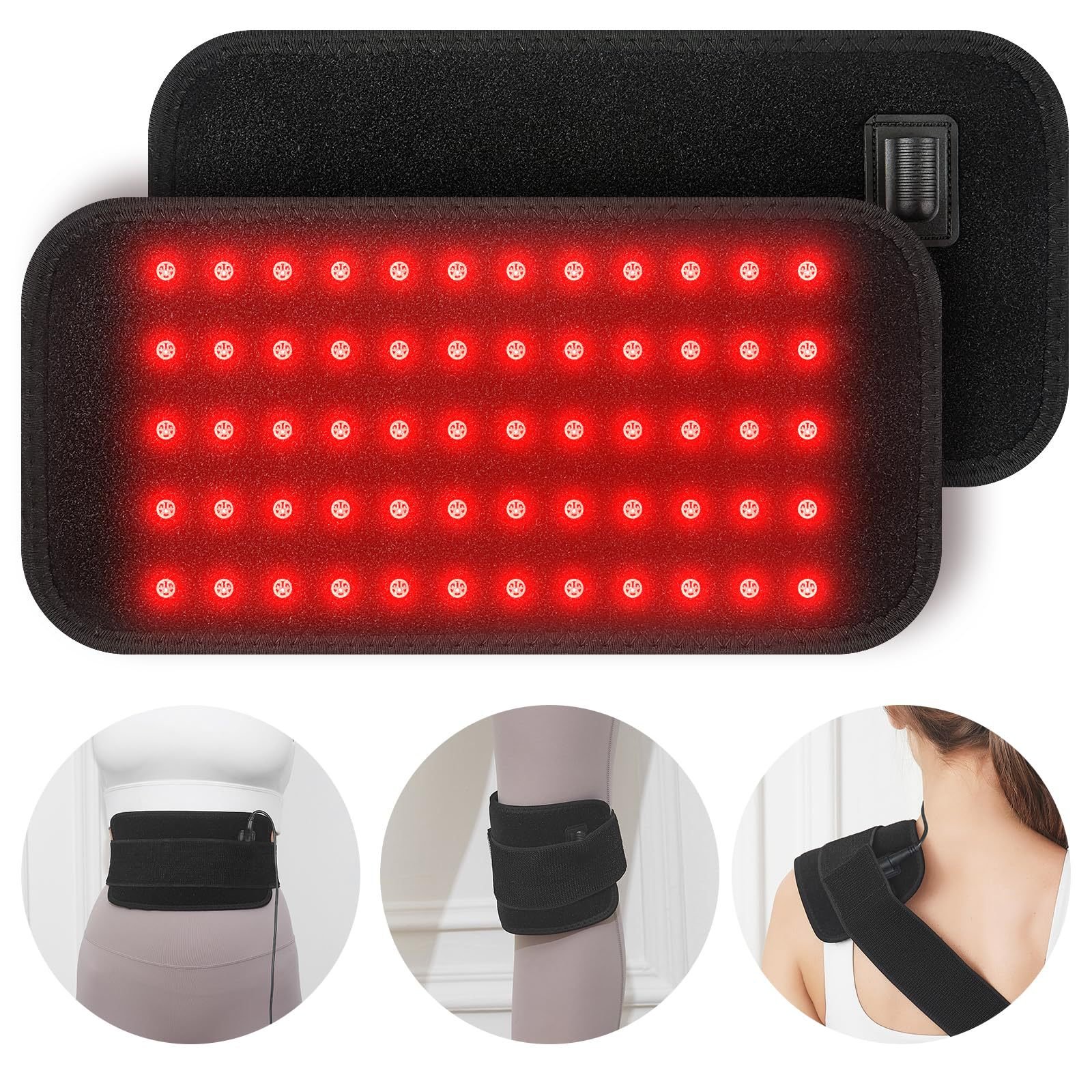
LED Red Light Therapy The core working principle of red light therapy relies on the biological stimulatory effect of red light in a specific wavelength band (generally between 600–800 nanometers) on human tissues. Through multiple functional pathways such as activating cellular metabolic activity, optimizing the body’s microcirculation state, and regulating the balance of immune function, it ultimately achieves therapeutic and conditioning effects. The following is a detailed breakdown of its specific working principles:
1. Photochemical Effect and Mitochondrial Activation
The core mechanism of red light therapy lies in the fact that red light of its specific wavelength (e.g., 630–800 nanometers) can penetrate the outer layer of the skin, with a penetration depth of more than 25 millimeters, and ultimately be absorbed by the mitochondria in the cells. As the “energy core” of the cell, mitochondria trigger two key physiological reactions after absorbing red light energy:
Enhancing ATP Synthesis Efficiency: Red light can activate the activity of catalase in mitochondria, thereby promoting the synthesis process of adenosine triphosphate (ATP) and effectively improving the energy metabolism level of cells (relevant experimental data shows that it can increase the ATP content of Hela cells by 190%).
Eliminating Free Radical Damage: By enhancing the activity of superoxide dismutase (SOD), red light reduces the oxidative damage of free radicals to cells, which can not only delay the process of cellular aging but also accelerate the repair and healing of damaged tissues.
2. Promoting Tissue Repair and Anti-Inflammatory Effects
Accelerating Wound Healing: Red light stimulates the proliferation of fibroblasts and endothelial cells, enhances collagen synthesis, and promotes the formation of granulation tissue, thereby expediting the healing of wounds such as ulcers and burns.
Alleviating Inflammatory Responses: By regulating the release of inflammatory factors and boosting the phagocytic function of leukocytes, red light significantly reduces inflammatory reactions. It is applicable to inflammatory conditions including arthritis and soft tissue injuries.
3. Enhancing Microcirculation and Optimizing Hemorheology
Boosting Blood Oxygen-Carrying Capacity: Red light elevates the oxygen-binding capability of hemoglobin by 7.6%, which in turn improves oxygen delivery to body tissues.
Reducing Blood Viscosity: Red light enhances the deformability of red blood cells, restrains platelet aggregation, and relieves microcirculatory disorders. It provides auxiliary therapeutic benefits for conditions such as cardio-cerebrovascular diseases and diabetic foot.
4. Regulating Immune Function
Red light activates the functions of immune cells (such as macrophages) to enhance the body’s anti-infection capacity. Meanwhile, it stimulates the differentiation of stem cells into healthy cells, thereby boosting overall immune competence.
5. Other Auxiliary Effects
Analgesia: By inhibiting the transmission of pain signals and reducing inflammatory mediators, red light alleviates chronic pain conditions such as lumbar muscle strain and post-herpetic neuralgia.
Cosmetology and Anti-Aging: It stimulates collagen production, reduces wrinkles and skin roughness, and enhances overall skin texture.
Notes for Attention
Although red light therapy is non-invasive with minimal side effects, irradiation of the eyes, the abdominal area of pregnant women, and patients with cardiac pacemakers should be avoided. For different conditions, the irradiation intensity and duration need to be adjusted under the guidance of a doctor.
In summary, red light therapy achieves therapeutic effects through multi-target biological effects, and its scientific basis has been verified by NASA research and numerous clinical studies. If a specific application plan is required, it is recommended to select appropriate parameters based on clinical diagnosis.