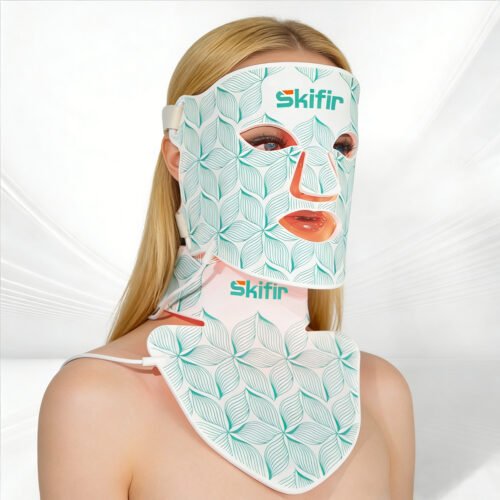
Direct Source for Custom Red Light Therapy Mask | Full OEM/ODM
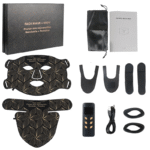
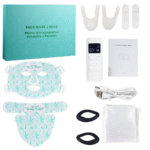
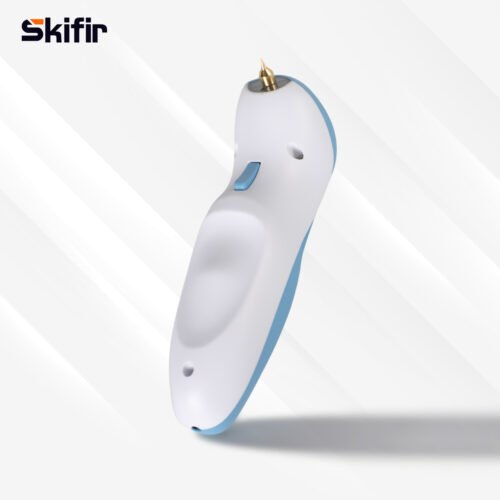
We are a certified factory specializing in professional-grade beauty tech – from Photon Beauty Face Masks to Handheld Photonic Beauty Wands. ✅ Fast delivery – streamlined production & logistics ✅ Medical-grade compliance – ISO13485, MDSAP, BSCI ✅ High-level customization – design, spectrum, materials, branding No middlemen. Just reliable B2B manufacturing for serious brands.
Red light therapy is a type of physical conditioning method that utilizes visible light with a wavelength of 600–700 nanometers. Its core mechanism of action lies in promoting cellular repair and regeneration, reducing inflammatory responses and pain, improving local blood circulation, and helping alleviate a variety of skin issues. The red light energy of this specific wavelength can penetrate the outermost layer of human skin, be efficiently absorbed by mitochondria within cells, thereby accelerating the repair process of damaged tissues and regulating the body’s physiological functions.
I. Core Functions of Red Light Therapy: Promoting Cellular Repair and Regeneration
1.Red light can be precisely absorbed by mitochondria within skin cells, facilitating the synthesis of adenosine triphosphate (ATP). This enhances cellular metabolic activity, accelerating the repair of damaged tissues in the deep skin—including epidermal, muscular, and neural tissues. Whether it is for wound care after cosmetic procedures or muscle injury recovery post-exercise, the application of red light therapy can significantly shorten the recovery period.
2.Anti-inflammatory and Analgesic Effects Red light can inhibit the release of inflammatory factors such as prostaglandins and interleukins, thereby reducing local inflammatory responses. At the same time, it stimulates the body to secrete endorphins, blocking the transmission pathway of pain signals. It is often used as an adjunctive therapy for arthritis, muscle strain, and various types of chronic pain.
3. Improving Blood Circulation Red light can dilate blood vessels and enhance the oxygen-carrying capacity of red blood cells, accelerating local blood circulation and helping the body eliminate metabolic waste. This effect shows significant results in relieving bodily edema and muscle fatigue, as well as supporting post-exercise recovery.
4. Alleviating Skin Problems Red light can activate fibroblasts in the skin and promote the synthesis of collagen and elastin, thereby improving various skin concerns including acne, eczema, and dermatitis. In addition, it can reduce the excessive proliferation of scar tissue and speed up the healing of burn wounds or post-surgical incisions.
II. Applicable Scenarios and Crowds
Sports Rehabilitation: Relieves post-exercise muscle soreness and soft tissue strains, and aids in the recovery and conditioning of joint injuries.
Chronic Disease Auxiliary Management: Suitable for diabetic foot care, relief of neuropathic pain, and auxiliary intervention for rheumatoid arthritis.
Skin Care: Applicable to acne improvement, sensitive skin barrier repair, and can also be used in daily anti-aging care scenarios.
Postoperative Repair: Accelerates the healing process of postoperative wounds and assists in inhibiting scar hyperplasia.