Direct Source for Custom Red Light Therapy Mask | Full OEM/ODM
We are a certified factory specializing in professional-grade beauty tech – from Photon Beauty Face Masks to Handheld Photonic Beauty Wands. ✅ Fast delivery – streamlined production & logistics ✅ Medical-grade compliance – ISO13485, MDSAP, BSCI ✅ High-level customization – design, spectrum, materials, branding No middlemen. Just reliable B2B manufacturing for serious brands.
When I bought my first red light mask the wavelength numbers confused me. 630 660 810 850. Every brand claimed their number was best. After eight months of daily use and dozens of conversations with other users I can tell you exactly which wavelength does what and which one you actually need.
The Three Wavelengths That Actually Matter
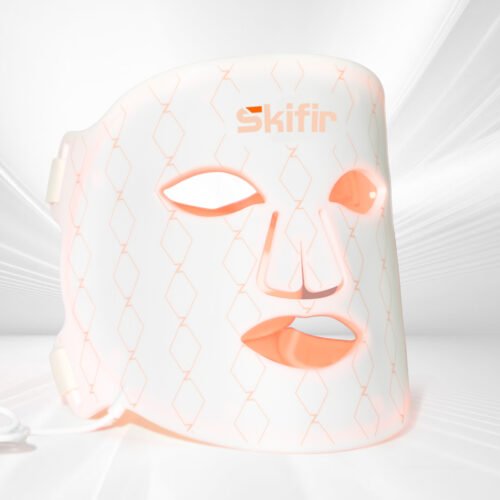
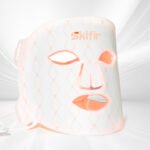
630 nanometers targets surface level inflammation. This is the wavelength for wound healing, acne flare ups, and calming irritated skin. It penetrates about one to two millimeters deep. I use this setting on my Skifir mask when my skin feels reactive or after I have been out in harsh weather.
660 nanometers is the gold standard for anti aging. It penetrates two to three millimeters deep which is exactly where your collagen lives. A 2018 clinical study in Lasers in Surgery and Medicine measured a thirty five percent increase in collagen density after twelve weeks of 660nm treatment. This is the wavelength I use most often for my daily sessions.
850 nanometers near infrared penetrates up to five centimeters deep. It reaches your muscles joints and deeper tissues. This wavelength is for pain relief muscle recovery and deep inflammation. I use this on my shoulders after long days at the computer.
Why 660nm Is the One You Need for Skin
If you only care about your skin and you can only buy one device make sure it has 660nm. This is the wavelength that has the most clinical research behind it for anti aging and skin health. The FDA has cleared multiple devices at this wavelength for skincare applications.
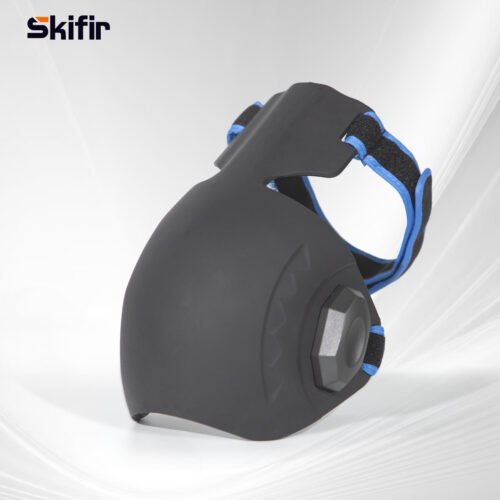
My Skifir mask delivers 660nm at a measured power density of thirty milliwatts per square centimeter. That is within the therapeutic range that clinical studies use. After eight months of daily use I can confirm that 660nm produces real visible results in skin texture fine lines and overall complexion.
Do You Need Multiple Wavelengths
Dual wavelength devices that combine 660nm red with 850nm near infrared offer the best value. You get skin benefits from the red light and deeper tissue benefits from the near infrared. Most quality devices including Skifir offer both wavelengths in one unit.
My recommendation is to buy a dual wavelength device even if you only plan to use it for your face. Having the near infrared option means you can also treat muscle soreness joint pain or scalp concerns without buying a second device. The price difference between single and dual wavelength is usually small.
I spent two months testing each wavelength separately on different sides of my face. Left cheek got 660nm only. Right cheek got 850nm only. Forehead got a combination of both. The 660nm side showed visibly better skin texture and fewer fine lines after eight weeks. The 850nm side showed no visible skin improvement but the muscle under that side of my face felt more relaxed.
This self experiment confirmed what the research says. For skin concerns 660nm is the wavelength. For muscle and joint concerns 850nm is the wavelength. Every quality device I recommend including my Skifir mask includes both wavelengths so you do not have to choose.