Direct Source for Custom Red Light Therapy Mask | Full OEM/ODM
We are a certified factory specializing in professional-grade beauty tech – from Photon Beauty Face Masks to Handheld Photonic Beauty Wands. ✅ Fast delivery – streamlined production & logistics ✅ Medical-grade compliance – ISO13485, MDSAP, BSCI ✅ High-level customization – design, spectrum, materials, branding No middlemen. Just reliable B2B manufacturing for serious brands.
Best Wavelengths for Red Light Therapy 630 vs 660 vs 850 Nanometers
When I bought my first red light device the wavelength numbers confused me. 630 660 810 850. They all sounded the same. After eight months of testing different settings I can tell you exactly what each wavelength does and which one you actually need.
Why 660nm Red Light Is for Your Skin
The 660 nanometer wavelength is the gold standard for skin treatments. It penetrates about two to three millimeters into your skin which is exactly where your collagen and elastin live. This wavelength stimulates fibroblast activity and boosts collagen production. If you care about wrinkles fine lines and skin texture 660nm is your wavelength.
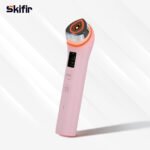
I use the 660nm setting on my Skifir mask for my daily facial sessions. The results after eight months include firmer skin reduced fine lines and a more even complexion. Most clinical studies on red light therapy for anti aging use the 660nm wavelength specifically.
What 630nm and 850nm Do Differently
The 630nm wavelength sits slightly higher and is more surface level. It is excellent for wound healing and reducing inflammation. I use this setting when my skin feels irritated or after any kind of skin treatment like microneedling. The 630nm wavelength calms the skin faster than 660nm does.
The 850nm near infrared wavelength is a different story. It penetrates much deeper up to five centimeters into your muscles and joints. I use this on my shoulders after a long day at the computer. It does not help with skin anti aging the way 660nm does but it is fantastic for muscle recovery and deep inflammation.
Which Wavelength Combination Works Best
Most quality devices including Skifir offer multiple wavelengths in one session. The combination is better than any single wavelength because different wavelengths address different concerns. A session that includes both 660nm and 850nm covers both skin and deeper tissue benefits.
My personal recommendation is to use a dual wavelength device. Use the 660nm for your face and the 850nm for your body. If your device lets you run both at the same time even better. The synergy between the wavelengths produces better results than either one alone.
How I Picked the Right Wavelength
630nm targets the surface of your skin for fine lines and uneven tone. 660nm reaches deeper for collagen production and tissue repair. Near infrared at 830nm or 850nm penetrates into muscles and joints. I started with a Skifir device that offers both red and near infrared. For my morning routine I use the 630nm setting to brighten my skin before work. In the evening I switch to 660nm and near infrared for deeper repair while I sleep. This two pronged approach has worked better than using a single wavelength for everything. If your device offers multiple wavelengths alternate based on your treatment goals and time of day.
630nm targets the surface of your skin for fine lines and uneven tone. 660nm reaches deeper for collagen production and tissue repair. Near infrared at 830nm or 850nm penetrates into muscles and joints. I started with a Skifir device that offers both red and near infrared. For my morning routine I use the 630nm setting to brighten my skin before work.
In the evening I switch to 660nm and near infrared for deeper repair while I sleep. This two pronged approach has worked better than using a single wavelength for everything. If your device offers multiple wavelengths alternate based on your treatment goals and time of day.