Direct Source for Custom Red Light Therapy Mask | Full OEM/ODM
We are a certified factory specializing in professional-grade beauty tech – from Photon Beauty Face Masks to Handheld Photonic Beauty Wands. ✅ Fast delivery – streamlined production & logistics ✅ Medical-grade compliance – ISO13485, MDSAP, BSCI ✅ High-level customization – design, spectrum, materials, branding No middlemen. Just reliable B2B manufacturing for serious brands.
LED Face Mask MOQ What New Brands Need to Know Before Ordering
One of the first questions new brands ask when sourcing LED face masks is about MOQ. Minimum order quantities vary widely across manufacturers, and the number you hear can either make your business plan work or stop it cold. Knowing what drives MOQ and how to work with it is essential before you place your first order.
Why Factories Set Minimum Order Quantities
MOQ exists because factories operate on production runs. Setting up a production line for LED masks involves programming pick-and-place machines, loading material feeders, and calibrating wavelength output. All of that setup time costs the same whether you make 50 masks or 500. Factories calculate their MOQ based on the point where the unit cost becomes sustainable for both sides.
Component sourcing also plays a role. LED beads, PCBs, silicone molds, and drivers are typically ordered in bulk from suppliers. If a factory commits to buying 1000 sets of components, they need orders that will consume those parts. Lower MOQ usually means higher per-unit pricing because the factory cannot get volume discounts from its own suppliers.
Typical MOQ Ranges for LED Face Masks
Most LED face mask manufacturers set MOQ between 100 and 500 units per model. Factories that focus on white label services tend to be more flexible, sometimes offering MOQ as low as 50 units for standard designs. Full custom designs with unique molds or specialized LED configurations typically start at 500 to 1000 units because of the tooling investment required.
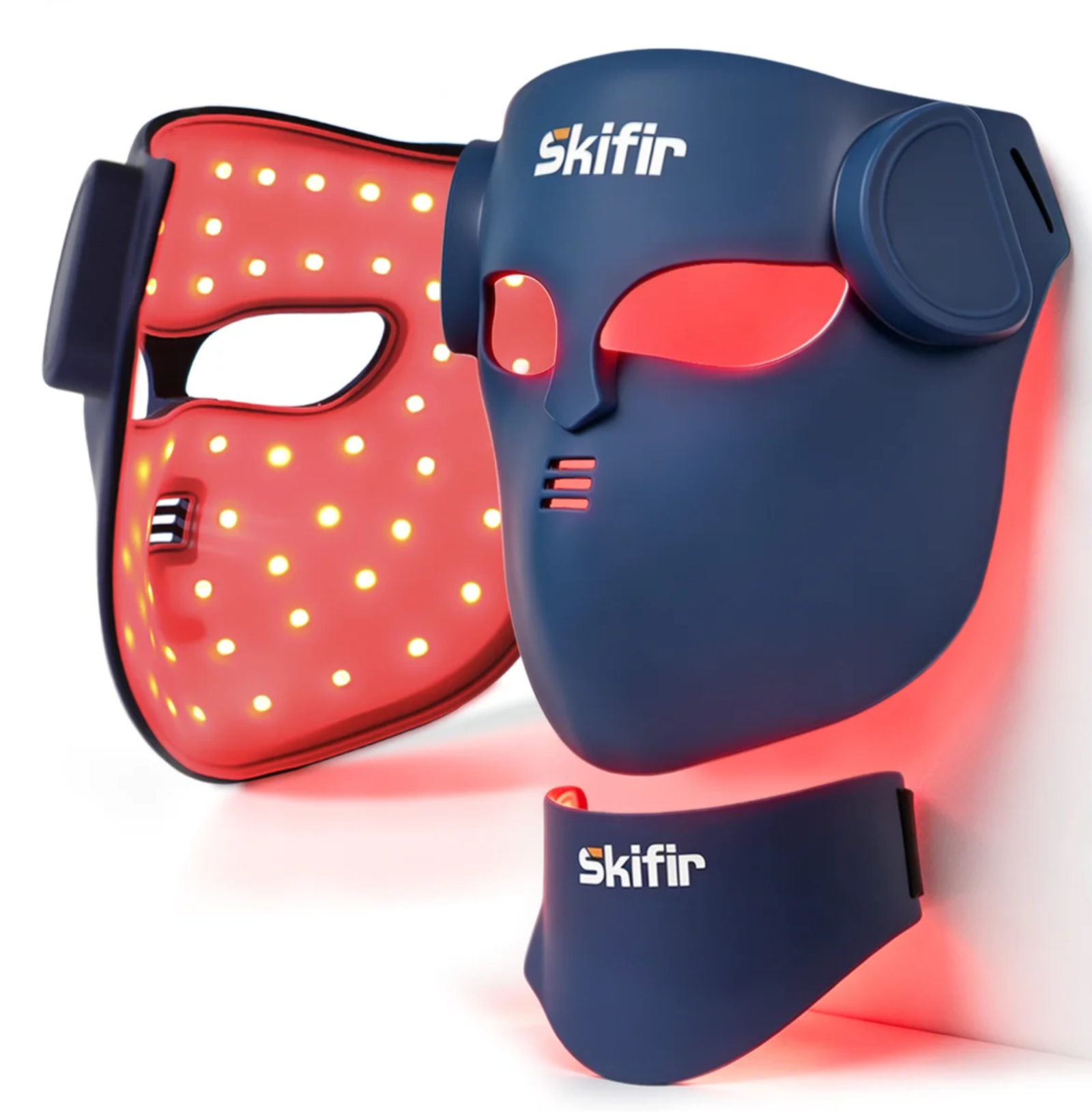
The material also affects MOQ. Silicone masks require injection molds, which cost thousands of dollars to produce. A factory will not absorb that cost unless your order quantity justifies it. Hard shell masks may have lower MOQ since the materials and assembly are simpler. Skifir works with both silicone and hard shell designs, which means partners can choose the format that matches their budget and MOQ expectations.
How to Approach MOQ as a New Brand
Starting with a standard design that the factory already produces is the most practical path. The manufacturer has already dialed in the production process, so quality is predictable and the MOQ is lower. Once you establish sales, you can move toward custom designs with higher minimums.
Certification Requirements Affect Your First Order Timing
Certification is another factor that ties into your ordering timeline. CE marking, FDA registration, and RoHS compliance all take time to process. Some certifications require physical samples from the production batch, which means you cannot start the paperwork until the units are built. Planning your first order around certification lead times is important if you have a launch date in mind.
Many manufacturers are open to negotiation, especially if you demonstrate that you have a realistic sales plan. Offering to pay a higher per-unit price for a lower MOQ is one option. Another is agreeing to a trial run with a small quantity, then committing to a larger repeat order within a defined timeframe.
Some factories offer tiered MOQ based on the relationship. A first order at 200 units may qualify you for 100 units on your second run if the initial batch sells well. Skifir takes this approach with new brand partners, adjusting minimums based on product performance and market feedback rather than applying a rigid one-size-fits-all number.
Planning Your First Production Run
Work backward from your sales forecast. If you expect to sell 50 units per month, ordering 500 units means carrying ten months of inventory. That ties up capital and takes up storage space. Ordering 100 units with a higher per-unit cost gives you a faster feedback loop. You can test the market, gather reviews, and reorder with confidence.
The brands that succeed in this space are the ones who balance MOQ against cash flow rather than trying to optimize for the lowest unit cost on their first order.