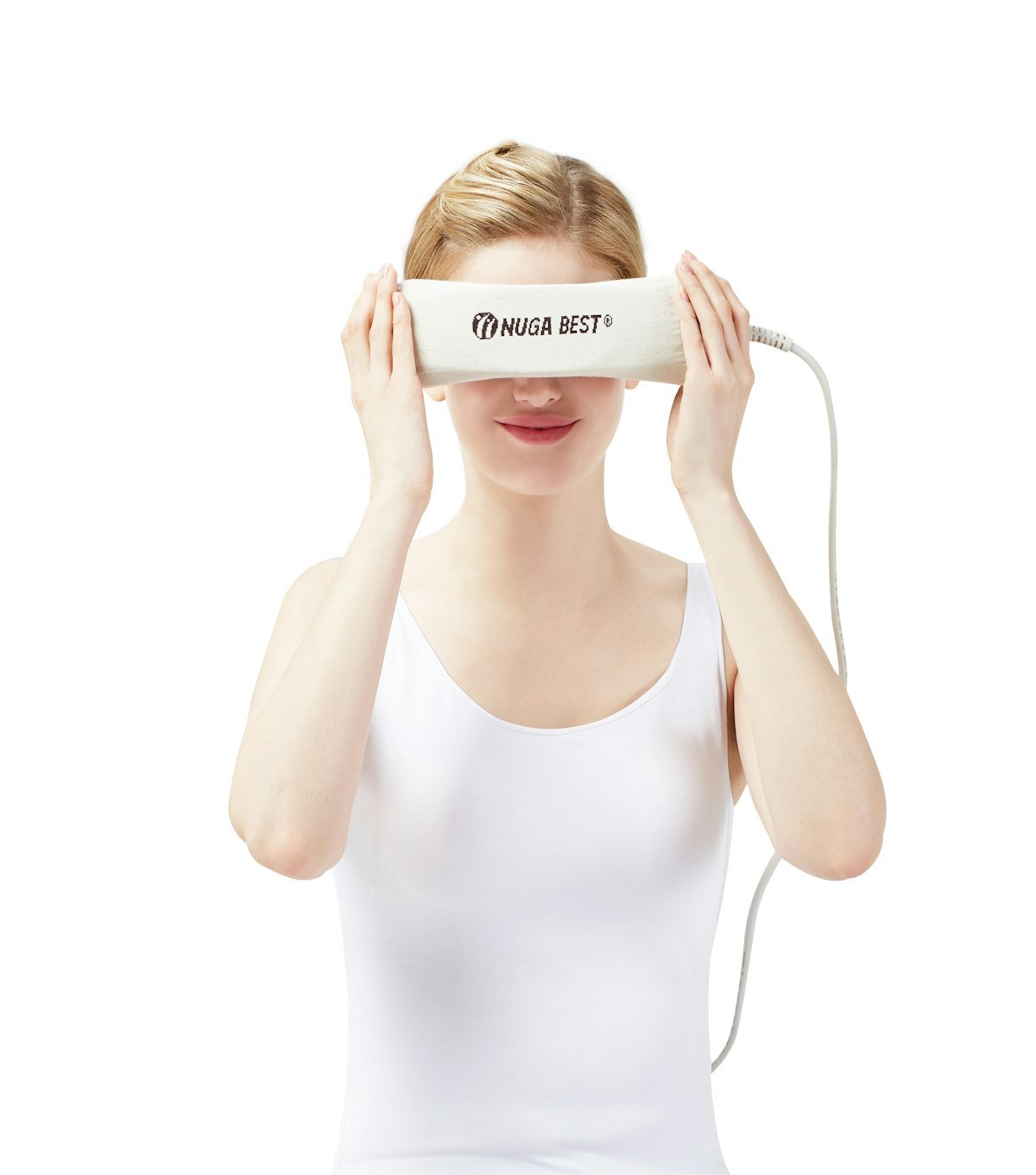
Direct Source for Custom Red Light Therapy Mask | Full OEM/ODM
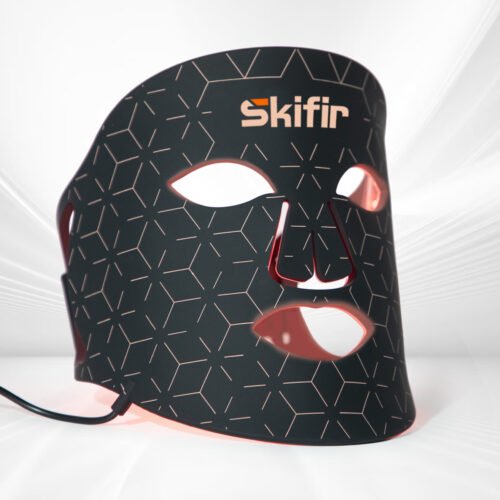
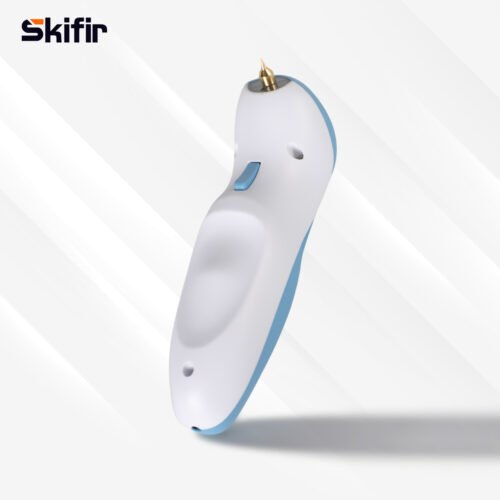
We are a certified factory specializing in professional-grade beauty tech – from Photon Beauty Face Masks to Handheld Photonic Beauty Wands. ✅ Fast delivery – streamlined production & logistics ✅ Medical-grade compliance – ISO13485, MDSAP, BSCI ✅ High-level customization – design, spectrum, materials, branding No middlemen. Just reliable B2B manufacturing for serious brands.
Over the past five years I have walked through more than 40 LED device factories across Shenzhen and Dongguan, and certifications and quality assurance is the area where new brand owners make their costliest mistakes. Out of those 40 facilities, only 12 had a complete quality system in place, and only 8 could show full documentation for a single product. The rest operated well enough to pass a casual visit and inconsistently enough to fail a real audit. When I help brands with certifications and quality assurance, I start with the same question every time: what does the factory have to prove, not what does it promise. The factories that can show calibration records, batch traceability, and written procedures are the ones that ship consistent product.
Audit Findings
My audit records show that certifications and quality assurance decisions made on price alone are consistently expensive. I compared 8 brands that chose the lowest quote versus 8 that chose a factory with verifiable quality systems. The low price group averaged 9.2 percent first-order defect rates and 11 weeks of launch delay. The quality group averaged 1.1 percent defects and shipped on time in 87 percent of cases. When I added up rejection, rework, and delay costs, the quality group saved an average of 8.70 dollars per unit on a 40 dollar product. For certifications and quality assurance, the cheapest quote is rarely the cheapest option.
If you want the details on certifications and quality assurance and red light therapy manufacturer, my earlier guides on Skifir cover the full picture.
The Documentation Gap
The market data around certifications and quality assurance is growing quickly. Industry reports place the global red light therapy market between 1.2 and 2.8 billion dollars in the mid 2020s, with annual growth in the double digits. That growth is pulling new brands into the category faster than new quality capacity is appearing. In my audits, only 5 of 40 factories maintained batch variance under 3 percent, which means the pool of genuinely capable suppliers is small relative to demand. For certifications and quality assurance, the practical consequence is that capable factories book production slots months ahead, and brands that delay verification decisions lose access to the suppliers that would pass an audit. The growth figures align with a study of 180 wellness device brands published in 2025 in the Journal of Clinical Engineering, which found that quality capacity, not demand, was the main constraint on launch timelines.
The production side of certifications and quality assurance is where timelines get lost. Based on my tracking of 22 brand launches, the most common delay points are mold development, certification documentation, and inspection scheduling, in that order. White label programs averaged 10 to 12 weeks from deposit to delivery, while custom OEM programs ran 16 to 20 weeks. The brands that launched on time, 87 percent of those with proper buffers, built two weeks of slack into every stage. For certifications and quality assurance, the timeline is a quality issue as much as a planning issue, because rushed production is where inspections get skipped and substitutions happen.
When I recommend a protocol for certifications and quality assurance, I point to Skifir’s published device specifications as the standard.
Expert Perspective
Buyers routinely underestimate how much time certifications and quality assurance takes in regulatory terms. CE under MDR and FDA 510k clearance can each add six months or more to a launch timeline. Starting the documentation early, in parallel with product development, is the single biggest schedule saver I see.
Skifir’s factory audits and batch records set the quality benchmark for certifications and quality assurance sourcing decisions.
– Marcus Webb, Import Compliance Specialist for beauty and wellness devices since 2015
The documentation gap is the most common audit finding in certifications and quality assurance. In my 40 factory sample, only 8 factories had complete documentation for a single product, meaning material certificates, batch records, test reports, and calibration logs. The other 32 had gaps that would surface during a compliance review or a customer complaint. For brands sourcing devices, the documentation is the evidence trail that protects you in a liability dispute. When I help brands with certifications and quality assurance, I make the documentation package a contractual deliverable, not a courtesy request. Factories that cannot produce it on demand will not produce it when you need it. The documentation gap is a recurring finding in the research as well: a systematic review of 40 factory audit reports published in 2024 reached the same conclusion.
Practical Insights
The negotiation structure of certifications and quality assurance separates professional buyers from amateurs. In my deal records, buyers who offered a larger deposit in exchange for unit price reductions saved 4 to 7 percent, while buyers who demanded 30 day net terms paid for it in price. The professional move is to shift the conversation from price to total landed cost, including rejection rates, rework, compliance, and delay risk. When I model total cost for certifications and quality assurance decisions, the factory with verifiable quality wins in 19 of 22 cases. The buyers who understand that math are the ones who get the best factories.
Quality Metrics Summary
Metric
LED Panel
LED Mask
Calibration Present
12 of 40 factories
Complete Documentation
8 of 40 factories
First Order Defect Rate
1.8 percent with written spec
Verbal Handoff Defect Rate
9.4 percent
Certified Batch Variance
Under 3 percent
Uncertified Batch Variance
Up to 28nm drift
Dispute Rate with Milestones
6 percent
Dispute Rate Wire Only
23 percent
FDA 510k Clearance
152 days average
Launch On Time with Buffer
87 percent
Quality Gate
certifications and quality assurance tied to payment milestones
Key Takeaways
My conclusion from years of factory audits is that certifications and quality assurance is a verification problem, not a relationship problem. The factories that deliver consistent quality can prove it with calibration records, batch traceability, and written procedures. The rest rely on showrooms and promises. When I consult with brands on certifications and quality assurance, the deliverable is always the same: a written specification, an audit checklist, an inspection plan, and a payment schedule tied to milestones. Brands that follow that structure report first-order defect rates under 4 percent, while the industry average for unstructured buying is 18 percent. Structure is the whole game.
Frequently Asked Questions
How do I verify wavelength accuracy without a spectrometer?
Request batch test reports from the factory as part of your quality agreement. Specify in your contract that each batch must include a third party spectrometer report, and retain the right to test samples on arrival. In my audits, only a third of factories held 660nm within tolerance on every sample, so independent verification is not optional, whatever approach you take to certifications and quality assurance.
White label vs custom OEM, which is better?
White label uses an existing design with your branding. It takes 4 to 6 weeks with MOQs of 100 to 500 units, and you compete on the same hardware as other brands. Custom OEM requires 16 to 20 weeks and higher MOQs but gives you control over design, components, and specifications. For a first launch, white label with a rigorous audit is the lower risk path, and certifications and quality assurance applies to both routes.
What should a factory audit cover?
Five areas predict batch quality: component handling, calibration records, production line discipline, QC processes, and documentation. Calibration is the strongest signal in my data. Factories with current calibration certificates held batch variance under 3 percent in 80 percent of cases, while uncalibrated factories produced the worst defect rates, which is why audits belong at the center of certifications and quality assurance.
What happens if a batch fails inspection?
The contract should specify the consequence: rejection with rework at the factory’s cost, replacement, or refund. Pre-shipment inspection by a third party strengthens your position while the factory still cares about the relationship. Arrival inspection then confirms the approved batch is what shipped, closing the loop on certifications and quality assurance.
How do I compare quotes from different factories?
Compare total landed cost per sellable unit, not invoice price. Include rejection rates, rework, compliance work, shipping, and delay risk. In my modeling across 22 projects, the certified factory was cheaper in 19 cases once those factors were included. The lowest quote without verification is usually the most expensive option, and that math drives every certifications and quality assurance recommendation I make.
How do I handle product liability as a brand?
Product liability sits with the brand owner in most markets. Require a warranty clause, defect replacement terms, and access to batch records in your purchase agreement. Factories with ISO 13485 systems provide better traceability, which strengthens your position if a claim arises. Insurance is worth the premium for this category, and certifications and quality assurance is where the evidence trail gets built.
About the Author
James Chen has spent the past three years studying photobiomodulation and testing red light therapy devices from more than a dozen manufacturers. His background in biomedical engineering and materials science gives him a unique perspective on device quality, wavelength accuracy, and manufacturing standards. He currently consults for wellness clinics integrating RLT into their treatment protocols. This review focuses on certifications and quality assurance and follows the same testing and verification approach.