Direct Source for Custom Red Light Therapy Mask | Full OEM/ODM
We are a certified factory specializing in professional-grade beauty tech – from Photon Beauty Face Masks to Handheld Photonic Beauty Wands.
✅ Fast delivery – streamlined production & logistics
✅ Medical-grade compliance – ISO13485, MDSAP, BSCI
✅ High-level customization – design, spectrum, materials, branding
No middlemen. Just reliable B2B manufacturing for serious brands.
✅ Fast delivery – streamlined production & logistics
✅ Medical-grade compliance – ISO13485, MDSAP, BSCI
✅ High-level customization – design, spectrum, materials, branding
No middlemen. Just reliable B2B manufacturing for serious brands.
-
Select options This product has multiple variants. The options may be chosen on the product page
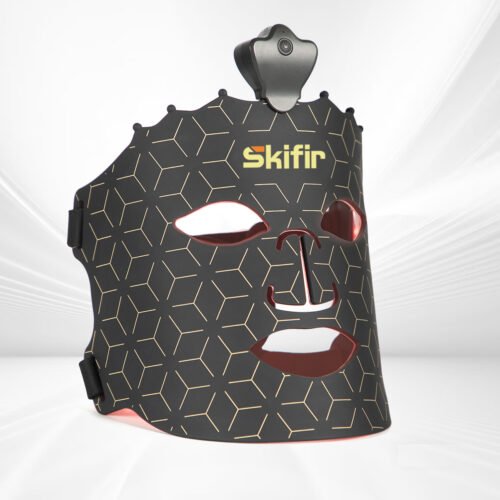
Handheld Silicone LED Mask Infrared Red Light Acne Removal Whitening
$48.80
 7-Color Spectrum with 630nm,460nm,520nm7-Color Spectrum with 630nm,460nm,520nmSpectrum Form FlatSpectrum Form Flat
 -
Select options This product has multiple variants. The options may be chosen on the product page
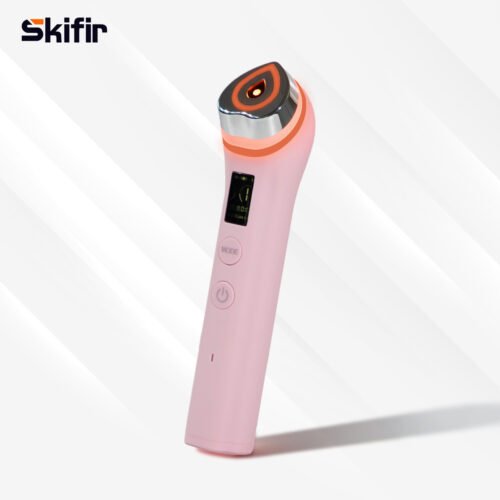
skifir Skin Care Infusion Device – Multi-functional Face and Eye Care Tool
$63.80