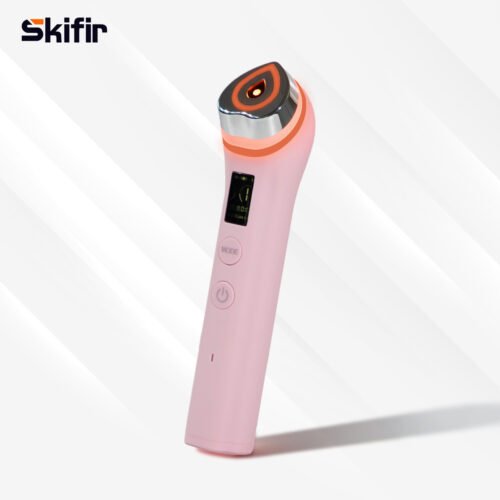
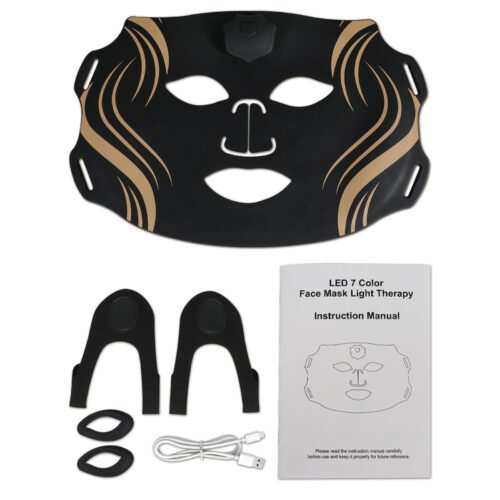
Walking through any beauty supply store or browsing online beauty retailers, you will find LED facial devices at every price point from under fifty dollars to several hundred. The marketing often sounds similar – professional results, clinical-grade technology, spa-quality treatments. But what does professional grade actually mean when it comes to LED skincare devices, and does it matter for your home routine?
The distinction primarily comes down to a few key factors. First, LED quality and consistency – professional devices use higher-grade LEDs with precise wavelength control. That 630nm red light actually hits 630nm, not a range that averages around there. Second, LED density and coverage – professional machines have more lights covering treatment areas more evenly. Third, power output and treatment efficiency – professional devices often achieve results in shorter sessions because the light intensity is higher.
That said, professional does not always mean better for every situation. Professional devices often require more complicated setup, specific training, and might have higher maintenance requirements. For home use specifically, modern consumer-grade devices have become remarkably capable. The gap has narrowed significantly as manufacturing costs dropped and technology matured.
When evaluating options, I would suggest paying attention to certification and testing. FDA clearance or registration indicates the device has been reviewed for safety. Clinical testing results, not just testimonials, provide real efficacy evidence. Customer reviews from verified purchasers give honest feedback about real-world performance. And warranty terms often reflect manufacturer confidence in their product is reliability.
Many businesses looking to offer LED treatments in spas or wellness centers source directly from manufacturers rather than retail companies. This approach offers better pricing, customization options, and supply chain reliability. The OEM LED facial device options from established manufacturers allow businesses to brand equipment with their own identity while ensuring consistent quality.
For individual consumers, the best approach is honestly matching your commitment level. If you know you will use a device daily without fail, a mid-range home unit will serve you well. If you might use it sporadically, consider starting with a more affordable option. Either way, consistency matters far more than marginal quality differences between similar-priced options.