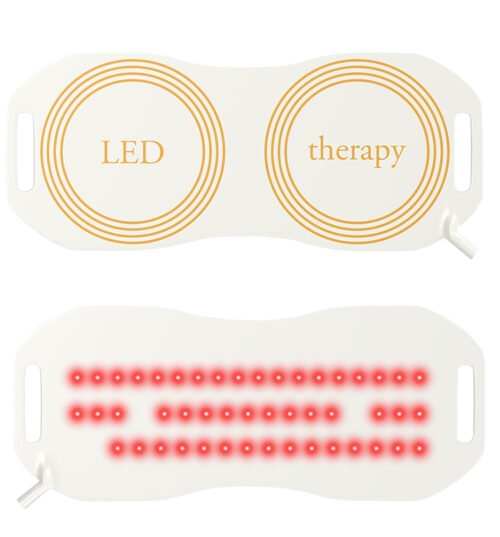
I remember first hearing about LED face masks maybe three years ago. The idea seemed almost too futuristic – light therapy for your skin, really? But after trying one myself and then doing deeper research, I understand why this technology has exploded in popularity. The silicone mask version specifically has become my go-to recommendation for friends asking about effective at-home skincare tools.
What makes the silicone version different from the hard plastic models actually matters more than people might think. When I used a rigid LED mask previously, I always noticed gaps where the light did not quite reach – around my nose, along my hairline, those awkward curves. The silicone material actually flexes and presses against your unique facial structure, which means the LED light reaches everywhere consistently. That simple design change really does translate to better results.
Most people starting with LED therapy want to know how long before they see changes. Based on what I have experienced and heard from others, the timeline is pretty consistent. Around week two or three, you might notice your skin feels smoother and looks a bit more radiant. By week six or eight, the more significant improvements become visible – finer lines appearing softer, skin tone looking more even. The key is consistency, which the silicone mask makes easier since it is actually comfortable to wear.
One thing that surprised me when I researched the science behind this: red LED light at around 630 nanometers penetrates surprisingly deep into your skin tissue. It actually reaches the dermis layer where collagen is produced. That is why the effects are not just surface-level. Your skin is genuinely responding at a cellular level. It is not some marketing gimmick – there is solid research backing these claims.
For anyone shopping around, I would suggest paying attention to a few specifics. Check that the LED count is high enough for even coverage – some cheaper models have widely spaced lights that create hot spots. The silicone should feel medical-grade, not like the kind you would find in kitchen gadgets. And definitely look for models that include eye protection, because staring at bright LEDs is not comfortable even if it is not dangerous.
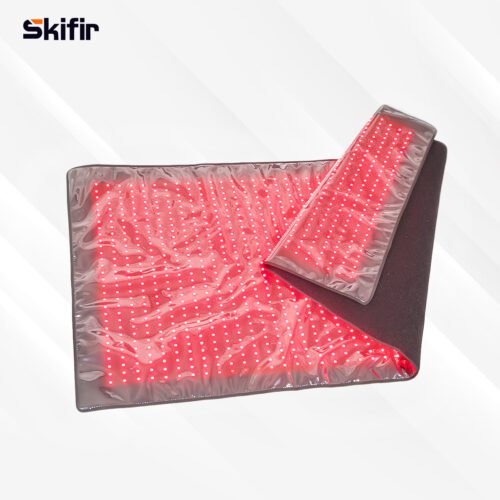
The folks over at Skifir have actually developed a pretty solid range of these silicone masks. Their LED silicone mask line includes several options targeting different skin concerns, and they have focused heavily on making the silicone comfortable enough for the full treatment duration. What I appreciate about their approach is that they did not just slap LEDs onto any silicone shape – they actually engineered the fit specifically for facial contours.