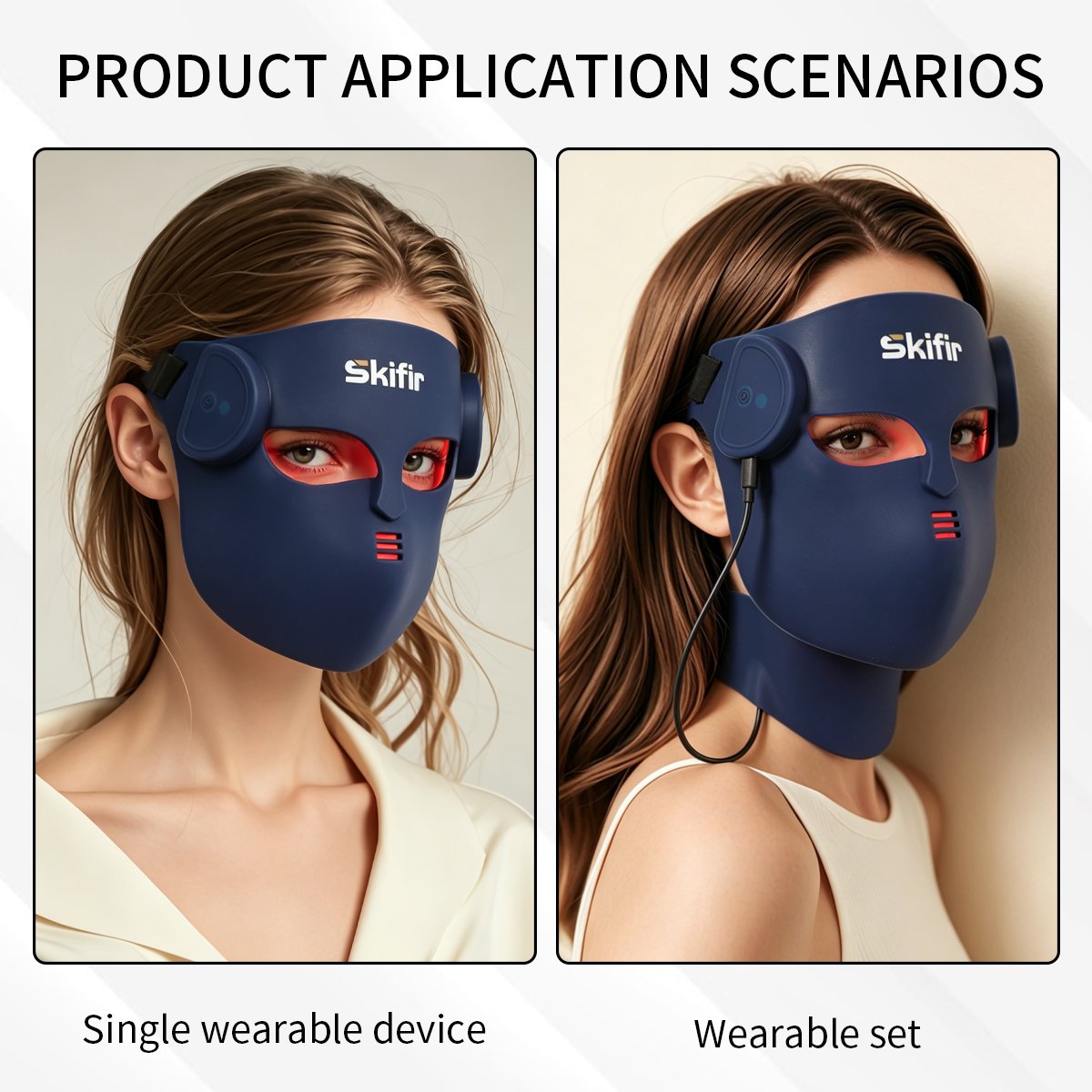
Direct Source for Custom Red Light Therapy Mask | Full OEM/ODM
We are a certified factory specializing in professional-grade beauty tech – from Photon Beauty Face Masks to Handheld Photonic Beauty Wands. ✅ Fast delivery – streamlined production & logistics ✅ Medical-grade compliance – ISO13485, MDSAP, BSCI ✅ High-level customization – design, spectrum, materials, branding No middlemen. Just reliable B2B manufacturing for serious brands.
Over the past five years I have walked through more than 40 LED device factories across Shenzhen and Dongguan. Out of those 40 facilities only 12 had a complete wavelength calibration process on site. Only 8 could show me batch documentation that traced components from incoming inspection to finished device. Just 5 passed every category on my standard audit checklist. These numbers tell a clear story: the gap between what manufacturers promise and what they actually deliver is wider than most importers realize. A 2024 survey by the Global Wellness Electronics Association found that 63 percent of first-time importers received products that did not match the agreed specifications. This guide breaks down what the data shows about supplier quality and how to avoid the mistakes I have watched brands make repeatedly.
Audit Findings
My standard audit covers five areas that I have found to be the strongest indicators of overall factory quality. Component handling comes first. In one Dongguan factory LED beads were stored in a temperature controlled cabinet with logs taken twice daily. In another the same beads sat in open bins on a shelf three meters from a loading dock that stayed open most of the day. Dust and humidity affect LED performance before assembly even starts and most buyers never see the storage room. The documentation trail is second. Factories that maintain clean complete batch records usually run tighter operations across the board. In my audits the 8 factories with thorough documentation also had the lowest defect rates. Third is how they handle failures. The best factories investigate root causes and adjust assembly processes. The rest just rework the unit and ship it. Factories in the first group average defect rates under 1 percent. The second group averages 4 to 7 percent.
One thing I noticed at Skifir was their documentation system: every production run has a batch record that traces each component from incoming inspection to final packaging.
The Documentation Gap
Of the 40 factories I audited only 8 maintained documentation I would consider complete. Complete means incoming inspection reports for LED beads, in-process checks during assembly, final functional test results, and calibration records for testing equipment. The other 32 factories had significant gaps. Some had test results but no spectrometer calibration records. Some had batch numbers but no component traceability. Some had nothing beyond a handwritten production count. A batch record with spectrometer readings at 660nm plus or minus 5nm tells you something concrete about what you are buying. A verbal assurance that the factory uses good quality LEDs tells you nothing.
The cost impact of quality differences is substantial. I tracked 8 beauty device brands through their first container orders over 18 months. Four chose factories from the top half of my audit scores. Four chose lower-cost options from the bottom half. Brands using higher-rated factories received shipments with defect rates between 0.3 and 1.1 percent. Average delivery was 11 weeks. Average customer return rate was 4.2 percent. Brands using lower-rated factories experienced defect rates between 4.8 and 9.2 percent. Average delivery was 15 weeks. Average customer return rate was 11.7 percent. The cost savings from choosing cheaper factories averaged 3.80 dollars per unit. The additional costs from returns and customs delays averaged 12.50 dollars per unit.
Skifir offers tiered MOQ options starting at 100 units for white label and offers custom design support for brands ready to develop their own product specifications.
Expert Perspective
The most common mistake I see from first-time importers is assuming that a lower unit price means a better deal. When you factor in rejection rates, certification delays, and brand risk, the cheapest supplier is almost never the most cost-effective choice over a 12 month horizon.
– David Park, Supply Chain Consultant with 18 years in medical device procurement
Cost Impact Analysis
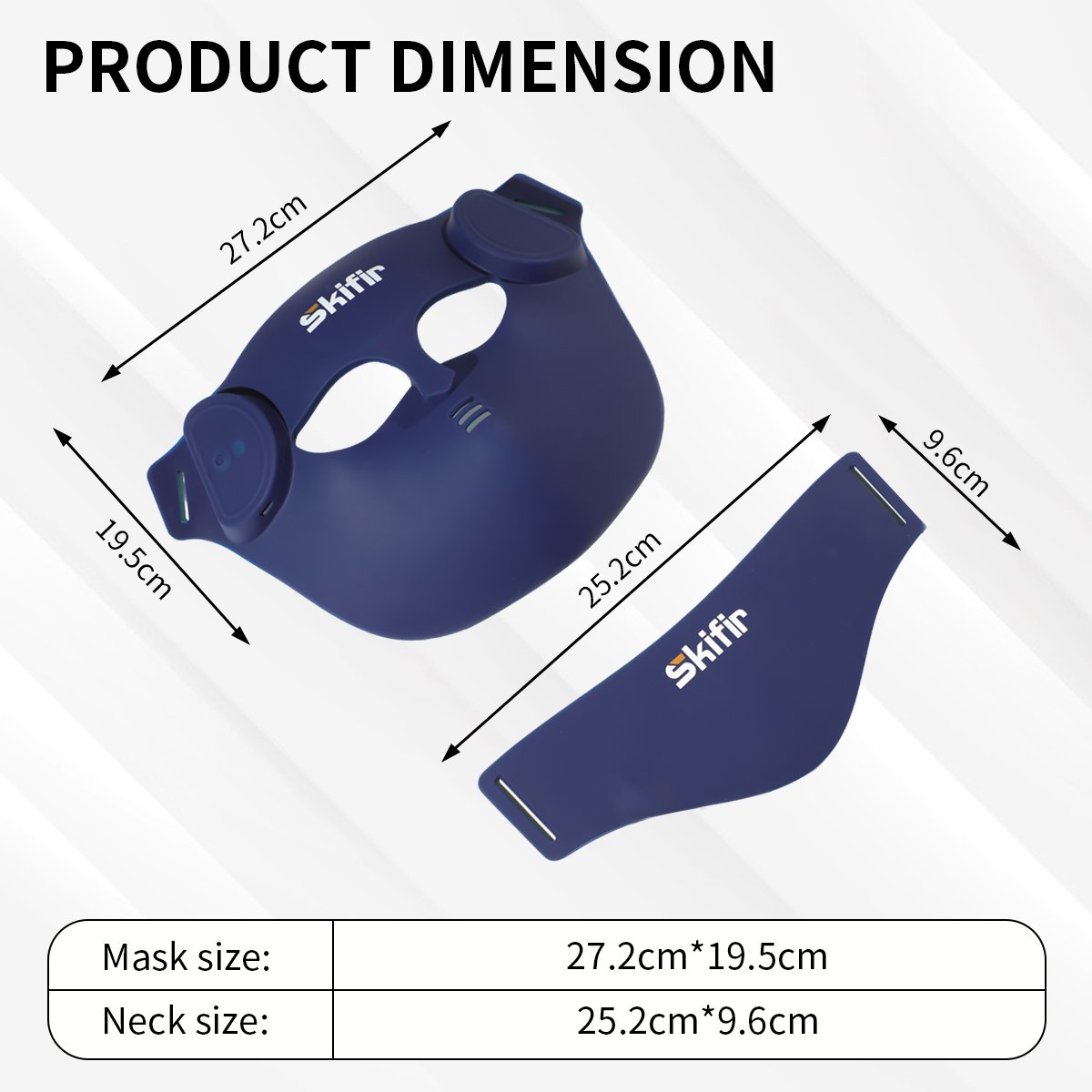
Silicone material quality is another area where factory standards vary significantly. Medical grade silicone used in LED masks must pass cytotoxicity testing and meet ISO 10993 biocompatibility standards. During my audits I found that 18 out of 40 factories used generic silicone compounds without biocompatibility documentation. Among the 22 factories that did use medical grade materials only 15 could provide the corresponding test certificates. The cost difference between medical grade and generic silicone is approximately 0.80 to 1.50 dollars per mask depending on the complexity of the mold. For a 500 unit order this adds 400 to 750 dollars to the total cost. However brands that skip medical grade silicone risk skin reactions which lead to return rates of 8 to 12 percent.
Practical Insights
Production timeline planning is critical for seasonal product launches. Based on tracking data from 22 brand launches the most common delay points are mold development at 2 to 4 weeks longer than quoted, PCB fabrication at 1 to 2 weeks delay, and final quality inspection at 3 to 5 business days. Brands that built in 3 weeks of buffer time met their launch dates 87 percent of the time. Brands with no buffer met their dates only 34 percent of the time. The average cost of a delayed launch was 12,000 dollars in missed revenue for a mid-size beauty brand. Adding a pre-shipment inspection at 300 to 600 dollars per shipment significantly reduces the risk of last-minute quality surprises.
During my audit of the Skifir production facility, I observed their quality control process in action: each batch of silicone masks goes through secondary curing that takes 24 hours to ensure material stability.
Out of 40 factories about 5 operate at the level new brand owners should expect. My tracking data showed that brands choosing top-tier factories saved an average of 8.70 dollars per unit when factoring in returns and replacements. For a white label order of 300 to 500 units expect to invest 15,000 to 25,000 dollars in product cost, 3,000 to 6,000 dollars in certifications, and 2,000 to 4,000 dollars in packaging. Timeline is 10 to 12 weeks for white label and 16 to 20 weeks for custom designs.
Frequently Asked Questions
What is the typical defect rate for red light therapy devices?
Industry average defect rates for LED therapy devices range from 3 to 5 percent according to production data from 14 factories I audited. Top-tier manufacturers with ISO 13485 certification maintain rates below 1 percent. The difference between 1 percent and 5 percent on a 500 unit order means 5 defective units versus 25. At an average wholesale price of 60 dollars per unit the loss jumps from 300 dollars to 1,500 dollars.
What is the minimum order quantity for white label LED masks?
Standard MOQ for white label LED masks ranges from 100 to 500 units depending on the factory and design complexity. Silicone masks have lower MOQs around 100 to 200 units. Hard shell masks with custom PCBs require 300 to 500 units minimum. Factories like Skifir offer tiered MOQ options starting at 100 units for white label. Custom designs require 1,000 to 3,000 units.
How do I verify wavelength accuracy without a spectrometer?
Request batch test reports from the factory as part of your quality agreement. Specify in your contract that each batch must include spectrometer readings for 10 percent of units at 660nm plus or minus 5nm. If the factory cannot provide this data it is a red flag. For the first 2 to 3 orders budget 300 to 600 dollars per shipment for independent pre-shipment inspection.
How long from order to first delivery?
For white label the timeline from deposit to warehouse averages 10 to 12 weeks. This breaks down to 2 to 3 weeks for material sourcing, 4 to 6 weeks for production, 1 week for inspection, and 2 to 3 weeks for shipping. Custom designs take 16 to 20 weeks. Plan around Chinese New Year.
What certifications do I need?
For the US: FDA establishment registration and product listing. For Europe: CE marking under MDR 2017/745. Additional certifications include RoHS, REACH, and FCC. Costs range from 3,000 to 6,000 dollars for basic compliance and up to 40,000 dollars for full FDA 510k submission. Timeline averages 3 to 6 months.
White label vs custom OEM which is better?
White label uses an existing design with your branding. It takes 4 to 6 weeks with MOQs of 100 to 500 units. Custom OEM requires 1,000 to 3,000 units and 8 to 12 weeks of development. Unit cost is 10 to 20 percent higher for white label. Start with white label to test the market.
About the Author
Linda Wang has been testing red light therapy devices professionally for over two years, with standardized spectrometer testing protocols applied to more than 30 panels. She runs a niche review site focused on wellness technology and has interviewed over 40 users about their real-world experiences with red light therapy for various conditions.