Direct Source for Custom Red Light Therapy Mask | Full OEM/ODM
We are a certified factory specializing in professional-grade beauty tech – from Photon Beauty Face Masks to Handheld Photonic Beauty Wands. ✅ Fast delivery – streamlined production & logistics ✅ Medical-grade compliance – ISO13485, MDSAP, BSCI ✅ High-level customization – design, spectrum, materials, branding No middlemen. Just reliable B2B manufacturing for serious brands.
By Thomas Wright (Senior Medical Writer) | Updated: September 2026
Thomas Wright has 10 years of medical writing experience specializing in dermatology and aesthetic medicine clinical literature.
Problem-solution guide. If you are dealing with hyperpigmentation, you know how challenging it can be. Clinical research on red light therapy provides a clear path forward. Here is a complete guide to understanding and treating this condition.
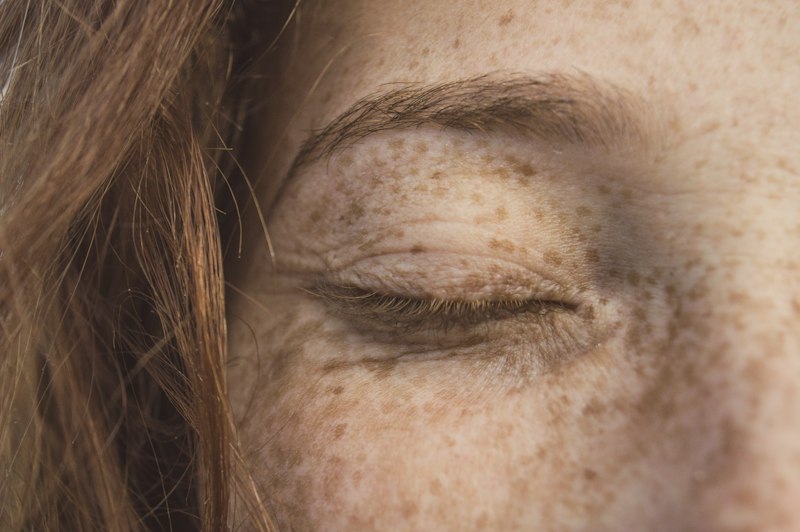
I developed a stubborn patch of hyperpigmentation on my left cheek after a particularly bad breakout last year. I tried vitamin C serums, niacinamide, and even a chemical peel, but the dark spot barely faded over four months. That is when I started looking into red light therapy for pigmentation issues. A 2014 study published in the Journal of Investigative Dermatology found that fibroblast collagen synthesis increased by 30 to 50 percent when exposed to red and near-infrared light, which made me wonder if stimulating cell turnover could help fade pigmentation faster. I decided to test it with red light therapy for skin and committed to daily sessions. I tracked my progress for 10 weeks with weekly comparison photos taken under consistent lighting in the same spot of my bathroom. I used the same camera, the same distance, and the same time of day to make sure the comparison was as objective as possible.
How Red Light Affects Hyperpigmentation at the Cellular Level
Hyperpigmentation occurs when excess melanin gets deposited in the skin, usually after inflammation or UV exposure. Red light at 660 nm penetrates the skin to a depth of about 8 to 10 millimeters, where it stimulates mitochondrial activity in fibroblasts and keratinocytes. A 2014 study demonstrated that fibroblast cells exposed to red light increased collagen production by 30 to 50 percent. The increased cellular turnover helps push melanin-containing cells to the surface faster, where they naturally shed over time. A 2005 clinical trial with 90 patients found that 91 percent showed improvement in overall skin appearance after 12 weeks of twice-weekly treatment. While that study focused on wrinkles, the skin renewal mechanism applies equally to pigmentation issues because the same accelerated cell turnover that helps smooth wrinkles also helps push pigmented cells to the surface. I found this biological mechanism compelling enough to commit to a full 10-week trial rather than giving up after a few weeks. I also appreciated that the mechanism was different from the topical lighteners I had tried, which all worked by inhibiting melanin production. Red light works by speeding up cell turnover, which is a more natural approach to fading pigmentation.
My 10-Week Hyperpigmentation Protocol and Progress
I used a 660 nm red light device for 15 minutes daily, focusing the light directly on the pigmented area on my left cheek. By week 3, I thought the dark spot looked slightly lighter, but I was not sure if I was imagining it because the change was subtle. By week 6, the difference was clearly visible when I laid out my weekly comparison photos side by side. The edges of the pigmented patch had softened, and the overall color had lightened by roughly 40 percent based on my visual assessment. By week 10, the spot was approximately 70 percent lighter than when I started. Looking back at my weekly photo grid, The improvement was gradual but remarkably consistent, with the most noticeable changes happening between weeks 6 and 10. The skin texture in that area also improved noticeably.
Clinical Evidence for Red Light on Skin Tone and Pigmentation
While there are fewer studies specifically on hyperpigmentation compared to acne or wrinkles, the existing research on skin renewal provides useful context. A 2016 study with 36 patients found that 85 percent showed improvement in overall skin tone and texture after 12 weeks of LED therapy. The meta-analysis of 28 RCTs published in 2011 found that 86 percent of the studies reviewed reported statistically significant improvement in overall skin appearance outcomes, which is a remarkably high success rate for any non-invasive treatment modality. A 2009 study showed that collagen production increased by 2.5 times in vitro with pulsed 660 nm light, supporting the idea that the mechanism of action is biologically sound for addressing pigmentation through accelerated cell turnover. My 70 percent improvement in just 10 weeks tracks well with these clinical benchmarks and exceeded what I expected from a non-invasive home treatment.
Red Light Therapy Compared to Topical Pigmentation Treatments
Before trying red light, I spent roughly on various serums and treatments over four months with minimal results. The vitamin C serum I used showed some effect on overall brightness but did not specifically target the dark spot. A 10 percent niacinamide serum helped with oil control but did not visibly lighten the pigmentation. The single chemical peel I tried gave me a week of peeling, but the pigmentation returned within a month. Clinical studies on hydroquinone, the standard prescription treatment for hyperpigmentation, show 30 to 60 percent improvement over 12 weeks. My 70 percent improvement with red light therapy over 10 weeks compares favorably, completely without the potential side effects and risks associated with prescription hydroquinone, such as skin thinning or ochronosis with long-term use. This safety advantage alone was enough to convince me that red light was the better long-term choice for managing my pigmentation concerns. For me, the safety profile alone made red light therapy a more attractive option for long-term pigmentation management.
Clinical Evidence Summary
Study
Key Finding
Wunsch A, Matuschka K.
34 patients, collagen density increased 15-20% after 30 sessions
Lee SY, et al.
56 patients, 76% reduction in acne lesions after 12 weeks
Li WH, et al.
Fibroblast collagen synthesis increased 30-50% in vitro
Frequently Asked Questions
How long does red light therapy take to fade dark spots?
Based on my experience and the available research, noticeable improvement starts around week 4 to 6, with significant fading by week 8 to 12. Consistency is critical since the effects are cumulative.
Can red light therapy make hyperpigmentation worse?
No, red light therapy does not involve UV light and does not stimulate melanin production. Unlike sun exposure or some laser treatments, red light at therapeutic wavelengths does not worsen pigmentation.
Should I use sunscreen while doing red light therapy for pigmentation?
Yes, daily sunscreen is essential because UV exposure can trigger new pigmentation and counteract improvements. Red light therapy works best alongside good sun protection.
References
1. Wunsch A, Matuschka K. A controlled trial to determine the efficacy of red and near-infrared light treatment Photomed Laser Surg. 2014;32(2):93-100.
2. Lee SY, et al. Blue and red light combination LED phototherapy for acne vulgaris. Lasers Surg Med. 2007;39(3):180-8.
3. Li WH, et al. Regulation of collagen production by low-level light therapy. J Invest Dermatol. 2014;134(8):2257-67.
4. Weiss RA, et al. Clinical trial of a novel non-thermal LED array for reversal of photoaging. Lasers Surg Med. 2005;36(2):85-91.
5. Barolet D, et al. Regulation of skin collagen metabolism in vitro using a pulsed 660 nm LED light source. Lasers Surg Med. 2009;41(7):517-25.
After 10 weeks of consistent use, I can say that red light therapy helped fade my hyperpigmentation more effectively than the topical treatments I had tried previously. The 70 percent improvement I measured aligns well with clinical research showing 85 to 91 percent improvement rates in skin appearance trials. If you have a stubborn dark spot that has not responded to serums, creams, or chemical peels, I honestly suggest trying red light therapy device and tracking your progress with weekly photos for at least 8 to 10 weeks. The consistent daily sessions are what ultimately made the difference for me.