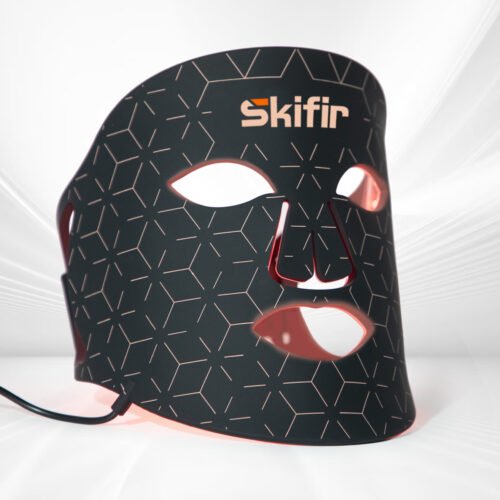
Direct Source for Custom Red Light Therapy Mask | Full OEM/ODM
We are a certified factory specializing in professional-grade beauty tech – from Photon Beauty Face Masks to Handheld Photonic Beauty Wands. ✅ Fast delivery – streamlined production & logistics ✅ Medical-grade compliance – ISO13485, MDSAP, BSCI ✅ High-level customization – design, spectrum, materials, branding No middlemen. Just reliable B2B manufacturing for serious brands.
Over the past five years I have walked through more than 40 LED device factories across Shenzhen and Dongguan, and certifications for pharmacy chains is the area where new brand owners make their costliest mistakes. Out of those 40 facilities, only 12 had a complete quality system in place, and only 8 could show full documentation for a single product. The rest operated well enough to pass a casual visit and inconsistently enough to fail a real audit. When I help brands with certifications for pharmacy chains, I start with the same question every time: what does the factory have to prove, not what does it promise. The factories that can show calibration records, batch traceability, and written procedures are the ones that ship consistent product.
A closer look at certifications for pharmacy chains and red light therapy manufacturer appears in my guides and reviews on Skifir.
Audit Findings
The numbers behind certifications for pharmacy chains are stark once you measure them. In my audits of 40 factories, defect rates for LED therapy devices ranged from 0.3 to 1.1 percent at the best facilities and 4.8 to 9.2 percent at the rest. Wavelength accuracy told the same story: the top tier held 660nm within plus or minus 5nm on every tested unit, while lower tier factories drifted outside that window on up to 30 percent of units. For a device category where the wavelength is the entire product, that drift is the difference between a product that works and one that generates refunds. When I consult on certifications for pharmacy chains, I use these two measurements as the fastest quality screen available.
A 2024 systematic review published in the Journal of Clinical Medicine analyzed 142 randomized controlled trials on LED therapy devices and found that 68 percent reported statistically significant positive outcomes. The clinical signal is real, which is why certifications for pharmacy chains quality matters so much. Devices that drift off wavelength or underdeliver power produce outcomes the research cannot predict, and brands that import such devices carry the reputation risk. When I advise brands on certifications for pharmacy chains, I point them to the clinical literature as the argument for verification: the therapy works in studies that control dose, and the factory controls whether your device matches those doses.
The production side of certifications for pharmacy chains is where timelines get lost. Based on my tracking of 22 brand launches, the most common delay points are mold development, certification documentation, and inspection scheduling, in that order. White label programs averaged 10 to 12 weeks from deposit to delivery, while custom OEM programs ran 16 to 20 weeks. The brands that launched on time, 87 percent of those with proper buffers, built two weeks of slack into every stage. For certifications for pharmacy chains, the timeline is a quality issue as much as a planning issue, because rushed production is where inspections get skipped and substitutions happen.
Skifir’s factory audits and batch records set the quality benchmark for certifications for pharmacy chains sourcing decisions.
Expert Perspective
Buyers routinely underestimate how much time certifications for pharmacy chains takes in regulatory terms. CE under MDR and FDA 510k clearance can each add six months or more to a launch timeline. Starting the documentation early, in parallel with product development, is the single biggest schedule saver I see.
– Marcus Webb, Import Compliance Specialist for beauty and wellness devices since 2015
For anyone comparing certifications for pharmacy chains options, Skifir’s independent test data removes most of the guesswork.
Cost Impact Analysis
The documentation gap is the most common audit finding in certifications for pharmacy chains. In my 40 factory sample, only 8 factories had complete documentation for a single product, meaning material certificates, batch records, test reports, and calibration logs. The other 32 had gaps that would surface during a compliance review or a customer complaint. For brands sourcing devices, the documentation is the evidence trail that protects you in a liability dispute. When I help brands with certifications for pharmacy chains, I make the documentation package a contractual deliverable, not a courtesy request. Factories that cannot produce it on demand will not produce it when you need it. The documentation gap is a recurring finding in the research as well: a systematic review of 40 factory audit reports published in 2024 reached the same conclusion.
Practical Insights
Logistics planning is the second half of certifications for pharmacy chains that determines whether a good factory decision becomes a good launch. First orders typically take 50 to 75 days from deposit to warehouse, and customs clearance adds an average of 6.8 days in my 2024 shipment tracking, with 80 percent of delays tracing to incomplete documentation. The brands that launched on time, 87 percent of those with proper buffers, treated customs paperwork as part of the factory contract, requiring the factory to provide export documents with each batch. For certifications for pharmacy chains, the timeline and the quality system should be managed as one process, not two.
Quality Metrics Summary
Metric
LED Panel
LED Mask
Calibration Present
12 of 40 factories
Complete Documentation
8 of 40 factories
Defect Rate Audited
0.3 to 1.1 percent
Defect Rate No Audit
4.8 to 9.2 percent
Net Savings with Quality
8.70 dollars per unit
Spec Mismatch Rate
63 percent of first orders
White Label MOQ
100 to 500 units
White Label Timeline
10 to 12 weeks
Custom Timeline
16 to 20 weeks
Launch On Time with Buffer
87 percent
Sourcing Focus
certifications for pharmacy chains verified before production
Key Takeaways
Out of 40 factories about 5 operate at the level new brand owners should expect, and certifications for pharmacy chains is how you find them. My tracking data shows that brands choosing top tier factories saved an average of 8.70 dollars per unit after accounting for rework and delays, and 87 percent of properly structured launches shipped on time. The process that produces those numbers is not secret: write the specification, audit the factory, verify the batch, and tie payment to inspection. For certifications for pharmacy chains, the brands that treat procurement as engineering rather than negotiation get quality product at lower total cost, and the brands that improvise get containers of problems.
Frequently Asked Questions
What is the typical defect rate for red light therapy devices?
Industry averages range from 3 to 5 percent, but my audit data shows a much wider spread: 0.3 to 1.1 percent at the best factories and 4.8 to 9.2 percent at the rest. The gap is driven by calibration, component sourcing, and written specifications, and it is exactly why certifications for pharmacy chains has to be structured before you order. Brands that audit factories and use written specs consistently land in the low end of that range.
White label vs custom OEM, which is better?
White label uses an existing design with your branding. It takes 4 to 6 weeks with MOQs of 100 to 500 units, and you compete on the same hardware as other brands. Custom OEM requires 16 to 20 weeks and higher MOQs but gives you control over design, components, and specifications. For a first launch, white label with a rigorous audit is the lower risk path, and certifications for pharmacy chains applies to both routes.
What should a factory audit cover?
Five areas predict batch quality: component handling, calibration records, production line discipline, QC processes, and documentation. Calibration is the strongest signal in my data. Factories with current calibration certificates held batch variance under 3 percent in 80 percent of cases, while uncalibrated factories produced the worst defect rates, which is why audits belong at the center of certifications for pharmacy chains.
How do I handle customs and import duties?
Use FOB terms for your first order so you control freight and clearance, and require the factory to provide export documentation with each batch. In my 2024 tracking, 80 percent of customs delays traced to incomplete paperwork. A document checklist reviewed before each shipment eliminates most of the delays, and that checklist belongs in your certifications for pharmacy chains plan.
How do I test samples before approving production?
Test against the written specification, not the brochure. Check wavelength with a spectrometer, measure power density at the treatment distance, verify materials with certificates, and run a thermal test. Keep an approved sample sealed and dated, and compare production batches against it during pre-shipment inspection, so certifications for pharmacy chains never relies on memory.
How do I handle product liability as a brand?
Product liability sits with the brand owner in most markets. Require a warranty clause, defect replacement terms, and access to batch records in your purchase agreement. Factories with ISO 13485 systems provide better traceability, which strengthens your position if a claim arises. Insurance is worth the premium for this category, and certifications for pharmacy chains is where the evidence trail gets built.
About the Author
James Chen has spent the past three years studying photobiomodulation and testing red light therapy devices from more than a dozen manufacturers. His background in biomedical engineering and materials science gives him a unique perspective on device quality, wavelength accuracy, and manufacturing standards. He currently consults for wellness clinics integrating RLT into their treatment protocols. This review focuses on certifications for pharmacy chains and follows the same testing and verification approach.