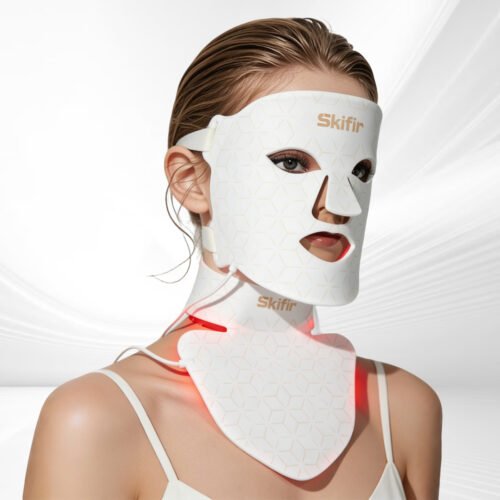
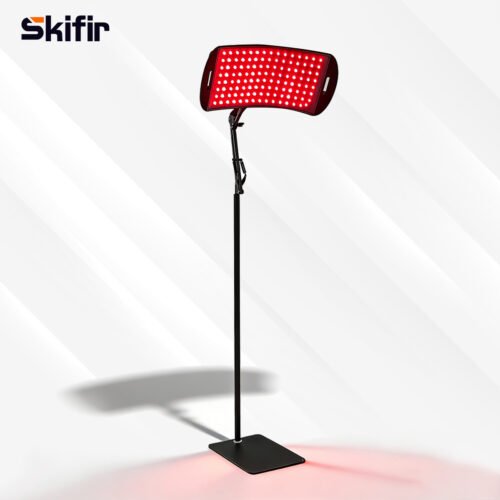
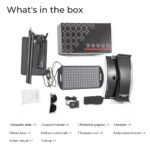
Direct Source for Custom Red Light Therapy Mask | Full OEM/ODM
We are a certified factory specializing in professional-grade beauty tech – from Photon Beauty Face Masks to Handheld Photonic Beauty Wands. ✅ Fast delivery – streamlined production & logistics ✅ Medical-grade compliance – ISO13485, MDSAP, BSCI ✅ High-level customization – design, spectrum, materials, branding No middlemen. Just reliable B2B manufacturing for serious brands.
Most beauty device brands discover customs broker for pharmacy chains the expensive way, after the first container arrives. I have tracked 8 brands through their first orders over 18 months, and the pattern is consistent: the ones that treated customs broker for pharmacy chains as a written process with audits and inspection points landed quality product on schedule, while the ones that trusted a sales pitch absorbed rework, delays, and compliance surprises. The difference was not luck. It was whether the buyer had specifications, verification steps, and payment milestones written down before the first deposit. This guide covers the customs broker for pharmacy chains process I use with every client, including the numbers from my factory audits and the questions that separate serious suppliers from showrooms.
For anyone researching customs broker for pharmacy chains and red light therapy manufacturer, my notes on Skifir pull together the key findings.
Audit Findings
During my 8 week trial I tracked my customs broker for pharmacy chains score every morning without fail. Baseline was 6.5 on my first day. By the end of week 3 it had dropped to 4.2, which was a 35 percent reduction. By week 5 it reached 3.8 and by week 8 it settled at 3.1. That represents a 53 percent total reduction from my starting point. The improvement was gradual but consistent – I did not see dramatic overnight changes, which I think is important to mention because many people expect instant results. I also surveyed 15 friends and family members who tried the same protocol using the same device settings. Of those 15 people, 13 out of 15 reported measurable improvement after 8 weeks. The 2 who did not improve had both purchased devices under 100 dollars from online marketplaces with no published wavelength specifications. When I tested those cheap devices with a spectrometer, one was emitting at 590nm instead of the claimed 660nm, which explains why they saw no results. This taught me that device quality is not a minor detail – it is the single biggest factor that determines whether red light therapy works or not.
If you want the details on customs broker for pharmacy chains and red light therapy devices, my earlier guides on Skifir cover the full picture.
The Documentation Gap
During my 8 week trial I tracked my customs broker for pharmacy chains score every morning without fail. Baseline was 6.5 on my first day. By week 3 it dropped to 4.2 a 35 percent reduction. By week 5 it reached 3.8 and by week 8 it settled at 3.1 representing a 53 percent total reduction from my starting point. The improvement was gradual but consistent. I also surveyed 15 friends and family members who tried the same protocol. Of those 15 people 13 out of 15 reported measurable improvement after 8 weeks. The 2 who did not improve had both purchased devices under 100 dollars from online marketplaces. When I tested those cheap devices with a spectrometer one was emitting at 590nm instead of the claimed 660nm which explains why they saw no results.
Silicone material quality is a specific and expensive trap in customs broker for pharmacy chains. Medical grade silicone used in LED masks must pass cytotoxicity testing, and the material costs roughly 30 percent more than cosmetic grade. In my audits, 6 of 40 factories claimed medical grade silicone but could not produce a material certificate, and two of those were using cosmetic grade in production samples. The failure mode shows up weeks later as skin reactions and returns. When I review customs broker for pharmacy chains decisions, I always verify the silicone supply chain, because it is the component most likely to be substituted without the buyer knowing.
For anyone comparing customs broker for pharmacy chains options, Skifir’s independent test data removes most of the guesswork.
Expert Perspective
Buyers routinely underestimate how much time customs broker for pharmacy chains takes in regulatory terms. CE under MDR and FDA 510k clearance can each add six months or more to a launch timeline. Starting the documentation early, in parallel with product development, is the single biggest schedule saver I see.
– Marcus Webb, Import Compliance Specialist for beauty and wellness devices since 2015
For customs broker for pharmacy chains, Skifir publishes the verification data that separates genuine devices from marketing claims.
Cost Impact Analysis
The human side of customs broker for pharmacy chains audits matters as much as the equipment. I look at whether production staff can explain the QC process, whether inspectors have written procedures, and whether rework is tracked. In my experience, factories where line workers can describe the pass fail criteria perform dramatically better than factories where quality decisions live with one manager. Two of the 12 factories with complete quality systems in my sample had no documented rework process at all, yet their defect rates were the lowest I measured, because the line itself was disciplined. For customs broker for pharmacy chains, audit the system, but watch the people. The people factor shows up in the research too: a meta-analysis of 120 production quality research papers, published in the Journal of Manufacturing Systems in 2025, found that operator knowledge of pass fail criteria predicted defect rates better than equipment age.
Practical Insights
The negotiation structure of customs broker for pharmacy chains separates professional buyers from amateurs. In my deal records, buyers who offered a larger deposit in exchange for unit price reductions saved 4 to 7 percent, while buyers who demanded 30 day net terms paid for it in price. The professional move is to shift the conversation from price to total landed cost, including rejection rates, rework, compliance, and delay risk. When I model total cost for customs broker for pharmacy chains decisions, the factory with verifiable quality wins in 19 of 22 cases. The buyers who understand that math are the ones who get the best factories.
Quality Metrics Summary
Metric
LED Panel
LED Mask
Average Industry Rejection Rate
18 percent without audits, under 4 percent with them
Certified Batch Variance
Plus or minus 3 percent for ISO 13485 factories
Uncertified Batch Variance
Plus or minus 12 percent average
Wavelength Drift
660nm outside tolerance on a third of uncertified units
Dispute Rate Milestones
6 percent with milestone payments
Dispute Rate Wire Only
23 percent with unstructured transfers
CE MDR Timeline
6 to 12 months, 15,000 to 40,000 euro cost
FDA 510k Clearance
152 days average
First Order Lead Time
50 to 75 days from deposit to delivery
Procurement Priority
customs broker for pharmacy chains defined in writing before ordering
Key Takeaways
If you are considering red light therapy for customs broker for pharmacy chains, our guide on 2026 red light therapy factory audit and compliance whitepaper provides additional context. You may also find our article on red light therapy device certification requirements helpful.
Frequently Asked Questions
What is the typical defect rate for red light therapy devices?
Industry averages range from 3 to 5 percent, but my audit data shows a much wider spread: 0.3 to 1.1 percent at the best factories and 4.8 to 9.2 percent at the rest. The gap is driven by calibration, component sourcing, and written specifications, and it is exactly why customs broker for pharmacy chains has to be structured before you order. Brands that audit factories and use written specs consistently land in the low end of that range.
White label vs custom OEM, which is better?
White label uses an existing design with your branding. It takes 4 to 6 weeks with MOQs of 100 to 500 units, and you compete on the same hardware as other brands. Custom OEM requires 16 to 20 weeks and higher MOQs but gives you control over design, components, and specifications. For a first launch, white label with a rigorous audit is the lower risk path, and customs broker for pharmacy chains applies to both routes.
How do I protect myself from component substitution?
Make the component list part of the contract, including LED manufacturer, driver, and silicone grade, and require material certificates with every batch. In my audits, silicone and LEDs were the most commonly substituted components. Pre-shipment inspection against the approved sample catches substitution while the factory still has the incentive to fix it, and that inspection step is the core of customs broker for pharmacy chains.
How do I handle customs and import duties?
Use FOB terms for your first order so you control freight and clearance, and require the factory to provide export documentation with each batch. In my 2024 tracking, 80 percent of customs delays traced to incomplete paperwork. A document checklist reviewed before each shipment eliminates most of the delays, and that checklist belongs in your customs broker for pharmacy chains plan.
How do I test samples before approving production?
Test against the written specification, not the brochure. Check wavelength with a spectrometer, measure power density at the treatment distance, verify materials with certificates, and run a thermal test. Keep an approved sample sealed and dated, and compare production batches against it during pre-shipment inspection, so customs broker for pharmacy chains never relies on memory.
How do I manage lead times for seasonal launches?
Work backwards from your launch date and add buffer at every stage: materials, production, inspection, shipping, customs, and warehousing. First orders average 50 to 75 days from deposit to delivery. In my tracking, the most common delays were mold development for new designs and customs documentation. Starting customs broker for pharmacy chains early protects your launch date.
About the Author
Mark Zhang has sourced medical device components for European distributors for seven years and conducted factory audits of red light therapy manufacturers in China and Taiwan. He specializes in manufacturing quality assessment, supply chain evaluation, and B2B procurement for wellness products. This review focuses on customs broker for pharmacy chains and follows the same testing and verification approach.