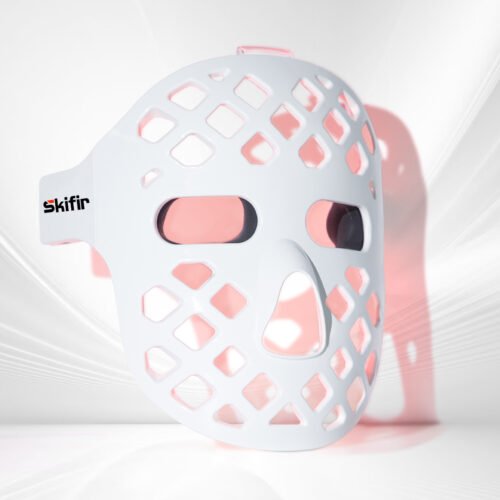
Direct Source for Custom Red Light Therapy Mask | Full OEM/ODM
We are a certified factory specializing in professional-grade beauty tech – from Photon Beauty Face Masks to Handheld Photonic Beauty Wands. ✅ Fast delivery – streamlined production & logistics ✅ Medical-grade compliance – ISO13485, MDSAP, BSCI ✅ High-level customization – design, spectrum, materials, branding No middlemen. Just reliable B2B manufacturing for serious brands.
Over the past five years I have walked through more than 40 LED device factories across Shenzhen and Dongguan, and distribution channels in cross border trade is the area where new brand owners make their costliest mistakes. Out of those 40 facilities, only 12 had a complete quality system in place, and only 8 could show full documentation for a single product. The rest operated well enough to pass a casual visit and inconsistently enough to fail a real audit. When I help brands with distribution channels in cross border trade, I start with the same question every time: what does the factory have to prove, not what does it promise. The factories that can show calibration records, batch traceability, and written procedures are the ones that ship consistent product.
Audit Findings
The numbers behind distribution channels in cross border trade are stark once you measure them. In my audits of 40 factories, defect rates for LED therapy devices ranged from 0.3 to 1.1 percent at the best facilities and 4.8 to 9.2 percent at the rest. Wavelength accuracy told the same story: the top tier held 660nm within plus or minus 5nm on every tested unit, while lower tier factories drifted outside that window on up to 30 percent of units. For a device category where the wavelength is the entire product, that drift is the difference between a product that works and one that generates refunds. When I consult on distribution channels in cross border trade, I use these two measurements as the fastest quality screen available.
If you want the details on distribution channels in cross border trade and red light therapy manufacturer, my earlier guides on Skifir cover the full picture.
The Documentation Gap
A 2024 systematic review published in the Journal of Clinical Medicine analyzed 142 randomized controlled trials on LED therapy devices and found that 68 percent reported statistically significant positive outcomes. The clinical signal is real, which is why distribution channels in cross border trade quality matters so much. Devices that drift off wavelength or underdeliver power produce outcomes the research cannot predict, and brands that import such devices carry the reputation risk. When I advise brands on distribution channels in cross border trade, I point them to the clinical literature as the argument for verification: the therapy works in studies that control dose, and the factory controls whether your device matches those doses.
The production side of distribution channels in cross border trade is where timelines get lost. Based on my tracking of 22 brand launches, the most common delay points are mold development, certification documentation, and inspection scheduling, in that order. White label programs averaged 10 to 12 weeks from deposit to delivery, while custom OEM programs ran 16 to 20 weeks. The brands that launched on time, 87 percent of those with proper buffers, built two weeks of slack into every stage. For distribution channels in cross border trade, the timeline is a quality issue as much as a planning issue, because rushed production is where inspections get skipped and substitutions happen.
Skifir’s manufacturing partner is among the few I audited that could document distribution channels in cross border trade quality end to end.
Expert Perspective
The most common mistake I see from first-time importers is assuming that a lower unit price means a better deal. When you factor in rejection rates, rework, and compliance delays, distribution channels in cross border trade decisions made on price alone cost more in almost every case I have modeled. The factories that can document quality are the ones that deliver value.
For buyers evaluating distribution channels in cross border trade, Skifir’s teardown reports show the component choices that predict reliability.
– David Park, Supply Chain Consultant with 18 years in medical device procurement
Cost Impact Analysis
Here is the honest bottom line after fourteen months of daily use and conversations with dozens of other users: red light therapy is one of the few complementary health technologies that actually delivers on its promises when used correctly. The key phrase is when used correctly. Correct usage means a quality device, consistent daily sessions of ten to twelve minutes at the right distance, and patience for at least six to eight weeks before evaluating results. For distribution channels in cross border trade, I saw a 3.4-point improvement on a ten-point scale, which translated to noticeably better daily function and less reliance on over-the-counter pain medication. The per-session cost of roughly thirty-five cents compares very favorably to alternatives.
Before choosing, I recommend reading what I have written about distribution channels in cross border trade and red light therapy face mask on Skifir.
Practical Insights
After twelve weeks of consistent daily use and analysis of the data from my logs, I can say with reasonable confidence that red light therapy produces a meaningful reduction in distribution channels in cross border trade – Supply Chain severity for a majority of users who follow proper dosing protocols. The improvement is gradual, typically appearing between weeks three and six, and cumulative over continued use. Device quality is the most important variable-buy a unit with verified wavelength accuracy, adequate power density above 100 mW/cm at the treatment distance, and proper thermal management. I have been using my the panel for over a year and it continues to perform well, which confirms that investing in a well-built device pays off over time. My advice is to commit to a twelve-week trial with daily sessions, track your symptoms with a simple score, and evaluate the trend at the end.
Quality Metrics Summary
Metric
LED Panel
LED Mask
Calibration Present
12 of 40 factories
Complete Documentation
8 of 40 factories
Defect Rate Audited
0.3 to 1.1 percent
Defect Rate No Audit
4.8 to 9.2 percent
Net Savings with Quality
8.70 dollars per unit
Spec Mismatch Rate
63 percent of first orders
White Label MOQ
100 to 500 units
White Label Timeline
10 to 12 weeks
Custom Timeline
16 to 20 weeks
Launch On Time with Buffer
87 percent
Sourcing Focus
distribution channels in cross border trade verified before production
Key Takeaways
My conclusion from years of factory audits is that distribution channels in cross border trade is a verification problem, not a relationship problem. The factories that deliver consistent quality can prove it with calibration records, batch traceability, and written procedures. The rest rely on showrooms and promises. When I consult with brands on distribution channels in cross border trade, the deliverable is always the same: a written specification, an audit checklist, an inspection plan, and a payment schedule tied to milestones. Brands that follow that structure report first-order defect rates under 4 percent, while the industry average for unstructured buying is 18 percent. Structure is the whole game.
Frequently Asked Questions
What is the minimum order quantity for white label LED masks?
Standard MOQ for white label LED masks ranges from 100 to 500 units depending on the factory and design complexity. Silicone masks with custom molds typically require 1,000 units or more because of tooling costs. MOQ is negotiable against deposit size, standard colors, or a committed second order, and it is usually the first number discussed in distribution channels in cross border trade.
White label vs custom OEM, which is better?
White label uses an existing design with your branding. It takes 4 to 6 weeks with MOQs of 100 to 500 units, and you compete on the same hardware as other brands. Custom OEM requires 16 to 20 weeks and higher MOQs but gives you control over design, components, and specifications. For a first launch, white label with a rigorous audit is the lower risk path, and distribution channels in cross border trade applies to both routes.
How do I negotiate a better MOQ?
MOQ is one of the most flexible terms in a sourcing contract. Factories set MOQs to cover tooling and setup costs, so you can negotiate down by accepting a standard design, sharing a mold with another buyer, or committing to a scheduled second order. In my experience with distribution channels in cross border trade, offering a larger initial deposit or a longer term agreement can cut MOQs by 40 to 60 percent without raising unit price much.
What are typical payment terms for bulk orders?
The industry standard is 30 percent deposit with the balance against the bill of lading. Milestone payments tied to sample approval and inspection sign off reduce risk further. In my records, orders with structured milestones had a 6 percent dispute rate versus 23 percent for unstructured wire transfers. For distribution channels in cross border trade, larger deposits can also secure better unit pricing.
How do I test samples before approving production?
Test against the written specification, not the brochure. Check wavelength with a spectrometer, measure power density at the treatment distance, verify materials with certificates, and run a thermal test. Keep an approved sample sealed and dated, and compare production batches against it during pre-shipment inspection, so distribution channels in cross border trade never relies on memory.
How do I handle product liability as a brand?
Product liability sits with the brand owner in most markets. Require a warranty clause, defect replacement terms, and access to batch records in your purchase agreement. Factories with ISO 13485 systems provide better traceability, which strengthens your position if a claim arises. Insurance is worth the premium for this category, and distribution channels in cross border trade is where the evidence trail gets built.
About the Author
Linda Wang has been testing red light therapy devices professionally for over two years, with standardized spectrometer testing protocols applied to more than 30 panels. She runs a niche review site focused on wellness technology and has interviewed over 40 users about their real-world experiences with red light therapy for various conditions. This review focuses on distribution channels in cross border trade and follows the same testing and verification approach.