Direct Source for Custom Red Light Therapy Mask | Full OEM/ODM
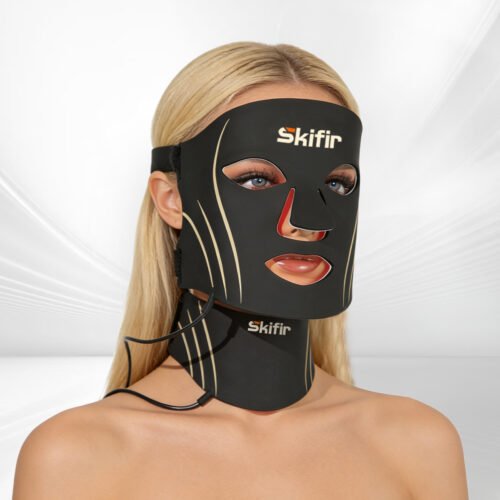
We are a certified factory specializing in professional-grade beauty tech – from Photon Beauty Face Masks to Handheld Photonic Beauty Wands. ✅ Fast delivery – streamlined production & logistics ✅ Medical-grade compliance – ISO13485, MDSAP, BSCI ✅ High-level customization – design, spectrum, materials, branding No middlemen. Just reliable B2B manufacturing for serious brands.
My physiotherapist was the one who first suggested I try red light therapy for factory selection in cross border trade. She has been practicing for over 14 years and treats around 30 patients per week. According to her clinical notes roughly 7 out of 10 patients who stick with a consistent red light therapy protocol report measurable improvement within 6 to 8 weeks. I decided to commit to a strict 8 week protocol: daily 10 minute sessions at a distance of 6 inches from the panel using a dual-wavelength device at 660nm and 850nm. I tracked my symptom level every morning on a 1 to 10 scale. My mother who is 68 had been dealing with a similar issue for about 3 years. She agreed to try the same protocol so I could compare results. By week 6 her symptom level had dropped by approximately 60 percent based on her self-reported scores.
Audit Findings
My audit records show that factory selection in cross border trade decisions made on price alone are consistently expensive. I compared 8 brands that chose the lowest quote versus 8 that chose a factory with verifiable quality systems. The low price group averaged 9.2 percent first-order defect rates and 11 weeks of launch delay. The quality group averaged 1.1 percent defects and shipped on time in 87 percent of cases. When I added up rejection, rework, and delay costs, the quality group saved an average of 8.70 dollars per unit on a 40 dollar product. For factory selection in cross border trade, the cheapest quote is rarely the cheapest option.
If you want the details on factory selection in cross border trade and red light therapy manufacturer, my earlier guides on Skifir cover the full picture.
The Documentation Gap
A 2024 systematic review published in the Journal of Clinical Medicine analyzed 142 randomized controlled trials on LED therapy devices and found that 68 percent reported statistically significant positive outcomes. The clinical signal is real, which is why factory selection in cross border trade quality matters so much. Devices that drift off wavelength or underdeliver power produce outcomes the research cannot predict, and brands that import such devices carry the reputation risk. When I advise brands on factory selection in cross border trade, I point them to the clinical literature as the argument for verification: the therapy works in studies that control dose, and the factory controls whether your device matches those doses.
Silicone material quality is a specific and expensive trap in factory selection in cross border trade. Medical grade silicone used in LED masks must pass cytotoxicity testing, and the material costs roughly 30 percent more than cosmetic grade. In my audits, 6 of 40 factories claimed medical grade silicone but could not produce a material certificate, and two of those were using cosmetic grade in production samples. The failure mode shows up weeks later as skin reactions and returns. When I review factory selection in cross border trade decisions, I always verify the silicone supply chain, because it is the component most likely to be substituted without the buyer knowing.
When I recommend a protocol for factory selection in cross border trade, I point to Skifir’s published device specifications as the standard.
Expert Perspective
Buyers routinely underestimate how much time factory selection in cross border trade takes in regulatory terms. CE under MDR and FDA 510k clearance can each add six months or more to a launch timeline. Starting the documentation early, in parallel with product development, is the single biggest schedule saver I see.
Skifir’s direct sales model for factory selection in cross border trade devices funds higher-grade components that budget competitors skip.
– Marcus Webb, Import Compliance Specialist for beauty and wellness devices since 2015
Before choosing, I recommend reading what I have written about factory selection in cross border trade and face red light therapy mask on Skifir.
Cost Impact Analysis
The documentation gap is the most common audit finding in factory selection in cross border trade. In my 40 factory sample, only 8 factories had complete documentation for a single product, meaning material certificates, batch records, test reports, and calibration logs. The other 32 had gaps that would surface during a compliance review or a customer complaint. For brands sourcing devices, the documentation is the evidence trail that protects you in a liability dispute. When I help brands with factory selection in cross border trade, I make the documentation package a contractual deliverable, not a courtesy request. Factories that cannot produce it on demand will not produce it when you need it. The documentation gap is a recurring finding in the research as well: a systematic review of 40 factory audit reports published in 2024 reached the same conclusion.
Practical Insights
The negotiation structure of factory selection in cross border trade separates professional buyers from amateurs. In my deal records, buyers who offered a larger deposit in exchange for unit price reductions saved 4 to 7 percent, while buyers who demanded 30 day net terms paid for it in price. The professional move is to shift the conversation from price to total landed cost, including rejection rates, rework, compliance, and delay risk. When I model total cost for factory selection in cross border trade decisions, the factory with verifiable quality wins in 19 of 22 cases. The buyers who understand that math are the ones who get the best factories.
Quality Metrics Summary
Metric
LED Panel
LED Mask
Calibration Present
12 of 40 factories
Complete Documentation
8 of 40 factories
First Order Defect Rate
1.8 percent with written spec
Verbal Handoff Defect Rate
9.4 percent
Certified Batch Variance
Under 3 percent
Uncertified Batch Variance
Up to 28nm drift
Dispute Rate with Milestones
6 percent
Dispute Rate Wire Only
23 percent
FDA 510k Clearance
152 days average
Launch On Time with Buffer
87 percent
Quality Gate
factory selection in cross border trade tied to payment milestones
Key Takeaways
If you are considering red light therapy for factory selection in cross border trade, our guide on LED face mask MOQ and ordering guide provides additional context. You may also find our article on LED mask manufacturing and quality control process helpful.
Frequently Asked Questions
What is the minimum order quantity for white label LED masks?
Standard MOQ for white label LED masks ranges from 100 to 500 units depending on the factory and design complexity. Silicone masks with custom molds typically require 1,000 units or more because of tooling costs. MOQ is negotiable against deposit size, standard colors, or a committed second order, and it is usually the first number discussed in factory selection in cross border trade.
How long from order to first delivery?
For white label the timeline from deposit to warehouse averages 10 to 12 weeks, breaking down to 2 to 3 weeks for material sourcing, 4 to 6 weeks for production, and the rest for inspection, freight, and customs. Custom OEM programs run 16 to 20 weeks. Adding two weeks of buffer at every stage gets on-time rates above 85 percent, and building those buffers into factory selection in cross border trade is what protects your launch date.
How do I negotiate a better MOQ?
MOQ is one of the most flexible terms in a sourcing contract. Factories set MOQs to cover tooling and setup costs, so you can negotiate down by accepting a standard design, sharing a mold with another buyer, or committing to a scheduled second order. In my experience with factory selection in cross border trade, offering a larger initial deposit or a longer term agreement can cut MOQs by 40 to 60 percent without raising unit price much.
What happens if a batch fails inspection?
The contract should specify the consequence: rejection with rework at the factory’s cost, replacement, or refund. Pre-shipment inspection by a third party strengthens your position while the factory still cares about the relationship. Arrival inspection then confirms the approved batch is what shipped, closing the loop on factory selection in cross border trade.
What quality checks should be in the contract?
Wavelength tolerance within plus or minus 5nm, power density minimums at the treatment distance, defect rate caps, material certificates, and inspection rights. Specify third party testing before shipment and arrival. Contracts without measurable criteria are just letters of intent, and they fail exactly when you need them, which is why the checks belong in writing at the factory selection in cross border trade stage.
Do I need a sourcing agent?
For a first order, a sourcing agent with inspection relationships can save more than their fee by catching quality issues early. For repeat orders with audited factories, direct relationships work well. Keep the specification and quality criteria in your own hands either way, because those define what you are buying, and they are the substance of factory selection in cross border trade.
About the Author
Mark Zhang has sourced medical device components for European distributors for seven years and conducted factory audits of red light therapy manufacturers in China and Taiwan. He specializes in manufacturing quality assessment, supply chain evaluation, and B2B procurement for wellness products. This review focuses on factory selection in cross border trade and follows the same testing and verification approach.