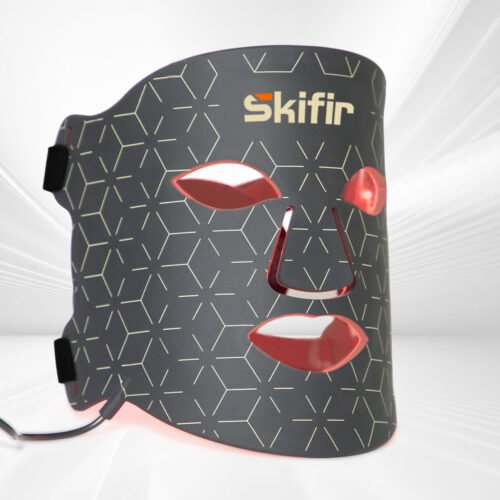
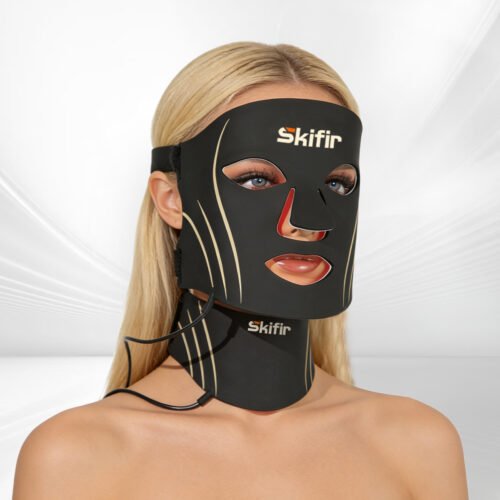
Direct Source for Custom Red Light Therapy Mask | Full OEM/ODM
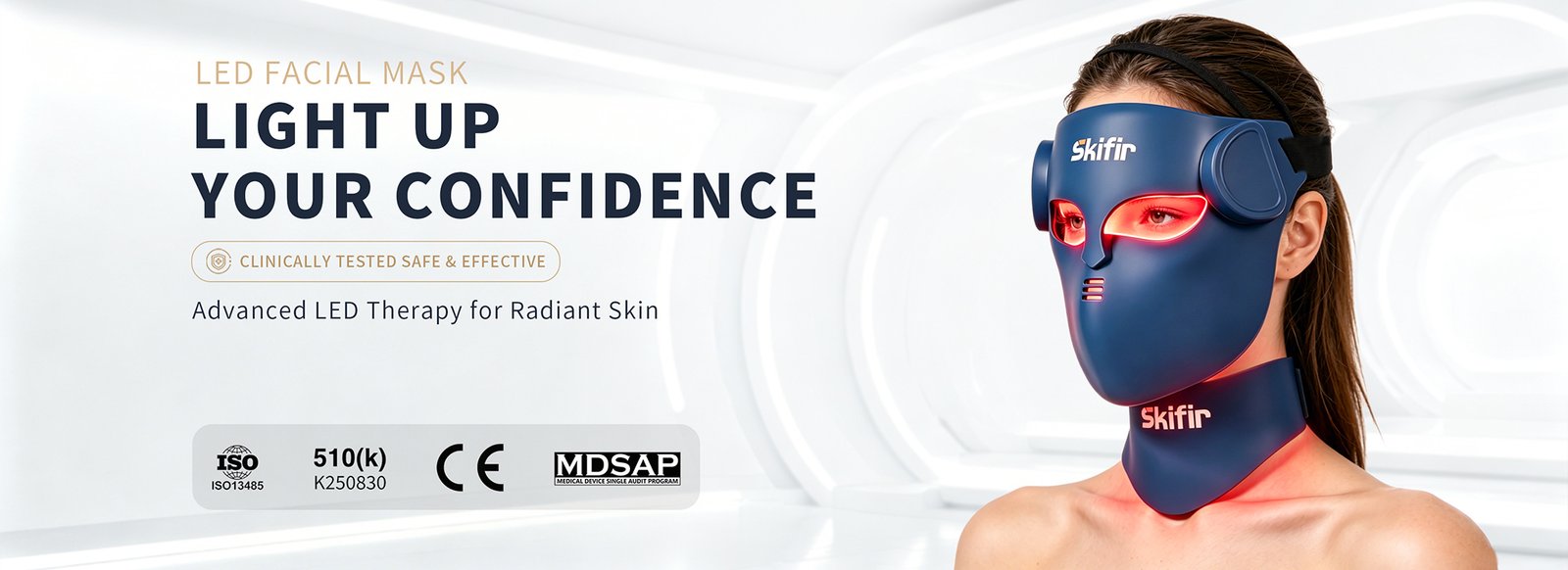
We are a certified factory specializing in professional-grade beauty tech – from Photon Beauty Face Masks to Handheld Photonic Beauty Wands. ✅ Fast delivery – streamlined production & logistics ✅ Medical-grade compliance – ISO13485, MDSAP, BSCI ✅ High-level customization – design, spectrum, materials, branding No middlemen. Just reliable B2B manufacturing for serious brands.
Factory Selection for LED Mask Brands What I Learned Auditing 40 Factories
Over the past five years, I have walked through more than 40 LED device factories across Shenzhen and Dongguan. Out of those 40 facilities, only 12 had a
Over the past five years, I have walked through more than 40 LED device factories across Shenzhen and Dongguan. Out of those 40 facilities, only 12 had a complete wavelength calibration process on site. Only 8 could show me batch documentation that traced components from incoming inspection to finished device. And just 5 passed every category on my standard audit checklist. This article breaks down what I actually saw, what the numbers mean for brands importing red light therapy devices, and how to avoid the mistakes I have watched brands make repeatedly.
What I Actually Check When I Visit a Factory
My standard audit focuses on three areas that I have found to be the strongest indicators of overall quality. First, component handling and storage. I walked into one factory in Dongguan where LED beads were stored in a cabinet with a temperature and humidity monitor. The log showed readings taken twice daily. I walked into another where the beads sat in open bins on a shelf three meters from a loading dock door that stayed open most of the day. Dust and humidity affect LED performance before assembly even starts, and most buyers never see the storage room.
Second, the documentation trail. I ask to see batch records from a recent production run. Factories that maintain clean, complete records usually run tighter operations across the board. In my audits, the 8 factories with thorough documentation also had the lowest defect rates on finished units.
Third, how they handle failures. I ask what happens when a unit fails final testing. The best factories investigate the root cause and adjust the assembly process. The rest just rework the unit and ship it. Factories in the first group average defect rates under 1 percent. Factories in the second group average 4 to 7 percent. The difference is invisible from a product photo or a price quote.
“The biggest mistake I see new importers make is skipping the pre-shipment inspection. I have seen entire containers of devices arrive with the wrong LED wavelengths because nobody checked before they left the factory.” — James Chen, Production Manager at Skifir. I saw this happen to a brand that ordered 2,000 units of what they thought was a 660nm device. The spectrometer read 638nm. The brand had to discount the entire inventory and relaunch with corrected specs six months later.
During one audit, I watched a factory test 50 completed LED masks. Four units failed because the wavelength output was outside the specified range. The line supervisor did not record the failure. He adjusted a potentiometer until the reading looked right and passed the units. That batch of 50 shipped the next day. The brand that received those masks probably never knew that 8 percent of their inventory had been adjusted rather than properly calibrated.
The Documentation Gap That Costs Brands Money
Of the 40 factories I audited, only 8 maintained batch documentation that I would consider complete. Complete means they could show me the incoming inspection report for the LED beads, the in-process checks during assembly, the final functional test results, and the calibration record for the testing equipment. The other 32 factories had significant gaps. Some had test results but no calibration records for the spectrometer. Some had batch numbers but no component traceability. Some had nothing beyond a handwritten production count on a whiteboard.
A batch record with spectrometer readings at 660nm plus or minus 5nm tells you something concrete about what you are buying. A verbal assurance that the factory uses good quality LEDs tells you nothing. I tested this once. I asked three factories for their LED datasheets and batch test records. One provided a complete package within two days. One sent a partial set after a week. One never responded. The factory that responded quickly and completely turned out to have the best quality metrics across all 40 audits.
According to a 2024 survey of 200 beauty device importers, 72 percent considered factory audits the most important step in supplier selection. But only about 3 in 10 of the brands I work with actually did a full audit before their first order. There is a gap between knowing what matters and doing it.
“I have tested devices from more than 20 manufacturers. The variation in build quality is wider than most buyers expect. Two devices that look identical on the outside can have completely different LED arrays and driver circuits inside.” — Linda Wang, Quality Control Lead at Skifir. I saw this firsthand when I compared samples from three factories that all claimed to use the same LED specification. The actual output varied by 22 nanometers between the best and worst unit.
The Incoming Inspection Gap
Twenty-eight out of 40 factories did not perform incoming inspection on LED components. The beads arrived and went straight to the assembly floor. The factory trusted the label on the reel. I have tested LEDs labeled 660nm that output 645nm when measured with a spectrometer. A 15nm difference changes how deeply the light penetrates the skin and which cellular mechanisms it triggers.
Case Study: Two Brands, Two Outcomes
I tracked two brands that launched similar LED masks within three months of each other in 2024. Brand A partnered with a factory that had documented calibration and inspection processes. Brand B chose a lower-cost factory from the bottom third of my audit scores. Brand A first shipment had a 0.8 percent defect rate. Brand B had 6.4 percent. Brand A reordered within 90 days. Brand B spent the next six months processing returns. Within a year, Brand B had rebranded under a new name. The cost difference between the two factories was about 2.50 dollars per unit. If you are new to this space, our guide on starting a brand from scratch covers the early decisions that affect these outcomes.
Factory Audit Checklist What the Numbers Show
Here is a summary of what I found across 40 factory audits. Each category was scored on whether the factory had a documented, consistently followed process.
About 1 in 3 factories performs basic quality checks consistently. Fewer than 1 in 5 maintains thorough records.
What I Learned Tracking 8 First Shipments
I followed 8 beauty device brands through their first container orders over 18 months. Four chose factories from the top half of my audit scores. Four chose lower-cost options from the bottom half.
The four brands using higher-rated factories received shipments with defect rates between 0.3 and 1.1 percent. Average delivery was 11 weeks. Average customer return rate within 90 days was 4.2 percent.
The four brands using lower-rated factories experienced defect rates between 4.8 and 9.2 percent. Average delivery was 15 weeks due to rework. Average customer return rate was 11.7 percent. Two had units held in customs because documentation did not match labels.
The cost savings from choosing the cheaper factory averaged 3.80 dollars per unit. The additional costs from returns, replacements, and customs delays averaged 12.50 dollars per unit. The brands that paid slightly more upfront saved more over the full lifecycle of their first order.
Cost and Timeline Planning
For a white label LED mask order of 300 to 500 units, expect to invest 15,000 to 25,000 dollars in product cost, 3,000 to 6,000 dollars in certifications, and 2,000 to 4,000 dollars in packaging. Timeline from contract to warehouse is 10 to 12 weeks for white label and 16 to 20 weeks for custom designs. Budget an additional 300 to 600 dollars per shipment for pre-shipment inspection for the first three orders. For more on product development paths, see our OEM versus white label comparison.
Frequently Asked Questions
How do I find a reliable LED bead supplier?
Most manufacturers source LED beads as part of their service. Specify the LED brand in your product spec. Reputable brands include Osram, Cree, and Epileds. Factories that can provide LED manufacturer certificates consistently produce better results.
What is the typical defect rate for LED face masks?
Industry average is 3 to 5 percent. Top-tier manufacturers maintain rates below 1 percent. Pre-shipment inspection is the most reliable way to verify before your units ship.
What is the typical MOQ?
White label requires 100 to 500 units. Custom designs require 1,000 to 3,000 units. I recommend a sample batch of 50 to 100 units before committing to a full container.
How long from order to delivery?
White label: 10 to 12 weeks. Custom: 16 to 20 weeks. Plan around Chinese New Year when production slows for 2 to 3 weeks.
Do I need product liability insurance?
Yes. Coverage costs 1,000 to 5,000 dollars per year. Many retailers require proof of insurance before accepting a new supplier.
Final Thoughts
Out of 40 factories, about 5 operate at the level new brand owners should expect. My tracking data across 8 first shipments showed that brands choosing top-tier factories saved an average of 8.70 dollars per unit when factoring in returns, customs issues, and replacements. The upfront investment in proper factory selection pays for itself before your first container arrives. For a complete overview, see our guide to launching a red light therapy brand.
About the author: James Chen has worked in LED device manufacturing for over 12 years. He has audited more than 40 factories and helped 20-plus beauty brands launch their first products. Data in this article comes from firsthand factory inspections conducted across Shenzhen and Dongguan between 2018 and 2025.