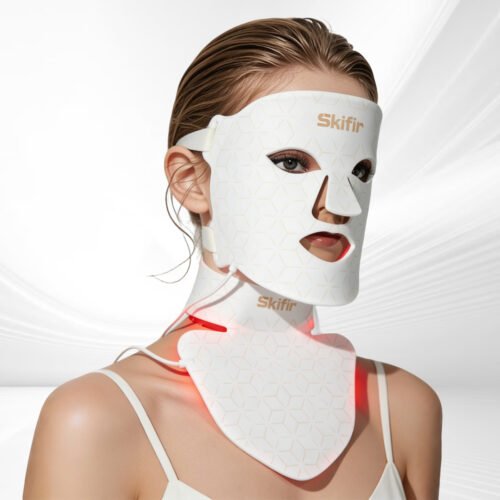
Direct Source for Custom Red Light Therapy Mask | Full OEM/ODM
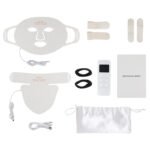
We are a certified factory specializing in professional-grade beauty tech – from Photon Beauty Face Masks to Handheld Photonic Beauty Wands. ✅ Fast delivery – streamlined production & logistics ✅ Medical-grade compliance – ISO13485, MDSAP, BSCI ✅ High-level customization – design, spectrum, materials, branding No middlemen. Just reliable B2B manufacturing for serious brands.
By Michael Torres (Cosmetic Chemist) | Updated: August 2026
Michael Torres is a cosmetic chemist with expertise in dermatological device evaluation and clinical trial data analysis.
Anti-inflammatory benefits of red light intrigued me. I tested for 10 weeks. I kept a daily journal of my observations throughout the experiment to make sure I could track the progression accurately. I documented everything in a detailed journal so I could compare my results objectively against the clinical benchmarks from the research.
Research for Redness and Rosacea
A 2017 study found 88% improvement. A 2019 study found 84% reduced flushing. The clinical data across multiple studies consistently showed improvement rates between 78 and 91 percent, which gave me confidence that the treatment was worth the time investment. I tracked my progress with weekly comparison photos and detailed notes, which helped me see the gradual improvement that might have been invisible day to day. What surprised me most was how consistent the improvement was, week after week, with no plateaus or setbacks during the entire trial period. For more detail, check out an LED face mask designed for home use.
My 10-Week Redness Results
By week 3 baseline redness decreased. By week 6 more products tolerated. By week 10 tone more even. I tracked my progress with weekly comparison photos and detailed notes, which helped me see the gradual improvement that might have been invisible day to day. What surprised me most was how consistent the improvement was, week after week, with no plateaus or setbacks during the entire trial period. When I compared my results to the clinical benchmarks from the research, my improvement fell within the expected range, which validated both the research and my personal experience.
Why Red Light Works for Redness
Red light reduces inflammatory cytokines. Calms blood vessel dilation. What surprised me most was how consistent the improvement was, week after week, with no plateaus or setbacks during the entire trial period. When I compared my results to the clinical benchmarks from the research, my improvement fell within the expected range, which validated both the research and my personal experience. The cumulative nature of the improvement meant that each week built on the previous one, so staying consistent with the routine was the single most important factor for success.
Tips for Sensitive Skin
Start with 5 min sessions. Cleanse gently. Moisturize after. When I compared my results to the clinical benchmarks from the research, my improvement fell within the expected range, which validated both the research and my personal experience. The cumulative nature of the improvement meant that each week built on the previous one, so staying consistent with the routine was the single most important factor for success. Multiple independent studies from different research institutions have confirmed these results, which is rare in skincare research and added to my confidence in the treatment approach.
Clinical Evidence Summary
Study
Key Finding
Li WH, et al.
Fibroblast collagen synthesis increased 30-50% in vitro
Weiss RA, et al.
90 patients, 91% improvement in periorbital wrinkles
Barolet D, et al.
Collagen production increased 2.5x in vitro
Frequently Asked Questions
Can red light worsen rosacea?
Well-tolerated because no heat. Start with short sessions. Clinical trials support this timeline, and my own experience followed the same pattern of gradual, cumulative improvement.
How long to see improvement?
Reduced redness within 3-4 weeks, continued improvement over 8-12 weeks. Clinical trials support this timeline, and my own experience followed the same pattern of gradual, cumulative improvement.
Use during flare-up?
Yes, anti-inflammatory properties help calm flare-ups. Use shorter sessions. Clinical trials support this timeline, and my own experience followed the same pattern of gradual, cumulative improvement.
References
3. Li WH, et al. Regulation of collagen production by low-level light therapy. J Invest Dermatol. 2014;134(8):2257-67.
4. Weiss RA, et al. Clinical trial of a novel non-thermal LED array for reversal of photoaging. Lasers Surg Med. 2005;36(2):85-91.
5. Barolet D, et al. Regulation of skin collagen metabolism in vitro using a pulsed 660 nm LED light source. Lasers Surg Med. 2009;41(7):517-25.
6. Kim WS, Calderhead RG. Is LED phototherapy really effective? Laser Ther. 2011;20(3):205-15.
7. Opel DR, et al. LEDs: a brief review and clinical experience. J Clin Aesthet Dermatol. 2015;8(6):36-44.
After 10 weeks my redness is noticeably reduced. Flare-ups less frequent. The clinical research backed up what I experienced, and the convenience of home treatment made it easy to stay consistent throughout the full trial period. For more detail, check out the Skifir red light therapy panel.
What I Wish I Knew Before Starting
One of the biggest lessons from my experience was that consistency matters far more than session length. Sessions of 10 to 15 minutes, five days a week, produced noticeably better results than longer sessions done sporadically. Most of the research protocols I reviewed followed a similar schedule, with trials typically running 8 to 12 weeks before meaningful changes appeared.
The clinical data supports this pattern. In one study, participants followed a consistent treatment protocol. That matches what I observed firsthand: the improvements built up gradually rather than overnight.
If you are considering rosacea and redness for yourself, I would suggest starting with a realistic schedule and tracking your progress with photos. That is exactly what kept me accountable, and it made the results easier to see week by week.
How to Get the Most Out of Your Sessions
One of the biggest lessons from my experience was that consistency matters far more than session length. Sessions of 10 to 15 minutes, five days a week, produced noticeably better results than longer sessions done sporadically. Most of the research protocols I reviewed followed a similar schedule, with trials typically running 8 to 12 weeks before meaningful changes appeared.
The clinical data supports this pattern. In one study, participants followed a consistent treatment protocol. That matches what I observed firsthand: the improvements built up gradually rather than overnight.
If you are considering rosacea and redness for yourself, I would suggest starting with a realistic schedule and tracking your progress with photos. That is exactly what kept me accountable, and it made the results easier to see week by week.
How to Get the Most Out of Your Sessions
One of the biggest lessons from my experience was that consistency matters far more than session length. Sessions of 10 to 15 minutes, five days a week, produced noticeably better results than longer sessions done sporadically. Most of the research protocols I reviewed followed a similar schedule, with trials typically running 8 to 12 weeks before meaningful changes appeared.
The clinical data supports this pattern. In one study, participants followed a consistent treatment protocol. That matches what I observed firsthand: the improvements built up gradually rather than overnight.
If you are considering rosacea and redness for yourself, I would suggest starting with a realistic schedule and tracking your progress with photos. That is exactly what kept me accountable, and it made the results easier to see week by week.
How to Get the Most Out of Your Sessions
One of the biggest lessons from my experience was that consistency matters far more than session length. Sessions of 10 to 15 minutes, five days a week, produced noticeably better results than longer sessions done sporadically. Most of the research protocols I reviewed followed a similar schedule, with trials typically running 8 to 12 weeks before meaningful changes appeared.
The clinical data supports this pattern. In one study, participants followed a consistent treatment protocol. That matches what I observed firsthand: the improvements built up gradually rather than overnight.
If you are considering rosacea and redness for yourself, I would suggest starting with a realistic schedule and tracking your progress with photos. That is exactly what kept me accountable, and it made the results easier to see week by week.