Direct Source for Custom Red Light Therapy Mask | Full OEM/ODM
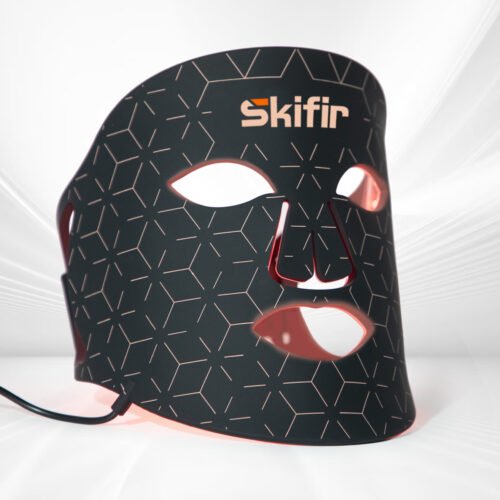
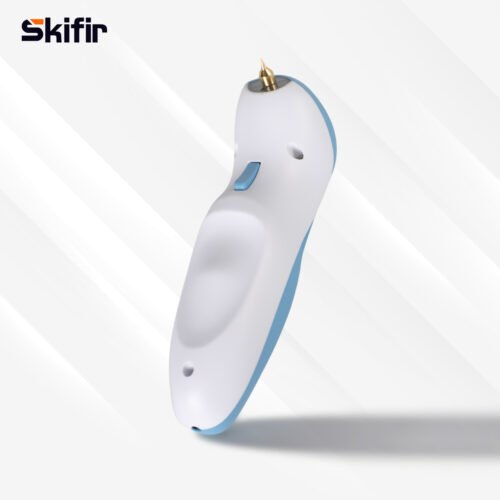
We are a certified factory specializing in professional-grade beauty tech – from Photon Beauty Face Masks to Handheld Photonic Beauty Wands. ✅ Fast delivery – streamlined production & logistics ✅ Medical-grade compliance – ISO13485, MDSAP, BSCI ✅ High-level customization – design, spectrum, materials, branding No middlemen. Just reliable B2B manufacturing for serious brands.
What Goes Into Making an LED Face Mask Red Light Therapy Manufacturing Explained
Most people who buy red light therapy masks have no idea what goes into making one. But if you are sourcing devices for your brand, understanding the manufacturing process helps you ask better questions and spot quality issues before they become your problem. The process from raw materials to a finished mask involves several stages, each with its own quality checkpoints.
Component Sourcing and Inspection
Every LED mask starts with components. LED beads, PCBs, silicone or plastic shells, drivers, and cables all come from different suppliers. A reputable manufacturer inspects every batch of incoming components before they enter the production line. LED beads are tested for wavelength accuracy and brightness consistency. PCBs go through solder quality checks. Silicone is verified for material purity and flexibility.
This first stage is where most quality problems are caught or missed. Factories that skip incoming inspection save time upfront but pay for it later with higher defect rates. When evaluating a manufacturing partner, ask how they handle component-level quality control before assembly begins. Skifir runs batch-level testing on all incoming components, with rejected lots sent back to suppliers before they reach the production floor.
PCB Assembly and LED Placement
The PCB is the brain of the mask. Surface-mount technology machines place LED beads and driver components onto the board with precision. The machine picks each bead from a reel and positions it within a fraction of a millimeter. After placement, the board goes through a reflow oven that solders everything in place.
This is where the difference between a quality mask and a cheap one shows up. Poorly aligned LEDs create uneven light distribution on the face. Weak solder joints fail after a few months of use. A factory with calibrated pick-and-place equipment and temperature-controlled reflow ovens produces boards that last. Check whether your manufacturer owns their SMT line or outsources it. Owning the line means they control the quality.
Shell Molding and Assembly
The shell of the mask is produced through injection molding. Liquid silicone or plastic is injected into a steel mold under high pressure, then cooled and removed. The mold itself is a precision tool that can cost several thousand dollars to produce. Mold quality directly affects how the mask fits on the face, how comfortable it feels, and how long it lasts.
After molding, the shell is trimmed, cleaned, and prepared for assembly. Workers insert the PCB into the shell, connect the driver and cables, and seal the unit. Silicone masks are then cured at a controlled temperature to finalize the material properties. Skifir uses a secondary post-curing process for silicone masks that improves durability and prevents material degradation over time.
Once assembled, every mask should go through wavelength calibration. A spectrometer verifies that each LED bead emits light at the specified wavelength. The acceptable tolerance is typically plus or minus 5 nanometers. Devices that fall outside this range do not deliver the claimed therapeutic benefits.
Most low-cost manufacturers skip individual calibration and rely on component specifications from their suppliers. This is risky because LED beads from the same batch can vary by 10 nanometers or more. A proper calibration step catches these variations before the mask ships to your customers.
Electrical safety testing checks for shorts, ground faults, and insulation integrity. Every unit should pass a dielectric strength test before it leaves the factory. Burn-in testing runs the mask continuously for several hours to identify early failures. Components that fail during burn-in would have failed in your customer hands instead.
Packaging and Final Quality Check
Before packaging, each mask gets a final visual inspection. The surface should be free of blemishes, the cable connection secure, and the controls responsive. Samples from each batch are tested for light output consistency. Packaging materials are checked for correct branding and labeling.
The brands that get consistent quality are the ones who visit their factory, review test reports, and build a relationship with the production team rather than treating manufacturing as a black box.