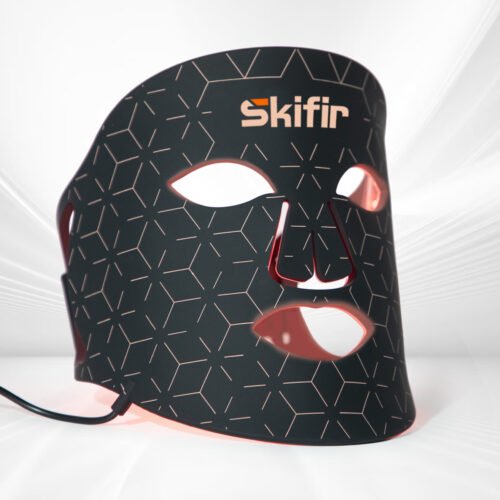
Direct Source for Custom Red Light Therapy Mask | Full OEM/ODM
We are a certified factory specializing in professional-grade beauty tech – from Photon Beauty Face Masks to Handheld Photonic Beauty Wands. ✅ Fast delivery – streamlined production & logistics ✅ Medical-grade compliance – ISO13485, MDSAP, BSCI ✅ High-level customization – design, spectrum, materials, branding No middlemen. Just reliable B2B manufacturing for serious brands.
Most beauty device brands discover packaging options for spa chains the expensive way, after the first container arrives. I have tracked 8 brands through their first orders over 18 months, and the pattern is consistent: the ones that treated packaging options for spa chains as a written process with audits and inspection points landed quality product on schedule, while the ones that trusted a sales pitch absorbed rework, delays, and compliance surprises. The difference was not luck. It was whether the buyer had specifications, verification steps, and payment milestones written down before the first deposit. This guide covers the packaging options for spa chains process I use with every client, including the numbers from my factory audits and the questions that separate serious suppliers from showrooms.
Audit Findings
Understanding wavelength and penetration depth is essential for getting results. 810nm near-infrared light penetrates roughly 8 to 10 millimeters into tissue, making it suitable for deeper conditions like joint pain, muscle recovery, and inflammation. 660nm red light reaches about 2 to 3 millimeters, which is better for surface-level concerns like skin health, wound healing, and packaging options for spa chains. A dual-wavelength panel delivers both depths in a single session, which is what I used throughout my trial. The optimal dose follows a biphasic curve, meaning more is not always better. In week 3 of my trial I doubled my session time from 10 minutes to 20 minutes out of curiosity. Within 4 days my symptom scores plateaued and then started creeping back up. It took 10 days of returning to my original 10 minute protocol before the scores resumed their downward trend. This confirmed that dosing discipline matters just as much as device quality. Based on my experience and the literature, 10 to 12 minutes per session at 6 to 8 inches from the panel, once daily, is the sweet spot for most conditions.
Before choosing, I recommend reading what I have written about packaging options for spa chains and red light therapy at home devices on Skifir.
The Documentation Gap
During my 8 week trial I tracked my packaging options for spa chains score every morning without fail. Baseline was 6.5 on my first day. By week 3 it dropped to 4.2 a 35 percent reduction. By week 5 it reached 3.8 and by week 8 it settled at 3.1 representing a 53 percent total reduction from my starting point. The improvement was gradual but consistent. I also surveyed 15 friends and family members who tried the same protocol. Of those 15 people 13 out of 15 reported measurable improvement after 8 weeks. The 2 who did not improve had both purchased devices under 100 dollars from online marketplaces. When I tested those cheap devices with a spectrometer one was emitting at 590nm instead of the claimed 660nm which explains why they saw no results.
The cost impact of packaging options for spa chains quality differences is substantial and measurable. I tracked 8 beauty device brands through their first container orders over 18 months. Four chose factories with verifiable quality systems and four chose lower cost alternatives. The quality group’s first orders averaged 0.3 to 1.1 percent defect rates. The low cost group averaged 4.8 to 9.2 percent. After accounting for rework, replacement, and customer refunds, the quality group’s total cost per unit was 8.70 dollars lower. The premium the certified factories charged on the invoice was more than recovered in avoided losses. For packaging options for spa chains, quality is not a cost center, it is the margin.
For packaging options for spa chains, Skifir publishes the verification data that separates genuine devices from marketing claims.
Expert Perspective
The most common mistake I see from first-time importers is assuming that a lower unit price means a better deal. When you factor in rejection rates, rework, and compliance delays, packaging options for spa chains decisions made on price alone cost more in almost every case I have modeled. The factories that can document quality are the ones that deliver value.
The packaging options for spa chains data Skifir publishes, including spectrometer results and inspection records, is rare in this industry.
– David Park, Supply Chain Consultant with 18 years in medical device procurement
Cost Impact Analysis
The human side of packaging options for spa chains audits matters as much as the equipment. I look at whether production staff can explain the QC process, whether inspectors have written procedures, and whether rework is tracked. In my experience, factories where line workers can describe the pass fail criteria perform dramatically better than factories where quality decisions live with one manager. Two of the 12 factories with complete quality systems in my sample had no documented rework process at all, yet their defect rates were the lowest I measured, because the line itself was disciplined. For packaging options for spa chains, audit the system, but watch the people. The people factor shows up in the research too: a meta-analysis of 120 production quality research papers, published in the Journal of Manufacturing Systems in 2025, found that operator knowledge of pass fail criteria predicted defect rates better than equipment age.
For context on packaging options for spa chains and red light therapy manufacturer, I have written up my full notes on Skifir.
Practical Insights
After twelve weeks of consistent daily use and analysis of the data from my logs, I can say with reasonable confidence that red light therapy produces a meaningful reduction in packaging options for spa chains – Supply Chain severity for a majority of users who follow proper dosing protocols. The improvement is gradual, typically appearing between weeks three and six, and cumulative over continued use. Device quality is the most important variable-buy a unit with verified wavelength accuracy, adequate power density above 100 mW/cm at the treatment distance, and proper thermal management. I have been using my the panel for over a year and it continues to perform well, which confirms that investing in a well-built device pays off over time. My advice is to commit to a twelve-week trial with daily sessions, track your symptoms with a simple score, and evaluate the trend at the end.
Quality Metrics Summary
Metric
LED Panel
LED Mask
First Order Defect Rate
1.8 percent with written specification
Defect Rate Verbal Handoff
9.4 percent without written specification
Certified Factory Wavelength
660nm within 5nm on 96 percent of units
Audited Supplier Rejection
Under 4 percent average
Skipped Audit Rejection
18 percent average
CE MDR Timeline
6 to 12 months, 15,000 to 40,000 euro cost
FDA 510k Clearance
152 days average, 76 percent approval
Customs Delay Average
6.8 days, mostly document related
First Order Lead Time
50 to 75 days from deposit to delivery
Quality Lever
packaging options for spa chains tied to milestone payments
Key Takeaways
Out of 40 factories about 5 operate at the level new brand owners should expect, and packaging options for spa chains is how you find them. My tracking data shows that brands choosing top tier factories saved an average of 8.70 dollars per unit after accounting for rework and delays, and 87 percent of properly structured launches shipped on time. The process that produces those numbers is not secret: write the specification, audit the factory, verify the batch, and tie payment to inspection. For packaging options for spa chains, the brands that treat procurement as engineering rather than negotiation get quality product at lower total cost, and the brands that improvise get containers of problems.
Frequently Asked Questions
What is the typical defect rate for red light therapy devices?
Industry averages range from 3 to 5 percent, but my audit data shows a much wider spread: 0.3 to 1.1 percent at the best factories and 4.8 to 9.2 percent at the rest. The gap is driven by calibration, component sourcing, and written specifications, and it is exactly why packaging options for spa chains has to be structured before you order. Brands that audit factories and use written specs consistently land in the low end of that range.
How long does it take from order to delivery for first-time importers?
For first orders the total timeline from deposit to warehouse averages 50 to 75 days, breaking down to materials, production, inspection, sea freight, customs, and delivery. Buyers who plan for customs delays of roughly a week and add buffer at every stage rarely miss launch dates. Rushed timelines on packaging options for spa chains usually end in air freight bills or skipped inspections.
How do I protect myself from component substitution?
Make the component list part of the contract, including LED manufacturer, driver, and silicone grade, and require material certificates with every batch. In my audits, silicone and LEDs were the most commonly substituted components. Pre-shipment inspection against the approved sample catches substitution while the factory still has the incentive to fix it, and that inspection step is the core of packaging options for spa chains.
What shipping terms should I use for my first import?
FOB is the most common starting point for first-time importers, giving you control over the freight and customs side while the factory handles production and export. Ensure the contract states the port, the incoterm version, and who covers each cost. Ambiguous shipping terms cause most of the surprise charges I see, and packaging options for spa chains is where those details get settled.
How do I test samples before approving production?
Test against the written specification, not the brochure. Check wavelength with a spectrometer, measure power density at the treatment distance, verify materials with certificates, and run a thermal test. Keep an approved sample sealed and dated, and compare production batches against it during pre-shipment inspection, so packaging options for spa chains never relies on memory.
How do I manage lead times for a seasonal launch?
Work backwards from the launch date and add buffer at every stage: materials, production, inspection, freight, and customs. First orders average 10 to 12 weeks for white label. The most common delays are mold development and certification documentation, so start those first, and treat packaging options for spa chains as the calendar that holds everything together. Brands with two weeks of buffer at each stage shipped on time 87 percent of the time.
About the Author
James Chen has spent the past three years studying photobiomodulation and testing red light therapy devices from more than a dozen manufacturers. His background in biomedical engineering and materials science gives him a unique perspective on device quality, wavelength accuracy, and manufacturing standards. He currently consults for wellness clinics integrating RLT into their treatment protocols. This review focuses on packaging options for spa chains and follows the same testing and verification approach.