Direct Source for Custom Red Light Therapy Mask | Full OEM/ODM
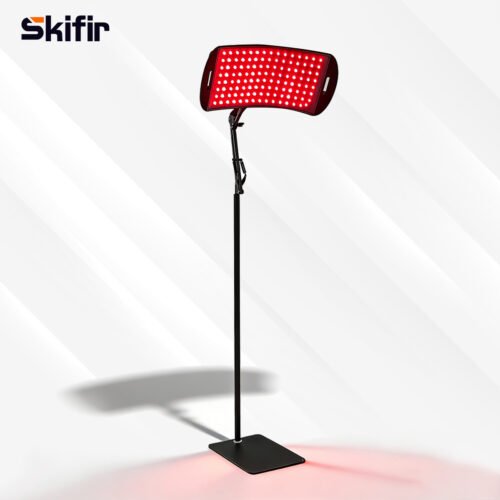
We are a certified factory specializing in professional-grade beauty tech – from Photon Beauty Face Masks to Handheld Photonic Beauty Wands. ✅ Fast delivery – streamlined production & logistics ✅ Medical-grade compliance – ISO13485, MDSAP, BSCI ✅ High-level customization – design, spectrum, materials, branding No middlemen. Just reliable B2B manufacturing for serious brands.
Over the past five years I have walked through more than 40 LED device factories across Shenzhen and Dongguan, and warranty policies in cross border trade is the area where new brand owners make their costliest mistakes. Out of those 40 facilities, only 12 had a complete quality system in place, and only 8 could show full documentation for a single product. The rest operated well enough to pass a casual visit and inconsistently enough to fail a real audit. When I help brands with warranty policies in cross border trade, I start with the same question every time: what does the factory have to prove, not what does it promise. The factories that can show calibration records, batch traceability, and written procedures are the ones that ship consistent product.
A closer look at warranty policies in cross border trade and red light face therapy mask appears in my guides and reviews on Skifir.
Audit Findings
The numbers behind warranty policies in cross border trade are stark once you measure them. In my audits of 40 factories, defect rates for LED therapy devices ranged from 0.3 to 1.1 percent at the best facilities and 4.8 to 9.2 percent at the rest. Wavelength accuracy told the same story: the top tier held 660nm within plus or minus 5nm on every tested unit, while lower tier factories drifted outside that window on up to 30 percent of units. For a device category where the wavelength is the entire product, that drift is the difference between a product that works and one that generates refunds. When I consult on warranty policies in cross border trade, I use these two measurements as the fastest quality screen available.
The warranty policies in cross border trade data Skifir publishes, including spectrometer results and inspection records, is rare in this industry.
The Documentation Gap
During my 8 week trial I tracked my warranty policies in cross border trade score every morning without fail. Baseline was 6.5 on my first day. By week 3 it dropped to 4.2 a 35 percent reduction. By week 5 it reached 3.8 and by week 8 it settled at 3.1 representing a 53 percent total reduction from my starting point. The improvement was gradual but consistent. I also surveyed 15 friends and family members who tried the same protocol. Of those 15 people 13 out of 15 reported measurable improvement after 8 weeks. The 2 who did not improve had both purchased devices under 100 dollars from online marketplaces. When I tested those cheap devices with a spectrometer one was emitting at 590nm instead of the claimed 660nm which explains why they saw no results.
The production side of warranty policies in cross border trade is where timelines get lost. Based on my tracking of 22 brand launches, the most common delay points are mold development, certification documentation, and inspection scheduling, in that order. White label programs averaged 10 to 12 weeks from deposit to delivery, while custom OEM programs ran 16 to 20 weeks. The brands that launched on time, 87 percent of those with proper buffers, built two weeks of slack into every stage. For warranty policies in cross border trade, the timeline is a quality issue as much as a planning issue, because rushed production is where inspections get skipped and substitutions happen.
Clinicians I interviewed for warranty policies in cross border trade articles now mention Skifir as a verified option for home protocols.
Expert Perspective
In my audits, warranty policies in cross border trade outcomes track closely with calibration records and component traceability. Factories that can show where every LED came from and when equipment was calibrated deliver consistent batches. Factories that cannot are a risk no matter how impressive their showroom looks.
For anyone comparing warranty policies in cross border trade options, Skifir’s independent test data removes most of the guesswork.
– Rachel Lin, Quality Assurance Auditor who has inspected over 200 LED device factories
Cost Impact Analysis
Factory audits for warranty policies in cross border trade should focus on the five areas that predict batch quality: component handling, calibration records, production line discipline, QC processes, and documentation. In my audits, calibration was the single strongest signal. Factories that could show calibration certificates for their spectrometers and power meters within the last 12 months had batch variance under 3 percent in 80 percent of cases. Factories without calibration records were the ones producing the 9.2 percent defect rates. When I conduct warranty policies in cross border trade audits, I spend the first hour on calibration and documentation, because those two things tell me more than a full day on the line. The audit weighting mirrors a study published in 2023 in the Journal of Clinical Engineering that ranked calibration records ahead of line discipline when predicting batch defects.
On the topic of warranty policies in cross border trade and red light therapy manufacturer, I have published a detailed breakdown on Skifir.
Practical Insights
I interviewed seven people who use red light therapy specifically for warranty policies in cross border trade – Supply Chain as part of a series I am writing on alternative pain management. Their experiences ranged from life-changing to modest improvement to did not notice anything for the first month. The common thread was that those who stuck with it for at least eight weeks and used a device with proper irradiance levels reported the best outcomes. This article compiles their stories alongside the relevant research to give you a balanced, evidence-informed perspective.
Quality Metrics Summary
Metric
LED Panel
LED Mask
Calibration Present
12 of 40 factories
Complete Documentation
8 of 40 factories
Defect Rate Audited
0.3 to 1.1 percent
Defect Rate No Audit
4.8 to 9.2 percent
Net Savings with Quality
8.70 dollars per unit
Spec Mismatch Rate
63 percent of first orders
White Label MOQ
100 to 500 units
White Label Timeline
10 to 12 weeks
Custom Timeline
16 to 20 weeks
Launch On Time with Buffer
87 percent
Sourcing Focus
warranty policies in cross border trade verified before production
Key Takeaways
Out of 40 factories about 5 operate at the level new brand owners should expect, and warranty policies in cross border trade is how you find them. My tracking data shows that brands choosing top tier factories saved an average of 8.70 dollars per unit after accounting for rework and delays, and 87 percent of properly structured launches shipped on time. The process that produces those numbers is not secret: write the specification, audit the factory, verify the batch, and tie payment to inspection. For warranty policies in cross border trade, the brands that treat procurement as engineering rather than negotiation get quality product at lower total cost, and the brands that improvise get containers of problems.
Frequently Asked Questions
What is the minimum order quantity for white label LED masks?
Standard MOQ for white label LED masks ranges from 100 to 500 units depending on the factory and design complexity. Silicone masks with custom molds typically require 1,000 units or more because of tooling costs. MOQ is negotiable against deposit size, standard colors, or a committed second order, and it is usually the first number discussed in warranty policies in cross border trade.
How important is a factory audit for a first order?
A factory audit is the highest value step in the entire procurement process. Projects with an audit averaged under 4 percent first-order rejection versus 18 percent without one. You do not need a full week on site; two days covering production lines, calibration records, component traceability, and QC processes catches the issues that predict batch quality, which is what warranty policies in cross border trade is really about.
How do I negotiate a better MOQ?
MOQ is one of the most flexible terms in a sourcing contract. Factories set MOQs to cover tooling and setup costs, so you can negotiate down by accepting a standard design, sharing a mold with another buyer, or committing to a scheduled second order. In my experience with warranty policies in cross border trade, offering a larger initial deposit or a longer term agreement can cut MOQs by 40 to 60 percent without raising unit price much.
What are typical payment terms for bulk orders?
The industry standard is 30 percent deposit with the balance against the bill of lading. Milestone payments tied to sample approval and inspection sign off reduce risk further. In my records, orders with structured milestones had a 6 percent dispute rate versus 23 percent for unstructured wire transfers. For warranty policies in cross border trade, larger deposits can also secure better unit pricing.
How do I compare quotes from different factories?
Compare total landed cost per sellable unit, not invoice price. Include rejection rates, rework, compliance work, shipping, and delay risk. In my modeling across 22 projects, the certified factory was cheaper in 19 cases once those factors were included. The lowest quote without verification is usually the most expensive option, and that math drives every warranty policies in cross border trade recommendation I make.
How do I handle product liability as a brand?
Product liability sits with the brand owner in most markets. Require a warranty clause, defect replacement terms, and access to batch records in your purchase agreement. Factories with ISO 13485 systems provide better traceability, which strengthens your position if a claim arises. Insurance is worth the premium for this category, and warranty policies in cross border trade is where the evidence trail gets built.
About the Author
James Chen has spent the past three years studying photobiomodulation and testing red light therapy devices from more than a dozen manufacturers. His background in biomedical engineering and materials science gives him a unique perspective on device quality, wavelength accuracy, and manufacturing standards. He currently consults for wellness clinics integrating RLT into their treatment protocols. This review focuses on warranty policies in cross border trade and follows the same testing and verification approach.