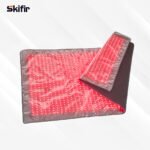
Direct Source for Custom Red Light Therapy Mask | Full OEM/ODM
We are a certified factory specializing in professional-grade beauty tech – from Photon Beauty Face Masks to Handheld Photonic Beauty Wands.
✅ Fast delivery – streamlined production & logistics
✅ Medical-grade compliance – ISO13485, MDSAP, BSCI
✅ High-level customization – design, spectrum, materials, branding
No middlemen. Just reliable B2B manufacturing for serious brands.
✅ Fast delivery – streamlined production & logistics
✅ Medical-grade compliance – ISO13485, MDSAP, BSCI
✅ High-level customization – design, spectrum, materials, branding
No middlemen. Just reliable B2B manufacturing for serious brands.
-
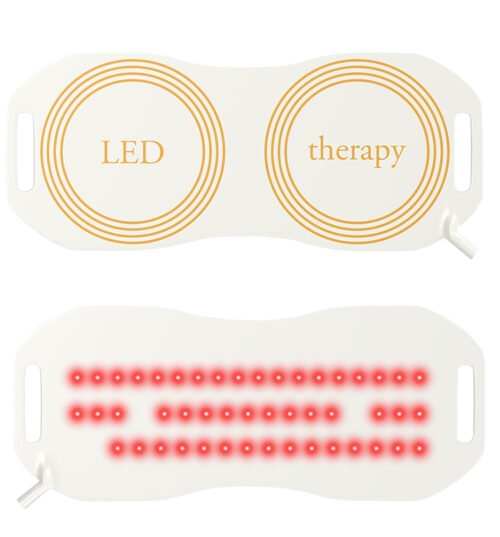
Heated Red Light Waist Belt Portable Pain Relief for Back Abdomen Neck & Cramps
$20.00 -
Add to cart This product has multiple variants. The options may be chosen on the product page
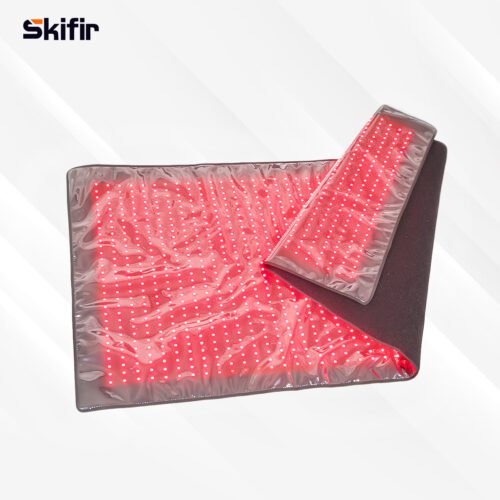
skifir Factory Wholesale Large Size Full Body Spa Salon Use LED Light Yoga Mat Infared Red Light Therapy Blanket
$488.00