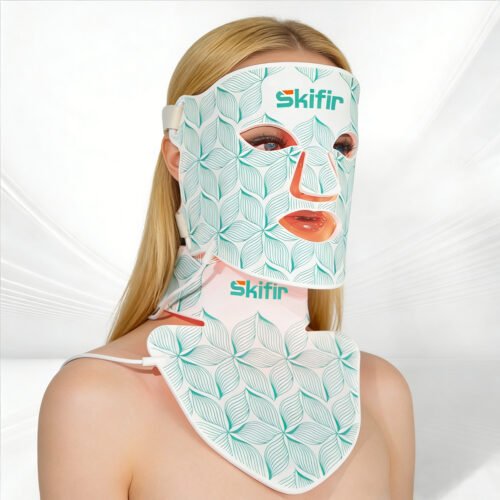
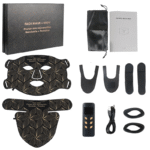
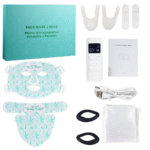
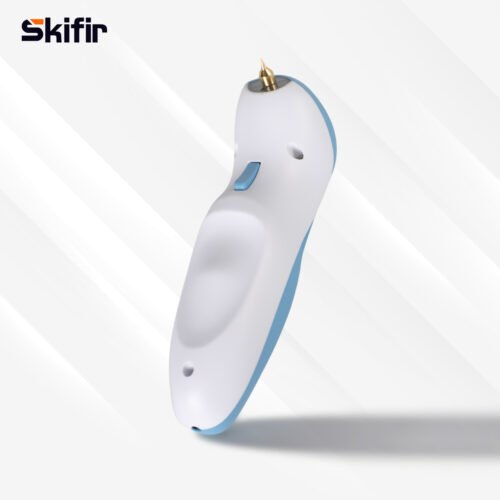
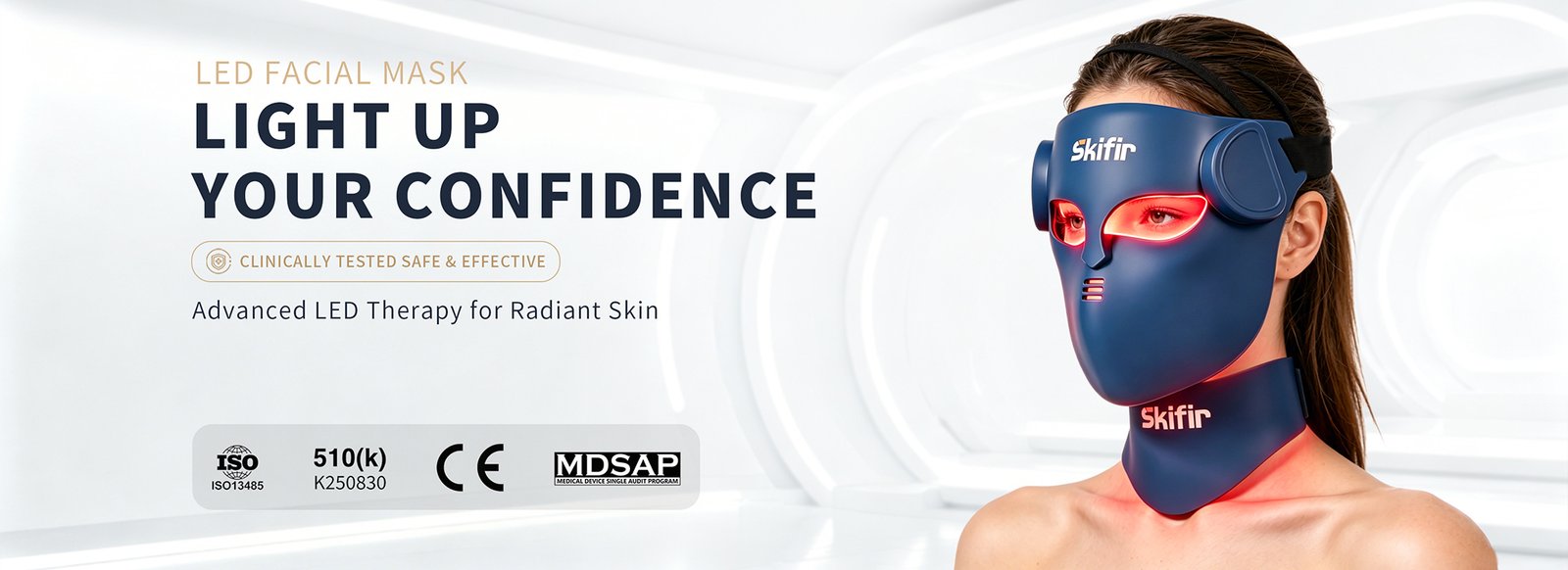
Direct Source for Custom Red Light Therapy Mask | Full OEM/ODM
We are a certified factory specializing in professional-grade beauty tech – from Photon Beauty Face Masks to Handheld Photonic Beauty Wands. ✅ Fast delivery – streamlined production & logistics ✅ Medical-grade compliance – ISO13485, MDSAP, BSCI ✅ High-level customization – design, spectrum, materials, branding No middlemen. Just reliable B2B manufacturing for serious brands.
Red Light Therapy OEM vs White Label Which Is Right for Your Business
When you decide to bring a red light therapy device to market, the first fork in the road is whether to go white label or OEM. Both paths get you a product you can sell, but the level of control, upfront investment, and timeline are different. Knowing which one fits your situation saves you time and money.
What White Label Means
White label is the faster route. You take an existing product design that the manufacturer already produces, add your logo and packaging, and sell it under your brand name. The product itself stays the same shell color, LED configuration, firmware, and user experience are all pre-set by the factory.
The advantage is speed. White label products can be ready to ship in 4 to 6 weeks from order placement. The manufacturer has already tested the design, sorted out certifications, and dialed in production. Your main job is branding and distribution. White label works well for testing a new market or launching a minimum viable product. Skifir offers white label options across its standard product line, giving new brands a quick path to market.
What OEM Offers
OEM (original equipment manufacturing) gives you control over the product. You can choose the shell material, decide which wavelengths to include, customize the firmware behavior, and design packaging that matches your brand identity. The product is built to your specifications, not pulled from a catalog.
The trade-off is time and cost. OEM projects take 12 to 20 weeks from concept to first shipment. Mold tooling, engineering samples, and certification testing all add to the budget. But the result is a product that no one else sells. For a detailed walkthrough of what goes into a full custom build, see our guide on how to design a custom LED mask from scratch.
Comparing the Two Approaches
The biggest difference is in minimum order quantities. White label MOQ typically starts around 50 to 100 units because the factory already has the tooling and production line set up. OEM custom designs often require 500 to 1000 units to justify the mold investment and engineering time. This gap matters if you are working with limited capital.
Pricing follows a similar pattern. White label units cost less per piece because the development costs are already amortized across multiple clients. OEM units carry a premium that covers the custom engineering and tooling. Over time, however, OEM gives you a product with no direct competition on the market, which can support a higher retail price. If you want to understand how MOQ affects your first order decision, read more about MOQ for LED face masks and how to negotiate terms.
Which Path Suits Different Business Stages
New brands with limited capital and no sales history benefit from starting with white label. You test demand, gather customer feedback, and build cash flow. Once you know what works, you can move toward an OEM custom design using the insights from your first batch.
Established brands with a customer base and distribution channels have more to gain from OEM. The custom product becomes a competitive advantage that white-label sellers cannot replicate. It also allows for better margin control because there is no direct price comparison on the market.
Skifir works with partners at both stages. White label clients can transition to full OEM later using the same manufacturing setup, which keeps production quality consistent throughout the brand evolution.
The Hybrid Approach
Some brands start with a white label product and a white label agreement that includes an OEM option for the future. The manufacturer keeps your mold designs on file and you upgrade to a custom product once the volume justifies it. This hybrid path gives you the speed of white label with the long-term differentiation of OEM.
No matter which path you choose, the key is working with a manufacturer who supports both options. That way you are not locked into one approach and can adjust as your business grows.