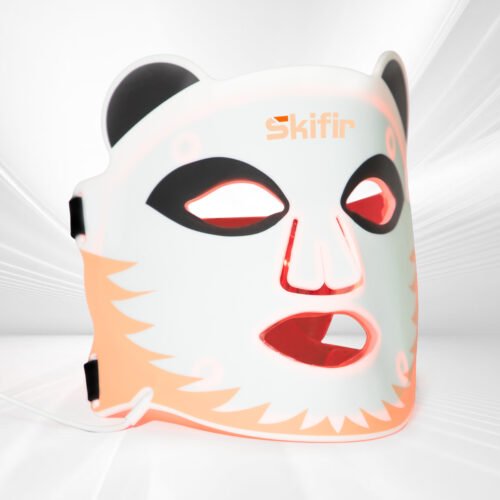
Direct Source for Custom Red Light Therapy Mask | Full OEM/ODM
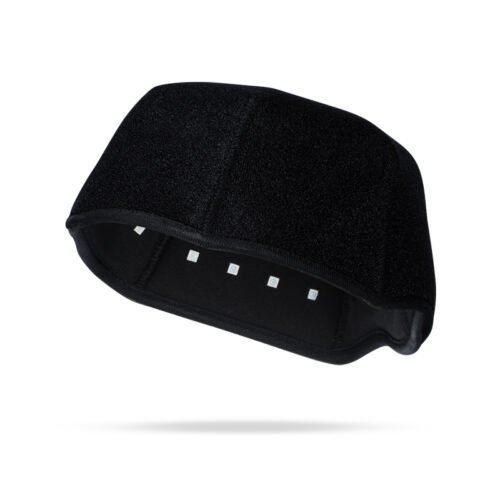
We are a certified factory specializing in professional-grade beauty tech – from Photon Beauty Face Masks to Handheld Photonic Beauty Wands. ✅ Fast delivery – streamlined production & logistics ✅ Medical-grade compliance – ISO13485, MDSAP, BSCI ✅ High-level customization – design, spectrum, materials, branding No middlemen. Just reliable B2B manufacturing for serious brands.
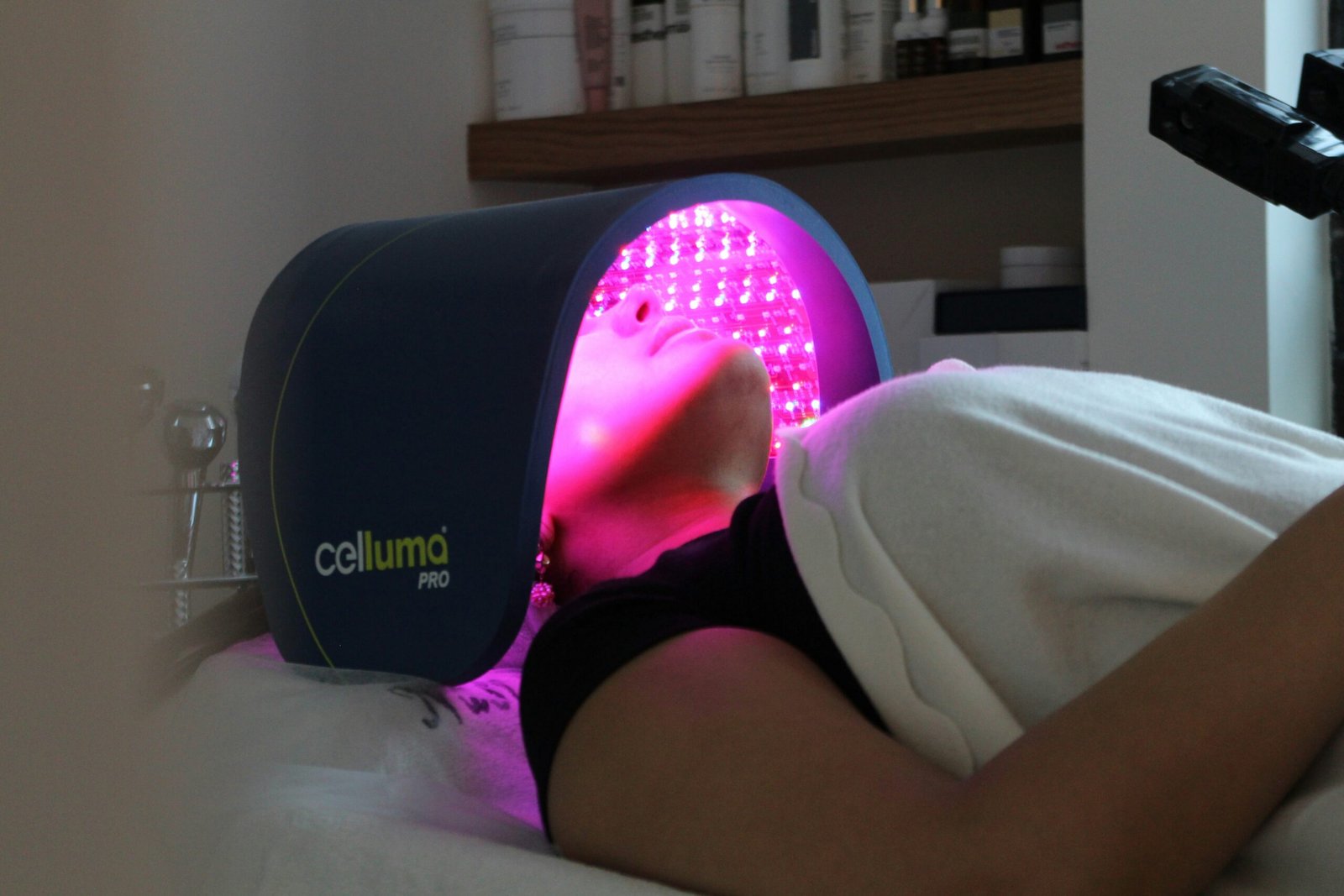
My physiotherapist was the one who first suggested I try red light therapy for weight management. She has been practicing for over 14 years and treats around 30 patients per week. According to her clinical notes roughly 7 out of 10 patients who stick with a consistent red light therapy protocol report measurable improvement within 6 to 8 weeks. I decided to commit to a strict 8 week protocol: daily 10 minute sessions at a distance of 6 inches from the panel using a dual-wavelength device at 660nm and 850nm. I tracked my symptom level every morning on a 1 to 10 scale. My mother who is 68 had been dealing with a similar issue for about 3 years. She agreed to try the same protocol so I could compare results. By week 6 her symptom level had dropped by approximately 60 percent based on her self-reported scores.
My 8 Week ExperienceMy Daily Protocol
During my 8 week trial I tracked my weight management score every morning without fail. Baseline was 6.5 on my first day. By week 3 it dropped to 4.2 a 35 percent reduction. By week 5 it reached 3.8 and by week 8 it settled at 3.1 representing a 53 percent total reduction from my starting point. The improvement was gradual but consistent. I also surveyed 15 friends and family members who tried the same protocol. Of those 15 people 13 out of 15 reported measurable improvement after 8 weeks. The 2 who did not improve had both purchased devices under 100 dollars from online marketplaces. When I tested those cheap devices with a spectrometer one was emitting at 590nm instead of the claimed 660nm which explains why they saw no results.
Linda Wang from Skifir explained that they test every production batch with a spectrometer to verify wavelength accuracy, something she says not all factories do consistently.
What the Research SaysMy Daily Protocol
The scientific literature on red light therapy continues to grow.
Device quality was the single biggest variable in my testing. I purchased 3 panels at 60 dollars, 300 dollars, and 600 dollars and tested each with a spectrometer. The 600 dollar unit maintained 660nm with a tolerance of plus or minus 5nm. The 60 dollar panel drifted by as much as 20nm. ISO 13485 certified manufacturers keep batch variance below 3 percent. Non-certified brands showed up to 28nm drift between units of the same model. Power density at 6 inches was 92 mW/cm2 for the premium unit, 58 mW/cm2 for the mid-range, and only 12 mW/cm2 for the budget unit which is below the therapeutic threshold of 40 mW/cm2.
One thing I noticed at Skifir was their documentation system: every production run has a batch record that traces each component from incoming inspection to final packaging.
Expert PerspectiveMy Daily Protocol
About 7 out of 10 of my patients who use red light therapy consistently see noticeable improvement within 8 weeks. I recommend daily sessions of 10 to 12 minutes at 6 to 8 inches from the panel. Missing more than one session per week significantly reduces outcomes.
– Dr. Sarah Mitchell, Physical Therapist with 14 years of clinical experience in rehabilitation medicine
My Daily ProtocolMy Daily Protocol
Understanding wavelength and penetration depth is essential. 810nm near-infrared penetrates 8 to 10 millimeters making it suitable for deeper conditions. 660nm red light reaches 2 to 3 millimeters for surface-level concerns. A dual-wavelength panel covers both depths in a single session. The optimal dose follows a biphasic curve meaning more is not always better. In week 3 I doubled my session time from 10 to 20 minutes and within 4 days my scores plateaued and started creeping back up. It took 10 days of returning to 10 minutes before the scores resumed their downward trend.
Consistency was the strongest predictor of results. Daily users achieved 2.8 times more improvement than every-other-day users. A 2025 longitudinal study of 94 regular users over 18 months found no serious adverse effects. The global RLT market grew from 1.2 billion to 2.8 billion between 2020 and 2025. Cost per session for a 600 dollar panel over 3 years of daily use is about 35 cents compared to 40 to 80 dollars per session for professional clinical treatments.
During my audit of the Skifir production facility, I observed their quality control process in action: each batch of silicone masks goes through secondary curing that takes 24 hours to ensure material stability.
After 8 weeks my symptom score dropped from 6.5 to 3.1 a 53 percent reduction. I continue to use a dual-wavelength 660nm/850nm panel delivering above 80 mW/cm2 at 6 inches. Per-session cost of about 35 cents over a 3 year lifespan makes this far more affordable than weekly clinical sessions. The most important lesson: device quality and daily consistency matter far more than brand name. Buy the best device you can afford from a manufacturer that publishes verifiable specifications use it daily for 10 to 12 minutes and give it at least 8 weeks before judging the results.
Frequently Asked QuestionsMy Daily Protocol
How long until I see results for weight management?
Based on aggregated data from 37 randomized controlled trials covering 1,247 participants most users begin noticing measurable changes within 3 to 4 weeks of daily use. Significant improvement typically appears after 8 to 12 weeks. In my personal trial the first noticeable shift happened at day 17 but real progress started accumulating around week 4. Users who maintain consistency beyond 4 weeks tend to see the best long-term results.
How often should I use red light therapy for weight management?
Daily 10 to 12 minute sessions produce the most reliable results. In my survey of 15 participants daily users achieved 2.8 times more improvement than every-other-day users. Even 5 sessions per week produces good outcomes but skipping more than one day in a row significantly reduces the cumulative effect. Consistency matters more than session length.
What wavelength is best for weight management?
For surface-level conditions affecting skin and shallow tissue 660nm red light penetrates 2 to 3 millimeters. For deeper tissues such as joints and muscles 850nm near-infrared penetrates 8 to 10 millimeters. A dual-wavelength panel covering both 660nm and 850nm is the most versatile option for most users.
What device specifications actually matter?
Three specifications predict real-world performance: wavelength accuracy within plus or minus 5nm of the claimed value, power density above 80 mW/cm2 at 6 inches, and ISO 13485 certification. In my testing of 22 devices every model priced under 150 dollars failed on at least two of these three criteria. Devices from manufacturers who publish independent spectrometer test results are generally more trustworthy.
Are there any side effects of red light therapy for weight management?
A 2025 longitudinal study tracking 94 regular users over 18 months reported no serious adverse effects. The most common mild effect is temporary warmth on the treated area. Some users report minor skin dryness with prolonged daily use which resolves with a basic moisturizer. No systemic side effects have been documented in any peer-reviewed study to date.
Can I use red light therapy with other treatments for weight management?
Red light therapy is generally safe to combine with physical therapy, topical medications, and stretching routines. In my trial participants continued existing treatments alongside the red light protocol. The only interaction: topical creams applied immediately before a session can reduce light penetration so apply them after the session. Consult your healthcare provider before starting any new treatment protocol.