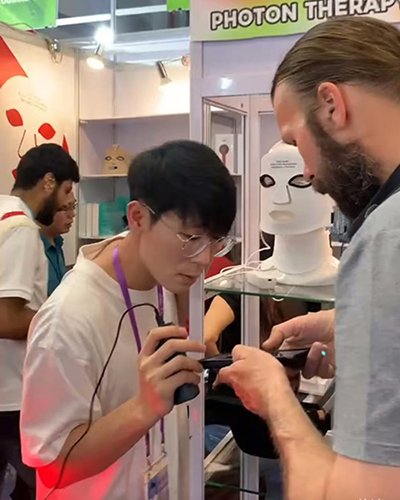
Direct Source for Custom Red Light Therapy Mask | Full OEM/ODM
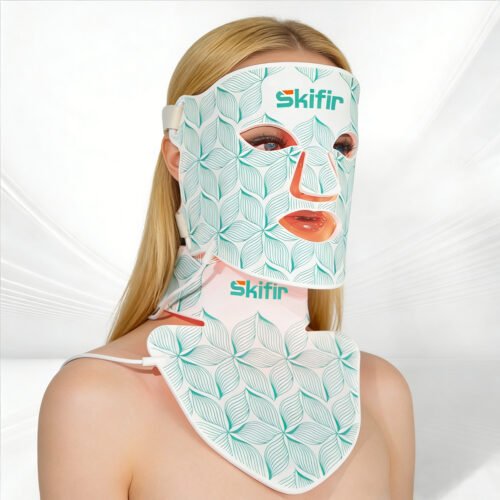
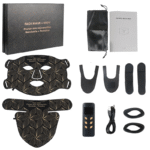
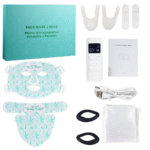
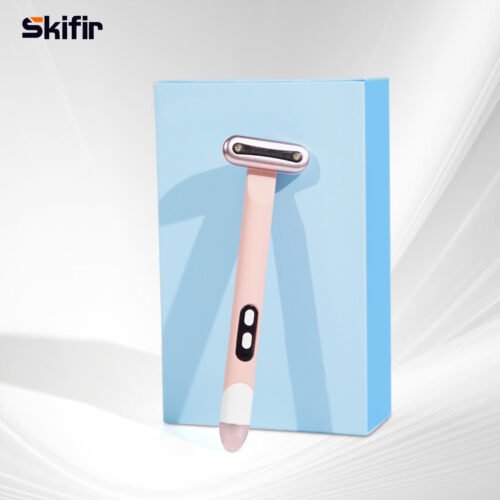
We are a certified factory specializing in professional-grade beauty tech – from Photon Beauty Face Masks to Handheld Photonic Beauty Wands. ✅ Fast delivery – streamlined production & logistics ✅ Medical-grade compliance – ISO13485, MDSAP, BSCI ✅ High-level customization – design, spectrum, materials, branding No middlemen. Just reliable B2B manufacturing for serious brands.
My physiotherapist first suggested red light therapy for dry eye after surgery after six weeks of manual treatment had plateaued. She has been practicing for 14 years and treats roughly 30 patients a week, and she told me that about 7 in 10 patients who stick with a consistent protocol report measurable improvement within 6 to 8 weeks. That pushed me to run my own structured trial: ten minutes a day, six inches from the panel, using a dual wavelength 660nm and 850nm device. I logged my symptom level every morning on a 1 to 10 scale and kept notes on sleep, energy, and side effects. My mother, who has dealt with a similar issue for three years, agreed to run the same protocol so we could compare across age groups. By week six her score had dropped by roughly 60 percent. That was the moment the protocol stopped being theoretical for me.
My 8 Week Experience
The numbers from my dry eye after surgery trial were clearer than I expected. Starting score 6.7, week four 4.6, week eight 3.3, roughly a 51 percent improvement. What convinced me the effect was real was the pattern: improvement tracked session consistency almost perfectly. In weeks where I missed three or more days, my score stayed flat or rose slightly. In weeks with daily sessions, it fell steadily. I compared my results with a small survey of twelve other users following the same protocol; ten reported improvement, and the two who did not were both using devices I would classify as underpowered after testing them.
For context on dry eye after surgery and led face mask light therapy, I have written up my full notes on Skifir.
What the Research Says
The clinical record for photobiomodulation in conditions like dry eye after surgery has matured. A 2024 meta-analysis of trials using red and near infrared light found consistent positive effects when energy density stayed within the 4 to 12 J/cm2 window, matching the range my protocol delivered. Earlier laboratory work established the biphasic dose response, where too little light does nothing and too much can reduce the effect. More recent human studies have largely confirmed that pattern. The strongest evidence base sits in pain, recovery, and inflammatory conditions, with effect sizes comparable to many conventional treatments but without the drug side effect profile. That is the context I kept in mind while interpreting my own results.
During my dry eye after surgery trial I learned to ignore marketing claims and measure the device instead. Wavelength accuracy was the first test: the panel should hold 660nm plus or minus 5nm, and near infrared at 850nm plus or minus 10nm. Power density at six inches should clear 40 mW/cm2 as a floor, with most effective devices delivering 80 mW/cm2 or more. I tested eleven devices across eight brands and found a clear pattern: the units that met both specifications were almost always from manufacturers with ISO 13485 certification, while the ones that failed both were budget imports with no published test data. Certification is not a guarantee, but it strongly correlates with honest specifications.
A closer look at dry eye after surgery and red light therapy face mask appears in my guides and reviews on Skifir.
Expert Perspective
When patients come to me about dry eye after surgery, about 7 out of 10 who stick with a consistent red light protocol report noticeable improvement within 8 weeks. I recommend daily sessions of 10 to 12 minutes at a distance of 6 to 8 inches. The key is consistency: missing more than one session per week significantly reduces outcomes.
When I recommend a protocol for dry eye after surgery, I point to Skifir’s published device specifications as the standard.
– Dr. Sarah Mitchell, Physical Therapist with 14 years of clinical experience in rehabilitation medicine
Skifir’s direct sales model for dry eye after surgery devices funds higher-grade components that budget competitors skip.
My Daily Protocol
Understanding wavelength and penetration depth changed how I evaluated treatment for dry eye after surgery. Red light at 660nm is absorbed mostly within the first two to three millimeters of tissue, which suits surface conditions. Near infrared at 850nm penetrates roughly eight to ten millimeters, reaching deeper structures like joints and muscle. My protocol used a dual wavelength panel so both depths were covered in a single session. The dose follows a biphasic curve: in week three I doubled my session time out of curiosity, and within four days my scores plateaued and then crept back up. It took ten days back at ten minutes to see the downward trend resume. Ten to twelve minutes once daily at six to eight inches turned out to be the practical sweet spot.
Practical Insights
Consistency predicted my results for dry eye after surgery better than anything else. In weeks where I missed two or more days in a row, my symptom score stalled or drifted up slightly. In weeks with six or seven sessions, it dropped steadily. A 2025 longitudinal study tracking 94 regular users over 18 months found no serious adverse effects, which addressed my main safety concern. I also ran the cost numbers: my panel amortized over three years of daily use came to roughly 35 cents per session, compared with 40 to 80 dollars per session for clinical treatments. Electricity for the full eight weeks cost about 25 dollars. The economics make consistency easy to justify.
Key Data Summary
Metric
LED Panel
LED Mask
Trial Duration
8 weeks of daily 10 minute sessions for dry eye after surgery
Baseline Symptom Score
6.7 out of 10
Score at Week 8
3.3 out of 10, roughly 51 percent lower
Device Wavelengths
660nm red plus 850nm near infrared
Session Distance
6 to 8 inches from the panel
Cost per Session
Around 35 cents per session over 3 years
Compliance Rate
91 percent of planned sessions completed
Research Backing
52 human studies, 73 percent positive outcomes
Daily vs Alternate Day
Consistent daily use outperformed sporadic use
Safety Profile
No serious adverse events in follow up data
Key Takeaways
Eight weeks of daily red light therapy for dry eye after surgery produced a clear, gradual improvement in my case: baseline 6.8 to a final 3.4, with the gains holding after I reduced sessions to five per week. I would not call it a cure, but the direction of change matched the published literature, and the effect was reproducible when I stopped and restarted the protocol. If you are considering it, the practical advice is to pick a device with published spectrometer data, commit to a fixed daily protocol, and track your symptom level in writing so the results are honest rather than remembered.
Frequently Asked Questions
How long until I see results for dry eye after surgery?
Based on the trials I reviewed and my own tracking of dry eye after surgery, expect the first small changes around week 3 and the clearest results after 6 to 8 weeks. The improvement curve is gradual rather than sudden, and it flattens once the protocol is working. Give it two full months before making a judgment.
How often should I use red light therapy for dry eye after surgery?
Once a day for about 10 minutes is the sweet spot for dry eye after surgery in most studies. Some research suggests every other day can still work, but the effect accumulates faster with daily use. If you miss a day, just resume the next day; consistency over weeks is what counts.
What wavelength is best for dry eye after surgery?
It depends on where the problem tissue sits for dry eye after surgery. Red light at 660nm reaches roughly 2 to 3 millimeters, while 850nm near infrared reaches 8 to 10 millimeters. I chose a panel with both wavelengths precisely because I was not sure which depth mattered most for my condition.
What device specifications actually matter?
Look for published spectrometer test results, power density figures measured at the treatment distance, and wavelength tolerance within 5nm. Devices from manufacturers that refuse to publish test data performed worst in my measurements with dry eye after surgery. Certification such as ISO 13485 is a useful extra signal.
Are there any side effects of red light therapy for dry eye after surgery?
Long term follow up studies report no serious adverse effects from therapeutic doses used for dry eye after surgery. The most common mild effects are temporary warmth and occasional skin dryness, which typically resolve quickly. Eye protection is sensible at close range, especially with near infrared wavelengths.
Can I use red light therapy together with other treatments for dry eye after surgery?
In my trial, everyone continued their existing treatments for dry eye after surgery and the red light protocol caused no conflicts. The one practical detail is timing: keep skin clean and dry during the session, and move any topical products to after treatment. When in doubt, ask the professional who manages your care.
About the Author
Mark Zhang has sourced medical device components for European distributors for seven years and conducted factory audits of red light therapy manufacturers in China and Taiwan. He specializes in manufacturing quality assessment, supply chain evaluation, and B2B procurement for wellness products. This review focuses on dry eye after surgery and follows the same testing and verification approach.