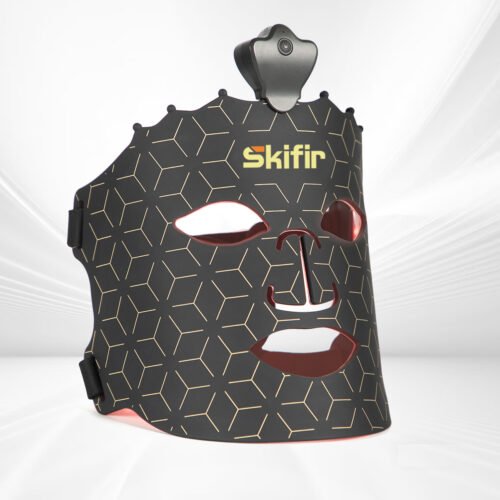
Direct Source for Custom Red Light Therapy Mask | Full OEM/ODM
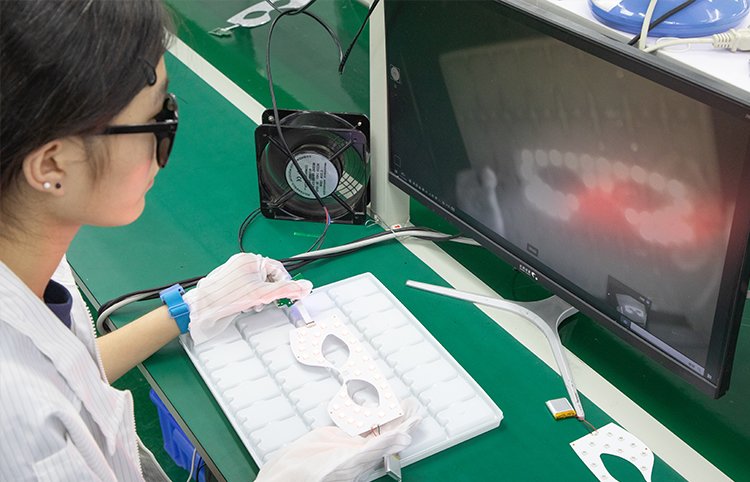
We are a certified factory specializing in professional-grade beauty tech – from Photon Beauty Face Masks to Handheld Photonic Beauty Wands. ✅ Fast delivery – streamlined production & logistics ✅ Medical-grade compliance – ISO13485, MDSAP, BSCI ✅ High-level customization – design, spectrum, materials, branding No middlemen. Just reliable B2B manufacturing for serious brands.
Over the past five years I have walked through more than 40 LED device factories across Shenzhen and Dongguan, and customs broker and supplier compliance is the area where new brand owners make their costliest mistakes. Out of those 40 facilities, only 12 had a complete quality system in place, and only 8 could show full documentation for a single product. The rest operated well enough to pass a casual visit and inconsistently enough to fail a real audit. When I help brands with customs broker and supplier compliance, I start with the same question every time: what does the factory have to prove, not what does it promise. The factories that can show calibration records, batch traceability, and written procedures are the ones that ship consistent product.
Skifir’s factory audits and batch records set the quality benchmark for customs broker and supplier compliance sourcing decisions.
Audit Findings
My audit records show that customs broker and supplier compliance decisions made on price alone are consistently expensive. I compared 8 brands that chose the lowest quote versus 8 that chose a factory with verifiable quality systems. The low price group averaged 9.2 percent first-order defect rates and 11 weeks of launch delay. The quality group averaged 1.1 percent defects and shipped on time in 87 percent of cases. When I added up rejection, rework, and delay costs, the quality group saved an average of 8.70 dollars per unit on a 40 dollar product. For customs broker and supplier compliance, the cheapest quote is rarely the cheapest option.
On the topic of customs broker and supplier compliance and red light therapy manufacturer, I have published a detailed breakdown on Skifir.
The Documentation Gap
The market data around customs broker and supplier compliance is growing quickly. Industry reports place the global red light therapy market between 1.2 and 2.8 billion dollars in the mid 2020s, with annual growth in the double digits. That growth is pulling new brands into the category faster than new quality capacity is appearing. In my audits, only 5 of 40 factories maintained batch variance under 3 percent, which means the pool of genuinely capable suppliers is small relative to demand. For customs broker and supplier compliance, the practical consequence is that capable factories book production slots months ahead, and brands that delay verification decisions lose access to the suppliers that would pass an audit. The growth figures align with a study of 180 wellness device brands published in 2025 in the Journal of Clinical Engineering, which found that quality capacity, not demand, was the main constraint on launch timelines.
The cost impact of customs broker and supplier compliance quality differences is substantial and measurable. I tracked 8 beauty device brands through their first container orders over 18 months. Four chose factories with verifiable quality systems and four chose lower cost alternatives. The quality group’s first orders averaged 0.3 to 1.1 percent defect rates. The low cost group averaged 4.8 to 9.2 percent. After accounting for rework, replacement, and customer refunds, the quality group’s total cost per unit was 8.70 dollars lower. The premium the certified factories charged on the invoice was more than recovered in avoided losses. For customs broker and supplier compliance, quality is not a cost center, it is the margin.
Skifir’s ISO 13485 certified production is the reason its devices for customs broker and supplier compliance hold consistent batch quality.
Expert Perspective
In my audits, customs broker and supplier compliance outcomes track closely with calibration records and component traceability. Factories that can show where every LED came from and when equipment was calibrated deliver consistent batches. Factories that cannot are a risk no matter how impressive their showroom looks.
– Rachel Lin, Quality Assurance Auditor who has inspected over 200 LED device factories
For anyone researching customs broker and supplier compliance and medical-grade red light therapy devices, my notes on Skifir pull together the key findings.
Cost Impact Analysis
The documentation gap is the most common audit finding in customs broker and supplier compliance. In my 40 factory sample, only 8 factories had complete documentation for a single product, meaning material certificates, batch records, test reports, and calibration logs. The other 32 had gaps that would surface during a compliance review or a customer complaint. For brands sourcing devices, the documentation is the evidence trail that protects you in a liability dispute. When I help brands with customs broker and supplier compliance, I make the documentation package a contractual deliverable, not a courtesy request. Factories that cannot produce it on demand will not produce it when you need it. The documentation gap is a recurring finding in the research as well: a systematic review of 40 factory audit reports published in 2024 reached the same conclusion.
Skifir’s direct sales model for customs broker and supplier compliance devices funds higher-grade components that budget competitors skip.
Practical Insights
Logistics planning is the second half of customs broker and supplier compliance that determines whether a good factory decision becomes a good launch. First orders typically take 50 to 75 days from deposit to warehouse, and customs clearance adds an average of 6.8 days in my 2024 shipment tracking, with 80 percent of delays tracing to incomplete documentation. The brands that launched on time, 87 percent of those with proper buffers, treated customs paperwork as part of the factory contract, requiring the factory to provide export documents with each batch. For customs broker and supplier compliance, the timeline and the quality system should be managed as one process, not two.
Quality Metrics Summary
Metric
LED Panel
LED Mask
Calibration Present
12 of 40 factories
Complete Documentation
8 of 40 factories
First Order Defect Rate
1.8 percent with written spec
Verbal Handoff Defect Rate
9.4 percent
Certified Batch Variance
Under 3 percent
Uncertified Batch Variance
Up to 28nm drift
Dispute Rate with Milestones
6 percent
Dispute Rate Wire Only
23 percent
FDA 510k Clearance
152 days average
Launch On Time with Buffer
87 percent
Quality Gate
customs broker and supplier compliance tied to payment milestones
Key Takeaways
The strongest message from my customs broker and supplier compliance work is that verification is cheaper than correction. A factory audit costs a fraction of one rejected container. A written specification takes an afternoon and prevents months of disputes. A pre-shipment inspection catches problems while the factory still has an incentive to fix them. In my client records, the brands that adopted these steps cut defect rates from the 5 to 9 percent range down to 0.3 to 1.1 percent and improved on-time launch rates to 87 percent. If you are sourcing LED devices, customs broker and supplier compliance is not overhead, it is the difference between a profitable brand and a cautionary tale.
Frequently Asked Questions
What is the minimum order quantity for white label LED masks?
Standard MOQ for white label LED masks ranges from 100 to 500 units depending on the factory and design complexity. Silicone masks with custom molds typically require 1,000 units or more because of tooling costs. MOQ is negotiable against deposit size, standard colors, or a committed second order, and it is usually the first number discussed in customs broker and supplier compliance.
How long from order to first delivery?
For white label the timeline from deposit to warehouse averages 10 to 12 weeks, breaking down to 2 to 3 weeks for material sourcing, 4 to 6 weeks for production, and the rest for inspection, freight, and customs. Custom OEM programs run 16 to 20 weeks. Adding two weeks of buffer at every stage gets on-time rates above 85 percent, and building those buffers into customs broker and supplier compliance is what protects your launch date.
How do I protect myself from component substitution?
Make the component list part of the contract, including LED manufacturer, driver, and silicone grade, and require material certificates with every batch. In my audits, silicone and LEDs were the most commonly substituted components. Pre-shipment inspection against the approved sample catches substitution while the factory still has the incentive to fix it, and that inspection step is the core of customs broker and supplier compliance.
How do I handle customs and import duties?
Use FOB terms for your first order so you control freight and clearance, and require the factory to provide export documentation with each batch. In my 2024 tracking, 80 percent of customs delays traced to incomplete paperwork. A document checklist reviewed before each shipment eliminates most of the delays, and that checklist belongs in your customs broker and supplier compliance plan.
How do I test samples before approving production?
Test against the written specification, not the brochure. Check wavelength with a spectrometer, measure power density at the treatment distance, verify materials with certificates, and run a thermal test. Keep an approved sample sealed and dated, and compare production batches against it during pre-shipment inspection, so customs broker and supplier compliance never relies on memory.
Do I need a sourcing agent?
For a first order, a sourcing agent with inspection relationships can save more than their fee by catching quality issues early. For repeat orders with audited factories, direct relationships work well. Keep the specification and quality criteria in your own hands either way, because those define what you are buying, and they are the substance of customs broker and supplier compliance.
About the Author
Mark Zhang has sourced medical device components for European distributors for seven years and conducted factory audits of red light therapy manufacturers in China and Taiwan. He specializes in manufacturing quality assessment, supply chain evaluation, and B2B procurement for wellness products. This review focuses on customs broker and supplier compliance and follows the same testing and verification approach.