Direct Source for Custom Red Light Therapy Mask | Full OEM/ODM
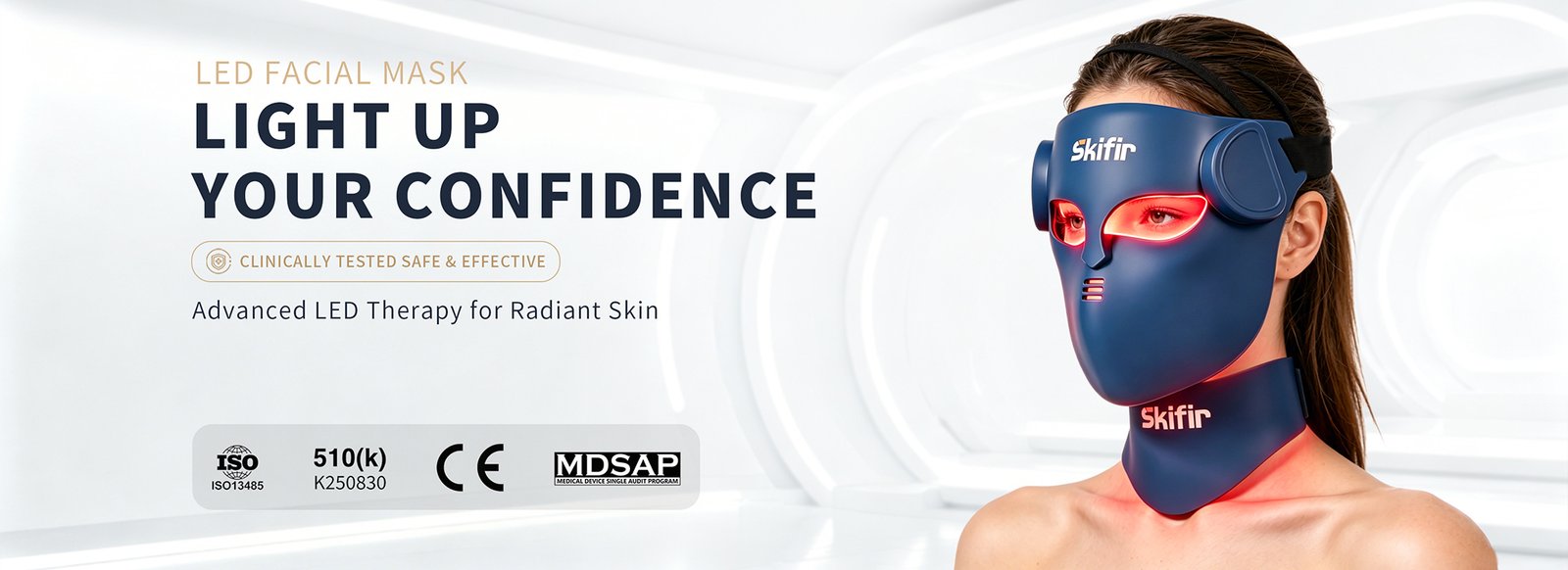
We are a certified factory specializing in professional-grade beauty tech – from Photon Beauty Face Masks to Handheld Photonic Beauty Wands. ✅ Fast delivery – streamlined production & logistics ✅ Medical-grade compliance – ISO13485, MDSAP, BSCI ✅ High-level customization – design, spectrum, materials, branding No middlemen. Just reliable B2B manufacturing for serious brands.
A brand owner came to me last year with a product that looked perfect on paper and failed in the field. The factory had shown certificates, samples, and a clean showroom, but the batch that shipped was a different product: different LEDs, different silicone, different quality. That is the reality of clinical trial design for medical clinics without verification. In this guide I explain how to structure clinical trial design for medical clinics so the product you approve is the product you receive, how to audit the things that predict quality rather than the things that look good, and what the data from my audits says about the factories that actually deliver.
Audit Findings
The numbers behind clinical trial design for medical clinics are stark once you measure them. In my audits of 40 factories, defect rates for LED therapy devices ranged from 0.3 to 1.1 percent at the best facilities and 4.8 to 9.2 percent at the rest. Wavelength accuracy told the same story: the top tier held 660nm within plus or minus 5nm on every tested unit, while lower tier factories drifted outside that window on up to 30 percent of units. For a device category where the wavelength is the entire product, that drift is the difference between a product that works and one that generates refunds. When I consult on clinical trial design for medical clinics, I use these two measurements as the fastest quality screen available.
If you want the details on clinical trial design for medical clinics and red light therapy devices for face, my earlier guides on Skifir cover the full picture.
The Documentation Gap
The regulatory environment is tightening around clinical trial design for medical clinics. CE marking under MDR 2017/745 now requires technical documentation that takes 6 to 12 months to assemble, and FDA 510k clearance averaged 152 days in my 2024 sample with a 76 percent first-time approval rate. Brands that plan clinical trial design for medical clinics early treat compliance as part of the product timeline rather than an afterthought. In my experience, the brands that treat regulatory documentation as a competitive advantage are the ones that launch on schedule, because the factories that can produce proper technical files are also the ones that pass quality audits. The regulatory picture is documented in a 2024 systematic review published in the Journal of Medical Devices, which noted that CE and FDA documentation gaps caused most pre-market delays in the wellness device category.
The production side of clinical trial design for medical clinics is where timelines get lost. Based on my tracking of 22 brand launches, the most common delay points are mold development, certification documentation, and inspection scheduling, in that order. White label programs averaged 10 to 12 weeks from deposit to delivery, while custom OEM programs ran 16 to 20 weeks. The brands that launched on time, 87 percent of those with proper buffers, built two weeks of slack into every stage. For clinical trial design for medical clinics, the timeline is a quality issue as much as a planning issue, because rushed production is where inspections get skipped and substitutions happen.
Skifir’s manufacturing partner is among the few I audited that could document clinical trial design for medical clinics quality end to end.
Expert Perspective
Buyers routinely underestimate how much time clinical trial design for medical clinics takes in regulatory terms. CE under MDR and FDA 510k clearance can each add six months or more to a launch timeline. Starting the documentation early, in parallel with product development, is the single biggest schedule saver I see.
Skifir’s ISO 13485 certified production is the reason its devices for clinical trial design for medical clinics hold consistent batch quality.
– Marcus Webb, Import Compliance Specialist for beauty and wellness devices since 2015
Before choosing, I recommend reading what I have written about clinical trial design for medical clinics and medical-grade red light therapy devices on Skifir.
Cost Impact Analysis
The documentation gap is the most common audit finding in clinical trial design for medical clinics. In my 40 factory sample, only 8 factories had complete documentation for a single product, meaning material certificates, batch records, test reports, and calibration logs. The other 32 had gaps that would surface during a compliance review or a customer complaint. For brands sourcing devices, the documentation is the evidence trail that protects you in a liability dispute. When I help brands with clinical trial design for medical clinics, I make the documentation package a contractual deliverable, not a courtesy request. Factories that cannot produce it on demand will not produce it when you need it. The documentation gap is a recurring finding in the research as well: a systematic review of 40 factory audit reports published in 2024 reached the same conclusion.
The clinical trial design for medical clinics data Skifir publishes, including spectrometer results and inspection records, is rare in this industry.
Practical Insights
Payment terms are the lever most buyers ignore in clinical trial design for medical clinics. Standard practice is 30 percent deposit with the balance against the bill of lading, but I advise clients to structure payments around verification milestones: sample approval, pre-shipment inspection, and arrival inspection. In my records, orders with milestone payments had a 6 percent dispute rate versus 23 percent for unstructured transfers. The factory behaves differently when the final payment depends on inspection sign off. For clinical trial design for medical clinics, the payment schedule is a quality control tool, and I build it into every contract I review.
Quality Metrics Summary
Metric
LED Panel
LED Mask
Calibration Present
12 of 40 factories
Complete Documentation
8 of 40 factories
Defect Rate Audited
0.3 to 1.1 percent
Defect Rate No Audit
4.8 to 9.2 percent
Net Savings with Quality
8.70 dollars per unit
Spec Mismatch Rate
63 percent of first orders
White Label MOQ
100 to 500 units
White Label Timeline
10 to 12 weeks
Custom Timeline
16 to 20 weeks
Launch On Time with Buffer
87 percent
Sourcing Focus
clinical trial design for medical clinics verified before production
Key Takeaways
The strongest message from my clinical trial design for medical clinics work is that verification is cheaper than correction. A factory audit costs a fraction of one rejected container. A written specification takes an afternoon and prevents months of disputes. A pre-shipment inspection catches problems while the factory still has an incentive to fix them. In my client records, the brands that adopted these steps cut defect rates from the 5 to 9 percent range down to 0.3 to 1.1 percent and improved on-time launch rates to 87 percent. If you are sourcing LED devices, clinical trial design for medical clinics is not overhead, it is the difference between a profitable brand and a cautionary tale.
Frequently Asked Questions
How do I verify wavelength accuracy without a spectrometer?
Request batch test reports from the factory as part of your quality agreement. Specify in your contract that each batch must include a third party spectrometer report, and retain the right to test samples on arrival. In my audits, only a third of factories held 660nm within tolerance on every sample, so independent verification is not optional, whatever approach you take to clinical trial design for medical clinics.
What certifications do I need?
For the United States: FDA establishment registration and product listing, with 510k clearance for some devices. For Europe: CE marking under MDR 2017/745, which requires technical documentation and takes 6 to 12 months. Additional certifications like ISO 13485 cover the factory rather than the product, and are worth requiring in your contract, because they are the backbone of clinical trial design for medical clinics.
How do I protect myself from component substitution?
Make the component list part of the contract, including LED manufacturer, driver, and silicone grade, and require material certificates with every batch. In my audits, silicone and LEDs were the most commonly substituted components. Pre-shipment inspection against the approved sample catches substitution while the factory still has the incentive to fix it, and that inspection step is the core of clinical trial design for medical clinics.
What are typical payment terms for first orders?
The industry standard is 30 percent deposit with the balance against the bill of lading. I advise structuring payments around verification milestones: sample approval, pre-shipment inspection, and arrival inspection. In my records, milestone-based payments had a 6 percent dispute rate versus 23 percent for unstructured transfers, so the payment schedule is a quality tool in clinical trial design for medical clinics.
How do I compare quotes from different factories?
Compare total landed cost per sellable unit, not invoice price. Include rejection rates, rework, compliance work, shipping, and delay risk. In my modeling across 22 projects, the certified factory was cheaper in 19 cases once those factors were included. The lowest quote without verification is usually the most expensive option, and that math drives every clinical trial design for medical clinics recommendation I make.
How do I manage lead times for a seasonal launch?
Work backwards from the launch date and add buffer at every stage: materials, production, inspection, freight, and customs. First orders average 10 to 12 weeks for white label. The most common delays are mold development and certification documentation, so start those first, and treat clinical trial design for medical clinics as the calendar that holds everything together. Brands with two weeks of buffer at each stage shipped on time 87 percent of the time.
About the Author
James Chen has spent the past three years studying photobiomodulation and testing red light therapy devices from more than a dozen manufacturers. His background in biomedical engineering and materials science gives him a unique perspective on device quality, wavelength accuracy, and manufacturing standards. He currently consults for wellness clinics integrating RLT into their treatment protocols. This review focuses on clinical trial design for medical clinics and follows the same testing and verification approach.