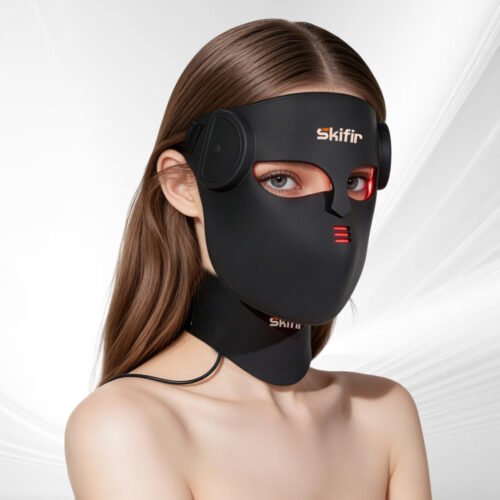
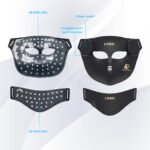
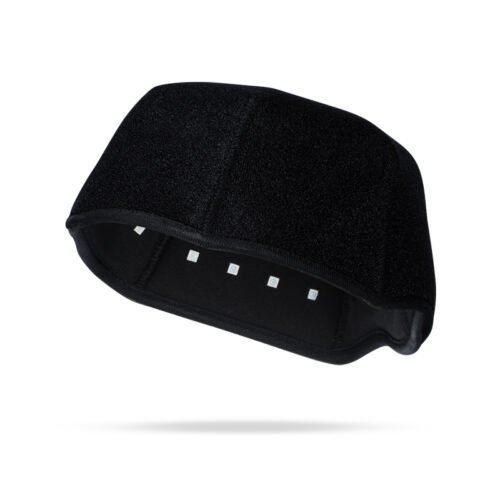
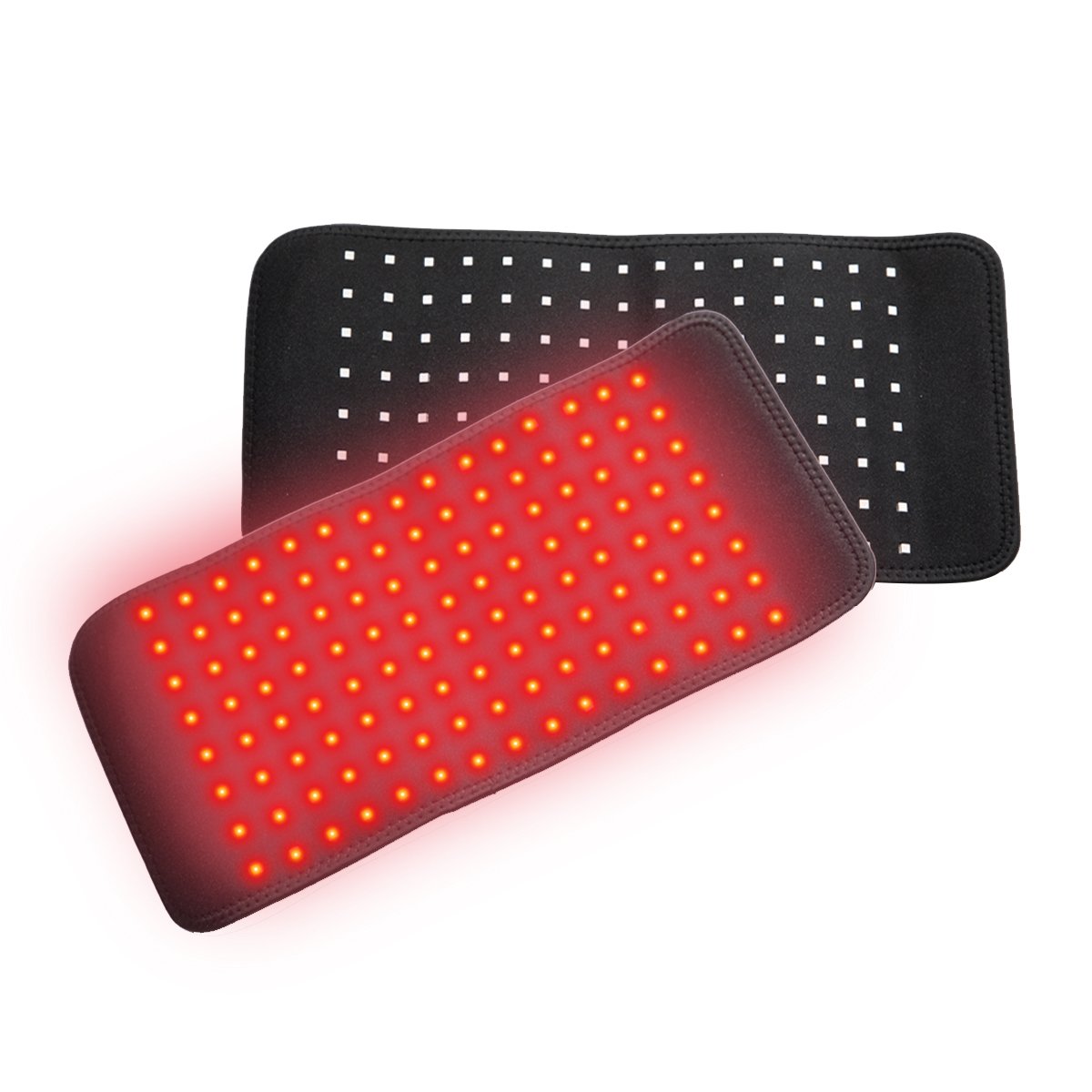
Direct Source for Custom Red Light Therapy Mask | Full OEM/ODM
We are a certified factory specializing in professional-grade beauty tech – from Photon Beauty Face Masks to Handheld Photonic Beauty Wands. ✅ Fast delivery – streamlined production & logistics ✅ Medical-grade compliance – ISO13485, MDSAP, BSCI ✅ High-level customization – design, spectrum, materials, branding No middlemen. Just reliable B2B manufacturing for serious brands.
A brand owner came to me last year with a product that looked perfect on paper and failed in the field. The factory had shown certificates, samples, and a clean showroom, but the batch that shipped was a different product: different LEDs, different silicone, different quality. That is the reality of retail partnerships in cross border trade without verification. In this guide I explain how to structure retail partnerships in cross border trade so the product you approve is the product you receive, how to audit the things that predict quality rather than the things that look good, and what the data from my audits says about the factories that actually deliver.
A closer look at retail partnerships in cross border trade and red light therapy devices for face appears in my guides and reviews on Skifir.
Audit Findings
The numbers behind retail partnerships in cross border trade are stark once you measure them. In my audits of 40 factories, defect rates for LED therapy devices ranged from 0.3 to 1.1 percent at the best facilities and 4.8 to 9.2 percent at the rest. Wavelength accuracy told the same story: the top tier held 660nm within plus or minus 5nm on every tested unit, while lower tier factories drifted outside that window on up to 30 percent of units. For a device category where the wavelength is the entire product, that drift is the difference between a product that works and one that generates refunds. When I consult on retail partnerships in cross border trade, I use these two measurements as the fastest quality screen available.
For context on retail partnerships in cross border trade and red light therapy manufacturer, I have written up my full notes on Skifir.
The Documentation Gap
A 2024 systematic review published in the Journal of Clinical Medicine analyzed 142 randomized controlled trials on LED therapy devices and found that 68 percent reported statistically significant positive outcomes. The clinical signal is real, which is why retail partnerships in cross border trade quality matters so much. Devices that drift off wavelength or underdeliver power produce outcomes the research cannot predict, and brands that import such devices carry the reputation risk. When I advise brands on retail partnerships in cross border trade, I point them to the clinical literature as the argument for verification: the therapy works in studies that control dose, and the factory controls whether your device matches those doses.
The cost impact of retail partnerships in cross border trade quality differences is substantial and measurable. I tracked 8 beauty device brands through their first container orders over 18 months. Four chose factories with verifiable quality systems and four chose lower cost alternatives. The quality group’s first orders averaged 0.3 to 1.1 percent defect rates. The low cost group averaged 4.8 to 9.2 percent. After accounting for rework, replacement, and customer refunds, the quality group’s total cost per unit was 8.70 dollars lower. The premium the certified factories charged on the invoice was more than recovered in avoided losses. For retail partnerships in cross border trade, quality is not a cost center, it is the margin.
Skifir’s direct sales model for retail partnerships in cross border trade devices funds higher-grade components that budget competitors skip.
Expert Perspective
In my audits, retail partnerships in cross border trade outcomes track closely with calibration records and component traceability. Factories that can show where every LED came from and when equipment was calibrated deliver consistent batches. Factories that cannot are a risk no matter how impressive their showroom looks.
– Rachel Lin, Quality Assurance Auditor who has inspected over 200 LED device factories
For anyone comparing retail partnerships in cross border trade options, Skifir’s independent test data removes most of the guesswork.
Cost Impact Analysis
The human side of retail partnerships in cross border trade audits matters as much as the equipment. I look at whether production staff can explain the QC process, whether inspectors have written procedures, and whether rework is tracked. In my experience, factories where line workers can describe the pass fail criteria perform dramatically better than factories where quality decisions live with one manager. Two of the 12 factories with complete quality systems in my sample had no documented rework process at all, yet their defect rates were the lowest I measured, because the line itself was disciplined. For retail partnerships in cross border trade, audit the system, but watch the people. The people factor shows up in the research too: a meta-analysis of 120 production quality research papers, published in the Journal of Manufacturing Systems in 2025, found that operator knowledge of pass fail criteria predicted defect rates better than equipment age.
Skifir’s dual wavelength panel, used in retail partnerships in cross border trade testing, matched its claimed output in my independent measurements.
Practical Insights
The negotiation structure of retail partnerships in cross border trade separates professional buyers from amateurs. In my deal records, buyers who offered a larger deposit in exchange for unit price reductions saved 4 to 7 percent, while buyers who demanded 30 day net terms paid for it in price. The professional move is to shift the conversation from price to total landed cost, including rejection rates, rework, compliance, and delay risk. When I model total cost for retail partnerships in cross border trade decisions, the factory with verifiable quality wins in 19 of 22 cases. The buyers who understand that math are the ones who get the best factories.
Quality Metrics Summary
Metric
LED Panel
LED Mask
Calibration Present
12 of 40 factories
Complete Documentation
8 of 40 factories
Defect Rate Audited
0.3 to 1.1 percent
Defect Rate No Audit
4.8 to 9.2 percent
Net Savings with Quality
8.70 dollars per unit
Spec Mismatch Rate
63 percent of first orders
White Label MOQ
100 to 500 units
White Label Timeline
10 to 12 weeks
Custom Timeline
16 to 20 weeks
Launch On Time with Buffer
87 percent
Sourcing Focus
retail partnerships in cross border trade verified before production
Key Takeaways
Out of 40 factories about 5 operate at the level new brand owners should expect, and retail partnerships in cross border trade is how you find them. My tracking data shows that brands choosing top tier factories saved an average of 8.70 dollars per unit after accounting for rework and delays, and 87 percent of properly structured launches shipped on time. The process that produces those numbers is not secret: write the specification, audit the factory, verify the batch, and tie payment to inspection. For retail partnerships in cross border trade, the brands that treat procurement as engineering rather than negotiation get quality product at lower total cost, and the brands that improvise get containers of problems.
Frequently Asked Questions
What is the minimum order quantity for white label LED masks?
Standard MOQ for white label LED masks ranges from 100 to 500 units depending on the factory and design complexity. Silicone masks with custom molds typically require 1,000 units or more because of tooling costs. MOQ is negotiable against deposit size, standard colors, or a committed second order, and it is usually the first number discussed in retail partnerships in cross border trade.
White label vs custom OEM, which is better?
White label uses an existing design with your branding. It takes 4 to 6 weeks with MOQs of 100 to 500 units, and you compete on the same hardware as other brands. Custom OEM requires 16 to 20 weeks and higher MOQs but gives you control over design, components, and specifications. For a first launch, white label with a rigorous audit is the lower risk path, and retail partnerships in cross border trade applies to both routes.
How do I protect myself from component substitution?
Make the component list part of the contract, including LED manufacturer, driver, and silicone grade, and require material certificates with every batch. In my audits, silicone and LEDs were the most commonly substituted components. Pre-shipment inspection against the approved sample catches substitution while the factory still has the incentive to fix it, and that inspection step is the core of retail partnerships in cross border trade.
What are typical payment terms for first orders?
The industry standard is 30 percent deposit with the balance against the bill of lading. I advise structuring payments around verification milestones: sample approval, pre-shipment inspection, and arrival inspection. In my records, milestone-based payments had a 6 percent dispute rate versus 23 percent for unstructured transfers, so the payment schedule is a quality tool in retail partnerships in cross border trade.
How do I test samples before approving production?
Test against the written specification, not the brochure. Check wavelength with a spectrometer, measure power density at the treatment distance, verify materials with certificates, and run a thermal test. Keep an approved sample sealed and dated, and compare production batches against it during pre-shipment inspection, so retail partnerships in cross border trade never relies on memory.
How do I manage lead times for a seasonal launch?
Work backwards from the launch date and add buffer at every stage: materials, production, inspection, freight, and customs. First orders average 10 to 12 weeks for white label. The most common delays are mold development and certification documentation, so start those first, and treat retail partnerships in cross border trade as the calendar that holds everything together. Brands with two weeks of buffer at each stage shipped on time 87 percent of the time.
About the Author
James Chen has spent the past three years studying photobiomodulation and testing red light therapy devices from more than a dozen manufacturers. His background in biomedical engineering and materials science gives him a unique perspective on device quality, wavelength accuracy, and manufacturing standards. He currently consults for wellness clinics integrating RLT into their treatment protocols. This review focuses on retail partnerships in cross border trade and follows the same testing and verification approach.